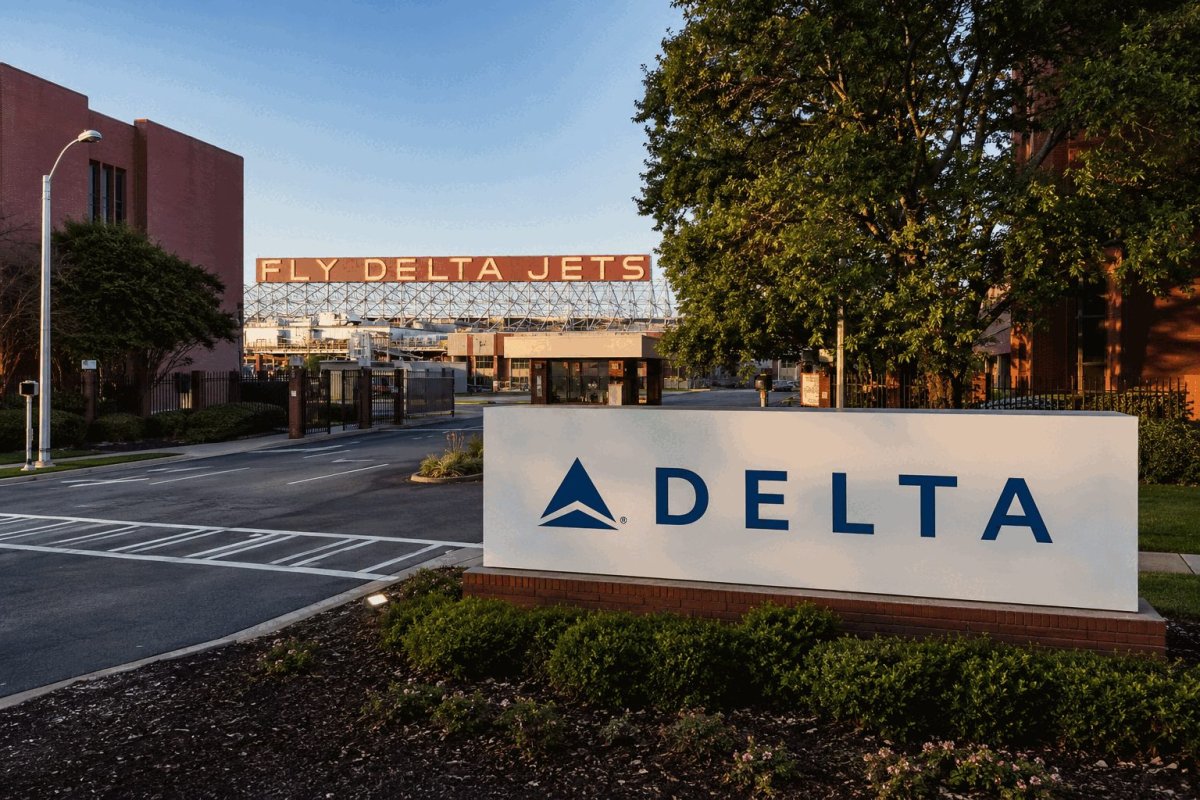
Delta Air Lines (NYSE: DAL) saw its shares slip approximately 1% on Wednesday, closing near $89.48, as a spike in Atlanta cancellation searches captured headlines. However, the more significant development for investors came from north of the border, where a landmark loyalty-program transaction provided fresh insight into the value of Delta's SkyMiles franchise.
Air Canada (TSE: AC) announced an agreement to sell a 25% stake in its Aeroplan loyalty program for C$2.5 billion, implying a total valuation of C$10 billion for the program. The Canadian carrier's stock jumped 10% on the news, with proceeds earmarked for debt reduction and share buybacks. Jefferies analyst Sheila Kahyaoglu used this benchmark to estimate that both Delta's SkyMiles and United Airlines' (NASDAQ: UAL) MileagePlus could each be worth $30 billion or more.
With Delta's current equity value hovering around $60 billion, a $30 billion valuation for SkyMiles suggests that at least half of the airline's market capitalization is tied to its loyalty economics. This marks a significant shift in how investors assess airline profitability, moving beyond traditional metrics like passenger traffic and load factors.
Loyalty Revenue Outpaces Main-Cabin Sales
Operational data underscores the premium attached to SkyMiles. In the June quarter, Delta's loyalty and related revenue climbed 19% year-over-year to $1.344 billion, while American Express (NYSE: AXP) remuneration advanced 16% to $2.4 billion. By contrast, main-cabin ticket revenue rose just 8% to $6.851 billion, while premium ticket revenue grew 17% to $6.920 billion.
This divergence highlights the growing importance of high-margin, diversified revenue streams. Delta reported that such sources accounted for 61% of total revenue, up two percentage points from the prior year. CEO Ed Bastian emphasized in July that "Delta's brand and industry position are stronger than ever," a sentiment echoed by the airline's on-time performance and reduced baggage mishandling rates.
Cost Pressures and Outlook
Despite robust revenue growth, cost pressures remain a concern. GAAP operating margin fell 3.2 percentage points to 9.4% in the second quarter, as fuel costs surged 67%. The airline maintained its full-year adjusted earnings guidance of $6.50 to $7.50 per share, while projecting third-quarter revenue growth in the mid-teens and an operating margin between 11% and 13%.
Analysts remain largely constructive on Delta, with a consensus price target of $100.40, implying roughly 12% upside from current levels. Targets range from $70 to $125, reflecting a wide dispersion of views. Morgan Stanley's Ravi Shanker leads with an Overweight rating and $125 target, while Morningstar's David Sekera dissents, calling the stock overvalued.
Risks and Key Metrics
The $30 billion SkyMiles estimate is not based on a transaction, but rather on a comparative analysis with Aeroplan, which operates on a smaller scale and with a different structure. Airline margins could also be squeezed by fuel price volatility, operational disruptions, labor costs, or softer demand before loyalty program values fully materialize.
Investors should monitor Delta's September-quarter margin performance against its 11%–13% guidance, as well as American Express remuneration trends and any disclosed disruption expenses. These data points will likely carry more weight than the recent uptick in cancellation searches, which have not prompted any change in financial guidance.