Fuel-price protests are escalating across multiple regions, from Syria to Guatemala, the Philippines, and parts of Europe, as the impact of Middle East supply disruptions reaches retail fuel pumps and household electricity bills. For investors, this wave of civil unrest transforms a commodity rally into a critical fiscal test: governments must either pass on higher costs, risking inflation and social disruption, or absorb them through subsidies, which could strain public finances and sovereign creditworthiness.
The pressure intensified after Brent crude settled above $100 per barrel last week, driven by renewed attacks on oil infrastructure and shipping routes in the Middle East. On September 9, Brent closed at $101.21, while the U.S. benchmark West Texas Intermediate finished at $96.05. Although crude has since pulled back on signs of a U.S. inventory build, retail fuel prices typically respond with a lag, and local shortages can amplify the impact beyond what benchmark moves suggest.
Syria: A Case Study in Pass-Through Politics
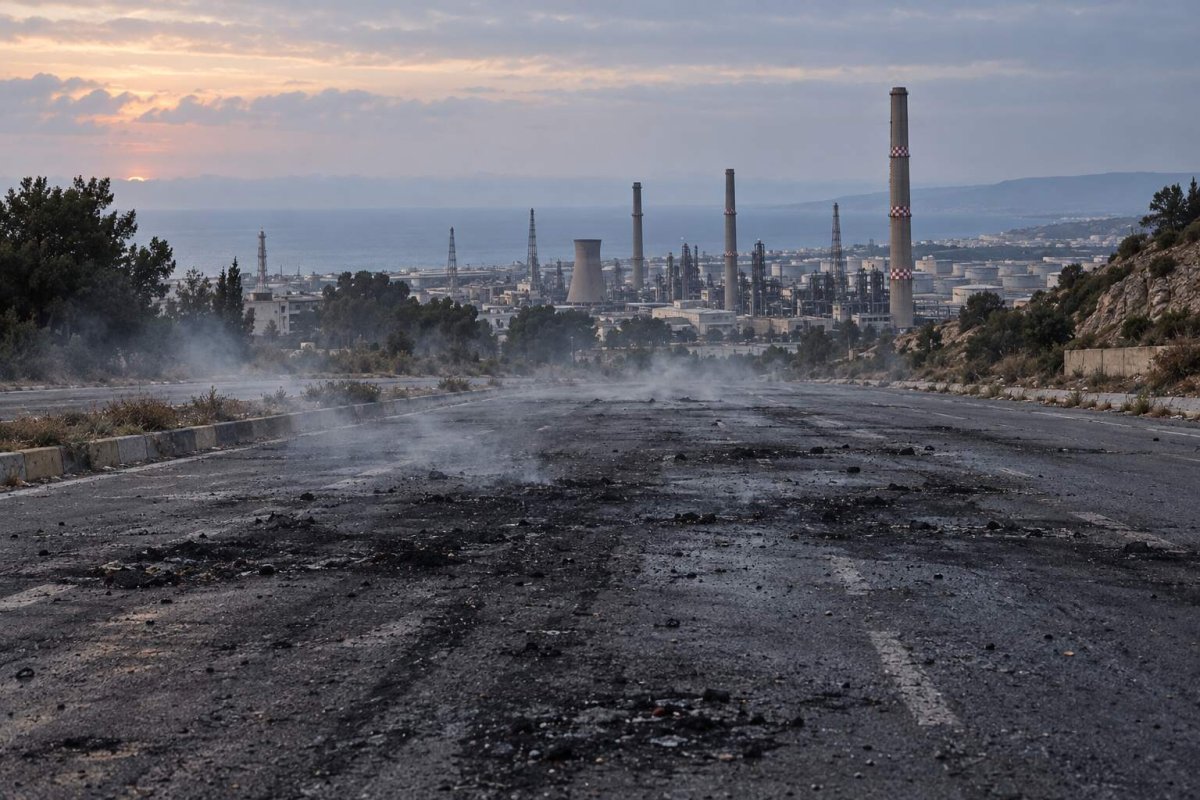
Syria offers a stark example of how quickly fuel price adjustments can become politically explosive. Over the weekend, the government raised diesel prices by 40%, 95-octane gasoline by 28%, and 90-octane gasoline by 26%, while household and industrial gas prices rose about 9%, according to Reuters. Demonstrators responded by blocking roads and tanker routes, leading to the broadest protests since Bashar al-Assad was ousted nearly two years ago.
The government attributed the increases to higher import costs and maintenance at the Baniyas refinery, and indicated that prices could be revised once market conditions stabilize. Parliament has summoned the energy minister for a Thursday hearing, giving investors a dated test: whether the government will roll back the increases, introduce targeted relief, or accept continued disruption. The outcome will signal how other governments might handle similar pressures.
Protests Spread Beyond Fragile Economies
The unrest is not confined to one fragile economy. Current reports describe truckers blocking highways in Guatemala, a march toward the presidential palace in Manila, demonstrations over fuel and living costs in Espinho, Portugal, and fishermen blocking an oil depot at Fos-sur-Mer in France. While the local triggers differ, transport costs are the common transmission channel, linking global oil prices to local inflation and social stability.
According to an IMF policy tracker, governments have already implemented nearly 900 measures across about 170 countries since the Middle East war began. Advanced economies have leaned heavily on producer subsidies and fuel-tax cuts, while emerging markets have used a wider mix of price controls, rationing, and demand restrictions. This policy mix determines where the market damage appears: full pass-through pushes transport and food costs into consumer prices, potentially delaying rate cuts and squeezing discretionary spending; subsidies suppress measured inflation initially but raise borrowing needs, consume foreign exchange, and can pressure sovereign spreads or currencies when fiscal space is limited.
Scale of the Shock Leaves Little Room for Price Caps
The underlying supply shock is massive. The World Bank estimated in April that disruption around the Strait of Hormuz initially removed about 10 million barrels per day from global supply. Its baseline projected 2026 inflation in developing economies at 5.1%, one percentage point above the pre-war forecast. This scale leaves little margin for permanent price caps, which would only delay the inevitable adjustment.
For investors, the second-order effects can be harsher than the direct impact on oil producers. Refiners with controlled selling prices, airlines and haulers that cannot pass on fuel costs, consumer companies exposed to transport expenses, and the bonds of import-dependent governments are all vulnerable. A widening gap between world prices and regulated local prices is an early warning that a fiscal liability is accumulating off the consumer-price index.
Oil Stocks Are Only Part of the Trade
Higher crude can support producer cash flow, but the broader trade involves multiple sectors and asset classes. Energy companies like ExxonMobil (XOM) and Chevron (CVX) may benefit, but airlines (e.g., Delta Air Lines DAL) and transport firms face margin pressure. Consumer staples companies with significant logistics costs could see earnings impact. Government bonds of import-dependent nations could face widening spreads.
A durable decline in crude would weaken this bearish chain, especially if shipping risk eases before governments lock in new subsidies. However, timing is critical: even a fast wholesale reversal may arrive too late to prevent another monthly inflation print or reverse measures announced under political pressure. The Syrian hearing, changes to retail-price formulas, and any fresh transport blockades will reveal which risk is moving first.
As the situation evolves, investors should monitor not only oil prices but also policy responses and social stability indicators. The choice between subsidizing and passing through costs will determine the trajectory of inflation, fiscal health, and political risk across emerging and developed markets alike.