Brent crude oil futures fell below the $106 mark late Wednesday morning, pressured by a US inventory report that offered little comfort to bullish traders. The data, released by the Energy Information Administration (EIA), showed that while commercial crude stockpiles did decline, the draw was smaller than analysts had projected. More notably, supplies of refined products such as gasoline and distillates posted unexpected increases, signaling softer end-user demand than the market had priced in.
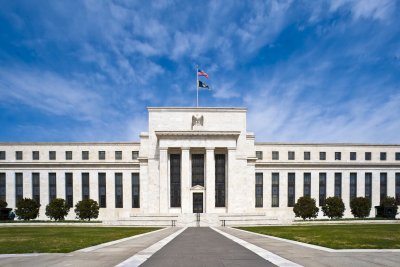
By 11:59 a.m. ET on September 16, Brent futures were trading at $105.23 per barrel, down 3.2% from Tuesday’s settlement of $108.75. West Texas Intermediate (WTI) crude also retreated, falling 3.6% to $102.06, compared with the previous close of $105.83. The sharp moves reflect a market that remains highly sensitive to inventory data, especially with the Federal Reserve’s policy decision looming at 2 p.m. ET, which could inject additional volatility through its impact on the dollar and broader risk sentiment.
Refined products weigh on oil prices
The EIA’s weekly report, covering the period ended September 11, revealed that commercial crude inventories fell by 640,000 barrels to 423.4 million. Analysts polled by Reuters had anticipated a more substantial draw of 1.6 million barrels. Stocks at the Cushing, Oklahoma, delivery hub declined by 300,000 barrels, so the report was not an outright crude build, but the refined product side painted a softer picture.
Gasoline inventories rose by 800,000 barrels, defying expectations of a 1 million-barrel decline. Distillate stocks, which include diesel and heating oil, increased by 1.6 million barrels against a forecast of only a 100,000-barrel gain. Refinery inputs fell by 300,000 barrels per day, and utilization rates dropped by one percentage point, according to Reuters’ account of the EIA release.
This combination is more bearish than the headline crude draw alone. Rising fuel inventories suggest that refiners’ output is not being absorbed as quickly as traders anticipated, pointing to softer demand for refined products. Lower refinery runs also reduce the immediate need for crude oil, further pressuring prices. However, net crude imports declined by 1.2 million barrels per day, which helped cushion the overall commercial crude number from looking even weaker.
Supply premium remains intact
Wednesday’s decline retraced part of Tuesday’s rally, but oil prices are still far above pre-conflict levels. According to the Associated Press, Brent remains significantly higher than the roughly $72 per barrel seen before the outbreak of war with Iran. Disruptions to Middle East production and shipping lanes continue to pose a substantial risk that could easily overwhelm a single week’s change in US inventories.
The distillate picture is arguably the clearest counterargument to a sustained oil selloff. In its September Short-Term Energy Outlook, the EIA forecast that US distillate inventories would remain below 100 million barrels this month and stay below the five-year range through the end of 2026 and most of 2027. While a 1.6 million-barrel weekly build eases the immediate squeeze, it does not resolve the longer-term balance for diesel and heating oil heading into winter.
The same EIA outlook projects Brent averaging around $90 per barrel in the second half of 2026 and $74 in 2027, as production recovers and global inventories rebuild. At $105.23, the front-month futures price remains roughly 17% above that second-half forecast—a compact measure of the risk premium investors are still paying for potential supply disruptions.
Market implications
For energy producers, the immediate signal is negative, as both benchmarks lost more than 3% on the day. For refiners and fuel consumers, the picture is more nuanced: gasoline stockpiles improved, but the longer-running distillate shortage remains unresolved. The next durable move in oil prices will depend on whether Middle East flows normalize and whether subsequent EIA reports confirm product builds. The Federal Reserve’s decision later today could add a second impulse through its effects on the dollar, bond yields, and growth expectations before the market close.