U.S. equities presented a mixed picture on Wednesday afternoon, with technology shares driving the Nasdaq Composite higher as Treasury yields and crude oil prices pulled back, setting the stage for the Federal Reserve's widely anticipated rate decision. As of 12:22 p.m. ET, the S&P 500 advanced 0.34% to 7,611.60, while the Nasdaq Composite climbed 0.69% to 26,160.11. The Dow Jones Industrial Average lagged, edging down 0.05% to 52,066.04.
Market Divergence Reflects Rate Sensitivity
The divergence between the major indices underscores a market that is not uniformly optimistic about growth but is instead favoring sectors with higher sensitivity to interest rates. The 10-year Treasury yield stood at 4.961%, down roughly 3.5 basis points from Tuesday's close of 4.996%. A lower long-term yield boosts the present value of future earnings, which typically benefits technology and other long-duration stocks.
Oil Prices Provide Relief
Energy markets added to the supportive backdrop for equities. Brent crude traded near $105.23 per barrel, down 3.24% from the prior settlement, while West Texas Intermediate slipped 3.56% to around $102.06. Government data released earlier in the day showed a smaller-than-expected draw in U.S. crude inventories, alongside builds in gasoline and distillate stocks. Cheaper oil can ease inflationary pressures embedded in bond yields, but it also weighed on energy shares, contributing to the Dow's underperformance.
Economic Data Points to Resilient Consumer
The economic calendar delivered a less dovish signal. U.S. retail sales rose 1.2% in August, according to the Commerce Department, surpassing the 0.7% increase economists had projected. Excluding gasoline, sales advanced 1.1%. The robust spending figures suggest consumer demand remains firm, giving the Federal Reserve less reason to signal imminent policy easing after today's expected rate hike.
This combination—softer oil and yields alongside stronger-than-expected consumer spending—explains the muted yet uneven market action. Investors can welcome the immediate reduction in energy costs while still treating the outlook for policy rates as uncertain.
Fed Decision and Market Implications
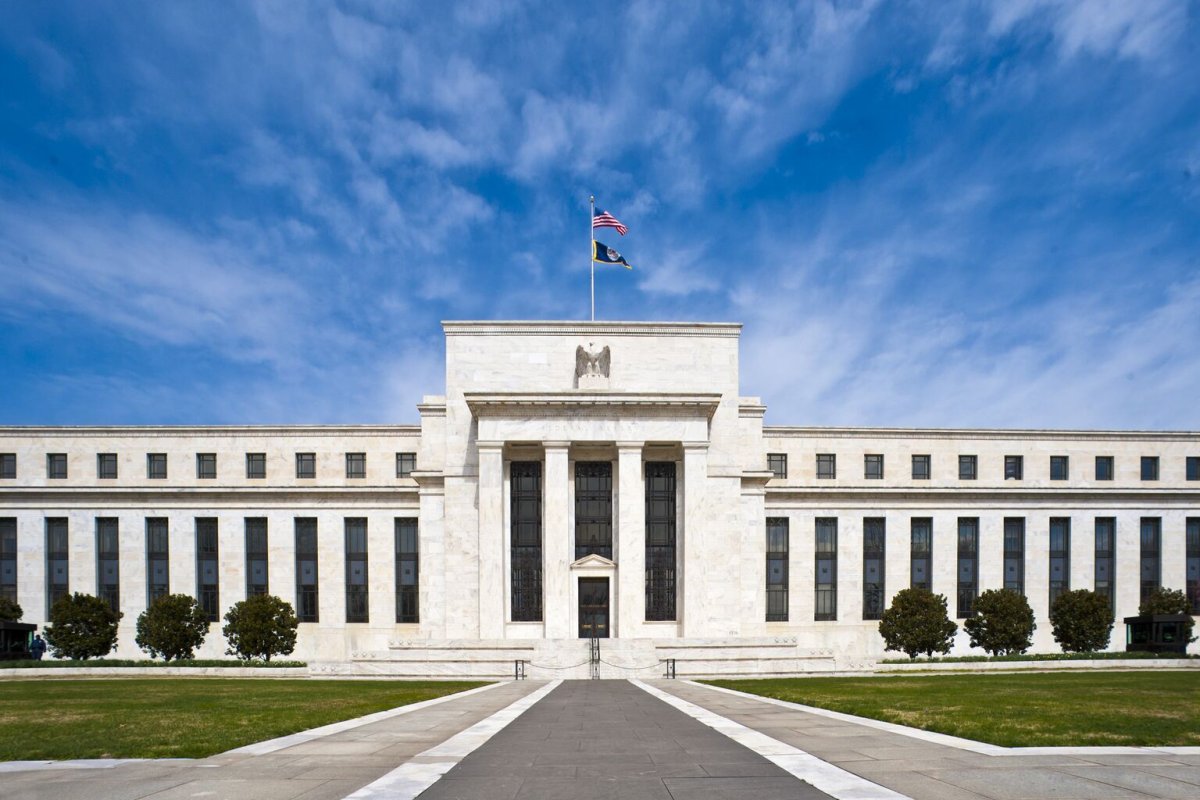
The Federal Reserve is scheduled to release its policy statement and updated economic projections at 2 p.m. ET, followed by Chair Jerome Powell's press conference at 2:30 p.m. A quarter-point rate increase is widely expected, so the market's focus will be on the projected path for rates and the central bank's characterization of the balance between inflation and growth.
For equity investors, the clearest confirmation of the midday move would be a 10-year yield that remains below Tuesday's close after the press conference. If the yield pushes back above 5%, the Nasdaq's relative strength could quickly evaporate, even if the headline rate decision matches expectations. Conversely, a stable or lower long-term yield would preserve the valuation support for growth shares.
Caution Ahead
However, a single calm session before a major policy announcement offers limited insight into the weeks ahead. Oil remains above $100 per barrel, retail demand is stronger than forecast, and the Fed has not yet provided its updated inflation and rate projections. Wednesday's rally was therefore conditional—it rested on lower market yields before policymakers had explained how long they intend to keep financial conditions tight.
An Associated Press market update earlier in the session reflected the same pattern: technology-led gains, easing oil, and a Treasury yield just under 5%. The next move in markets is likely to depend less on whether the Fed raises rates and more on what its projections imply for the cost of capital after today.