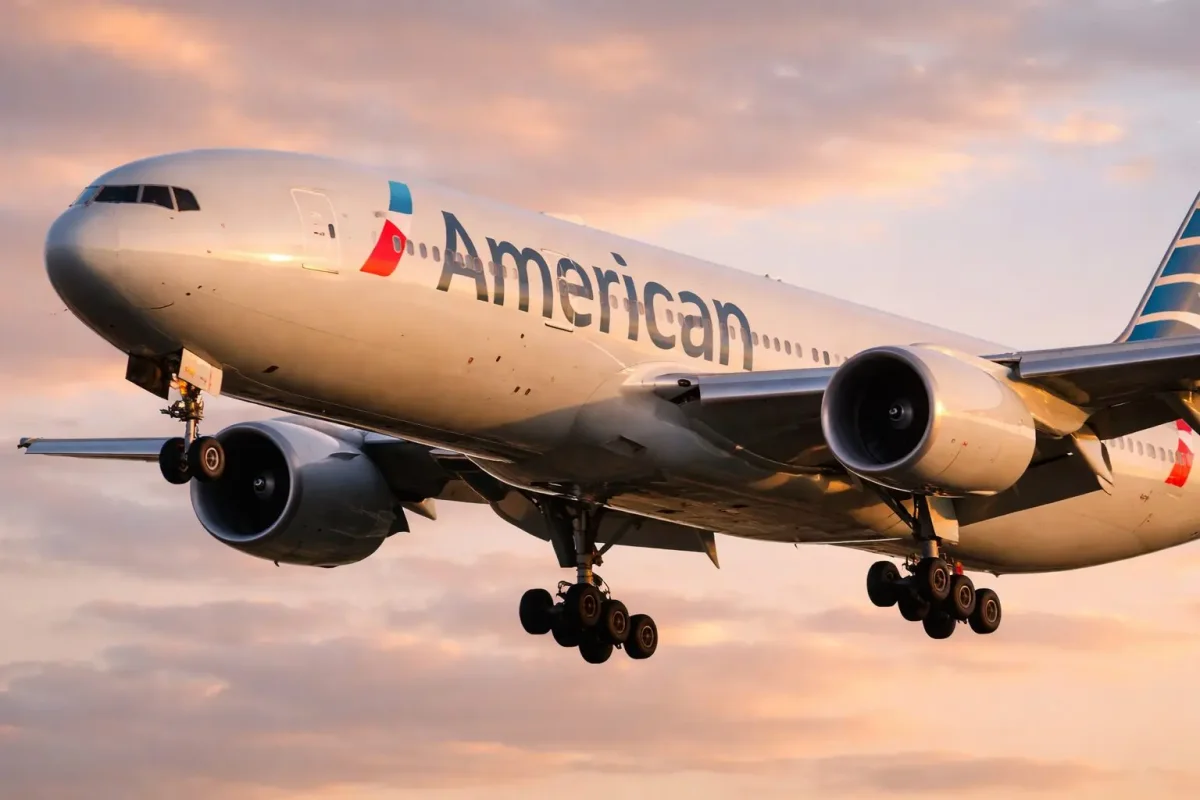
Shares of American Airlines Group traded lower on Thursday, March 12, 2026, declining 0.6% to $11.04 in early market activity. The downward movement coincided with a sharp spike in global oil prices, which briefly surpassed the $100 per barrel threshold following renewed attacks on shipping in the Gulf region. This development places immediate pressure on the entire airline sector, for which fuel represents the second-largest operational cost after labor.
Fuel Cost Surge Outpaces Crude
The financial impact is particularly acute because the price of jet fuel, the refined product airlines actually consume, has increased at a much faster rate than crude oil. Since the onset of the Iran conflict, jet fuel prices have reportedly doubled, while crude oil has risen by only approximately one-third. This disparity creates a direct and severe squeeze on airline operating margins, as carriers are often unable to immediately adjust ticket prices to compensate for the rapid cost increase. Passenger fares are typically locked in weeks or months in advance through advance sales, leaving airlines to absorb higher fuel bills in the near term.
American's Heightened Vulnerability
American Airlines is positioned to feel this margin pressure more intensely than some of its major rivals. Like most U.S. carriers, American stepped back from fuel hedging strategies years ago, foregoing financial contracts that would have locked in fuel prices at lower levels. Recent regulatory filings indicate that for American, every one-cent increase in the price of jet fuel adds roughly $50 million to its annual fuel expenses. In contrast, Delta Air Lines maintains a degree of insulation through its ownership of a refinery in Pennsylvania, which provides a measure of cost control.
The broader airline sector has endured a difficult period. On March 9, American's stock dropped 3.44%, while other major U.S. airline names fell between 1% and 5%. Analyst commentary reflects the challenging environment. Tom Fitzgerald of TD Cowen stated that margin expansion in the current year will be extremely difficult unless energy prices decline rapidly. Similarly, Morningstar equity analyst Nicolas Owens highlighted that the surge in fuel costs will likely compress profits for U.S. airlines in March.
Profit Gap and Peer Commentary
American Airlines entered 2026 with an optimistic outlook, projecting in January full-year adjusted earnings between $1.70 and $2.70 per share, which exceeded analyst expectations at the time. The company pointed to strong demand for premium seating, a stabilization in corporate travel, and growing loyalty program revenue as positive drivers. However, the carrier operates with less financial cushion than its closest competitors. For the 2025 fiscal year, American reported an adjusted pretax profit of $352 million, a figure that lags far behind Delta's $5 billion and United Airlines' $4.6 billion. This significant profit gap is a known pressure point for American's management team.
Recent statements from industry leaders have done little to alleviate concerns. United Airlines CEO Scott Kirby cautioned last week that rising fuel expenses would likely have a "meaningful" negative impact on first-quarter financial results. On the day of that warning, shares of American, Delta, and Southwest Airlines all declined between 3% and 5%.
Market Uncertainty and Investor Focus
The outlook remains uncertain. Despite strategic releases from national oil reserves, market participants remain nervous about continued supply disruptions. Analysts at Goldman Sachs warned on Thursday that daily oil prices could test levels not seen since the 2008 peak if shipping disruptions in the critical Strait of Hormuz persist through March. For consumers, this translates to higher energy bills with no immediate relief in sight.
Investors will be looking for guidance from American Airlines management at the upcoming J.P. Morgan Industrials Conference, scheduled for March 17. This presentation is anticipated to provide insights into how the company is managing elevated fuel costs, potential adjustments to ticket pricing, and the current trajectory of spring and summer travel bookings.