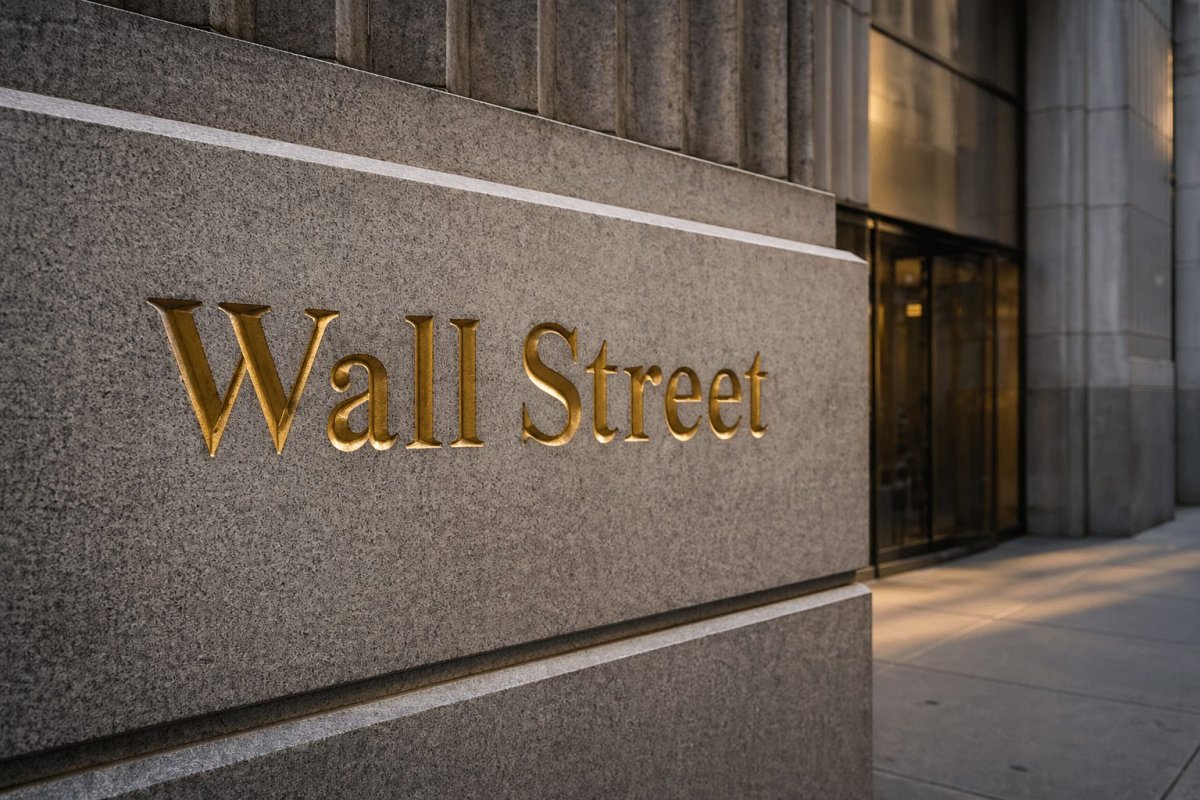
New York, April 27, 2026 – Wall Street’s primary measure of market anxiety, the Cboe Volatility Index (VIX), dropped 3.69% to 18.02 on Monday, even as the S&P 500 and Nasdaq Composite closed at fresh all-time highs. However, the decline in the spot VIX belies a more cautious stance in the futures market, where contracts for May and June traded above the 20 mark, signaling that investors are not yet ready to abandon their hedges.
The S&P 500 edged up 0.12% to 7,173.93, while the Nasdaq added 0.20% to close at 24,887.10. The Dow Jones Industrial Average slipped 0.13%, underscoring the mixed sentiment. The record closes came amid a busy week that includes earnings from megacap tech companies, key U.S. economic data, the Federal Reserve’s interest rate decision, and ongoing geopolitical tensions in the Middle East.
Options market data reveals that traders continue to pay a premium for protection against future volatility. May VIX futures settled at 20.05, while June futures were even higher at 21.10, both well above the spot VIX. This “contango” structure indicates that market participants expect turbulence ahead, even as the spot index reflects calmer short-term conditions.
Last week, an unusual pattern emerged: the S&P 500 climbed to record levels, yet the VIX also rose, finishing at 18.71 on Friday—up 1.25 points from the prior week. According to Ed Tom at Cboe, this “spot up, vol up” phenomenon is rare, occurring only about 20% of the time. Tom attributed the move to investors selling upside call options to fund purchases of downside puts, a strategy that caps potential gains but provides a safety net in case of a downturn.
Koen Hoorelbeke, options strategist at Saxo, noted that the SKEW index, which measures demand for tail-risk protection, closed at 139—elevated levels suggesting investors are willing to pay extra for insurance against extreme market moves. Near-the-money S&P 500 puts were priced with implied volatility around 24% to 25%, compared to roughly 21% for similar calls, further highlighting the defensive posture.
Geopolitical risks remain a key driver. Ongoing shipping disruptions near the Strait of Hormuz and uncertainty surrounding Iran peace talks have kept energy prices elevated. U.S. crude rose 2.09% to $96.37 a barrel, while Brent gained 2.75% to $108.23, both supported by supply bottlenecks. “We’re in this holding-on moment here. I don’t think the market’s going to grind a lot higher,” said Phil Blancato, chief market strategist at Osaic Wealth.
This week’s earnings calendar is dominated by the “Magnificent Seven” tech giants: Amazon, Alphabet, Meta Platforms, Apple, and Microsoft are all scheduled to report. Together, these five companies account for about 44% of the S&P 500’s total market capitalization, according to Reuters. So far, 81% of the 139 S&P 500 firms that have reported first-quarter results have beaten Wall Street expectations, per LSEG I/B/E/S data.
The Federal Reserve is widely expected to keep its key overnight rate in the 3.50% to 3.75% range at this week’s meeting. However, rising energy costs and the Iran conflict have shifted focus to any hints of renewed inflation concerns from policymakers. “The market is just trying to deal with the rally that’s been going on and digest the latest all-time highs,” said Robert Pavlik, senior portfolio manager at Dakota Wealth.
In summary, while the VIX’s dip below 20 might typically be seen as a green light for risk-taking, the elevated futures curve and defensive options positioning suggest that investors are bracing for potential headwinds. The combination of megacap earnings, Fed policy, and geopolitical risks means that the current record rally is being met with caution rather than complacency.