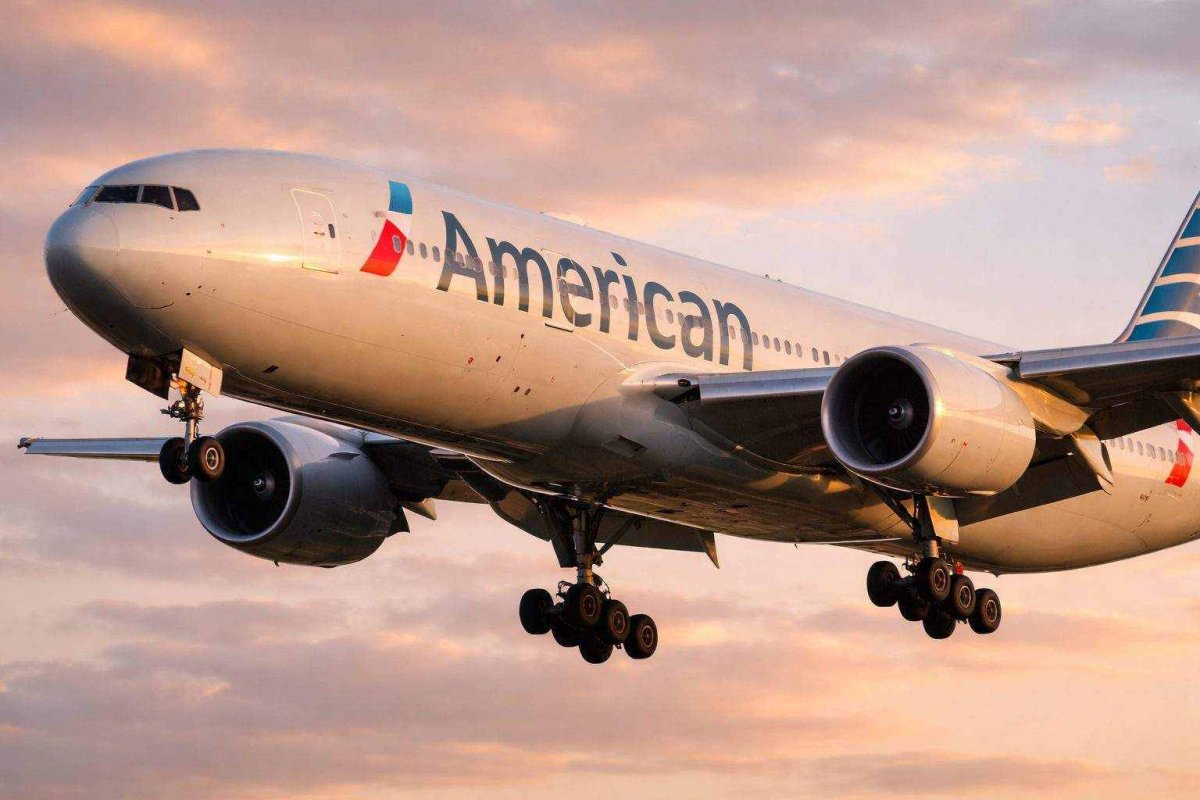
Shares of American Airlines Group Inc. experienced a significant rally in Tuesday's trading session, climbing approximately 8% following a report detailing preliminary merger discussions. According to Reuters, United Airlines Holdings Inc. Chief Executive Scott Kirby proposed a potential combination with American during a late-February meeting with former President Donald Trump.
Market Reaction and Context
The surge, which occurred in late trading, represents a notable move for American Airlines, a carrier grappling with a substantial long-term debt load of around $25 billion. The company has consistently trailed its larger competitors in profitability metrics. By the market close, American's market capitalization stood near $7.4 billion, a figure dwarfed by United's $31.2 billion and Delta Air Lines Inc.'s $43.4 billion valuations. Analysts at Seaport suggested a portion of the upward price action was likely driven by short covering, as traders who had bet against the stock rushed to close their positions.
Antitrust Hurdles and Regulatory Scrutiny
The prospect of a merger between United and American would create the largest U.S. airline deal in over a decade. Based on 2025 flight schedules, a combined entity would command close to 40% of domestic seat capacity, equating to roughly four out of every ten seats on U.S. routes. This level of market concentration would immediately trigger intense scrutiny from antitrust regulators at the Department of Justice.
Legal experts expressed deep skepticism about such a deal's viability. William Kovacic, director of the Competition Law Center at George Washington University, told Reuters the idea "seems hopeless," citing major competitive overlaps in key hubs like Chicago. Andre Barlow of DBM Law Group noted a merger would reduce the "Big Four" U.S. airlines to three, creating a single dominant player. TD Cowen analyst Tom Fitzgerald added that, even before any mandated asset sales, the merged airline would hold at least a 50% share of domestic capacity at 159 airports nationwide.
Political and Regulatory Landscape
The political environment adds another layer of complexity. While Transportation Secretary Sean Duffy stated last week there is "room for some mergers" in the industry, a Reuters source close to the White House indicated administration officials are wary of any consolidation that could increase airfares ahead of the November midterm elections. The report clarifies that it remains unclear if United followed up on Kirby's February 25 proposal with American after the White House meeting.
Recent legal history underscores the regulatory challenge. A federal judge blocked JetBlue Airways' attempt to acquire Spirit Airlines in 2024, and an appeals court subsequently upheld the dissolution of American's Northeast Alliance with JetBlue. These cases serve as a stark warning that even limited airline partnerships face formidable antitrust obstacles.
Financial and Operational Pressures
American's balance sheet presents a mixed picture. The carrier ended the first quarter with more than $10 billion in total liquidity—cash plus available funding—and reported its debt levels had reached a decade low. CEO Robert Isom has stated the company is "built for times like this." However, the $25 billion long-term debt burden remains a persistent concern. In January, management pointed to recovering premium demand and business travel, but Reuters later reported the airline continued to underperform rivals on profitability, a shortfall that helps explain the market's enthusiastic reaction to merger speculation.
External factors also loom large. Both American and United shares have declined since late February as escalating tensions between the U.S., Israel, and Iran drove jet fuel costs higher. This margin pressure can swiftly impact capacity planning and complicate the financing of a major transaction.
Next Steps for Investors
With no formal negotiations confirmed and both airlines declining to comment, the situation remains speculative. The next significant event for investors will be American Airlines' first-quarter earnings release, scheduled for April 23 at 7:30 a.m. CT. The subsequent conference call is poised to be a critical forum for management to address the swirling rumors and provide clarity on the company's strategic direction amid this period of heightened volatility and speculation.