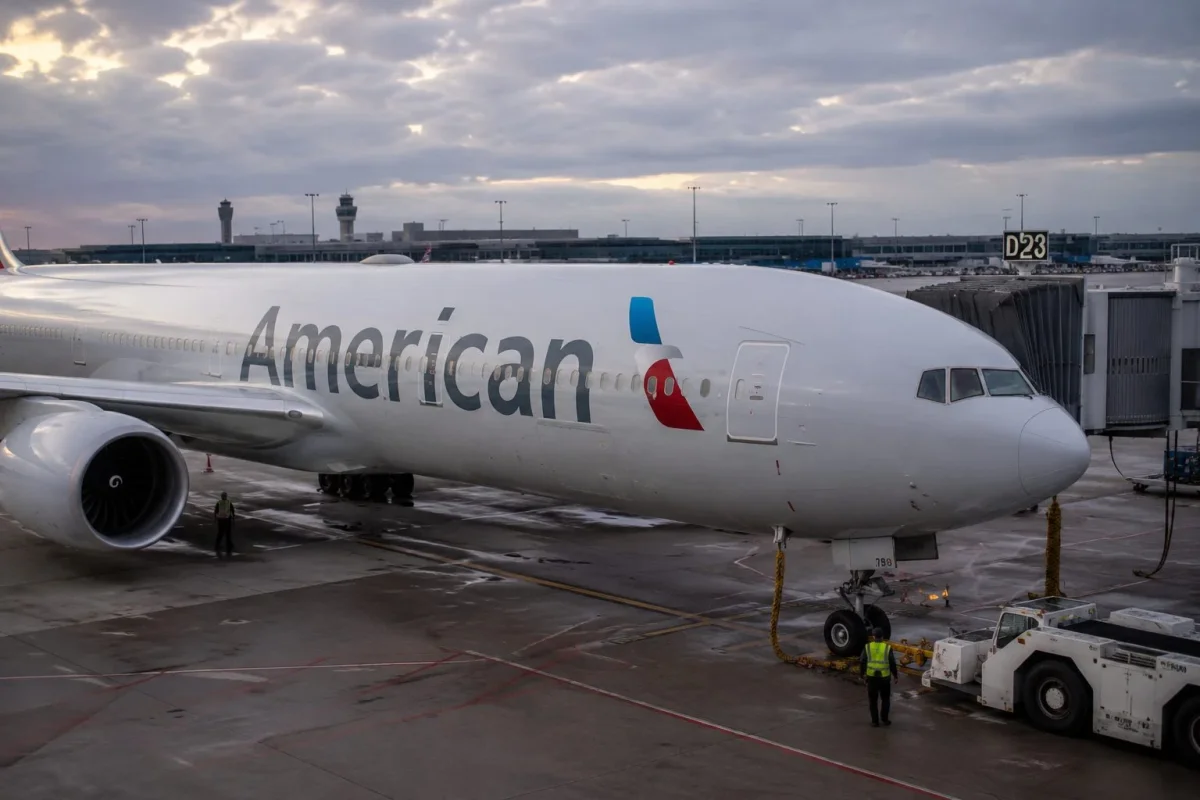
American Airlines Group Inc. (AAL) saw its stock surge 7.4% to close at $12.95 on Wednesday, driven by a sharp decline in oil prices that provided a tailwind for the airline sector ahead of Thursday's regular trading session. The rally came as Brent crude dropped approximately 3% to $108.31 a barrel, offering some relief from the persistent pressure of elevated jet-fuel costs that have weighed on carrier earnings outlooks.
Trading volume for American Airlines reached 85.4 million shares, significantly above the levels seen earlier in the week, signaling strong investor interest in the stock's move. The broader airline sector also benefited, with Delta Air Lines (DAL), United Airlines (UAL), Southwest Airlines (LUV), and Alaska Air (ALK) all posting gains ranging from 6% to 10%. Major market indexes rose over 1% as well.
The decline in crude prices comes amid ongoing U.S.-Iran peace talks and broader uncertainty in oil markets. For airlines, jet fuel represents a substantial portion of operating expenses, making crude price movements a critical swing factor for profitability. American Airlines had previously warned that jet-fuel costs could jump by over $4 billion in 2026, leading the company to cut its full-year profit forecast last month.
In April, American Airlines revised its 2026 earnings outlook, now expecting a per-share loss of $0.40 to a profit of $1.10, down sharply from its earlier forecast of $1.70 to $2.70 per share. The revision underscored the margin pressure from high fuel prices, even as the company reported record first-quarter revenue of $13.9 billion. The carrier posted a GAAP net loss of $382 million, but total debt fell to $34.7 billion, the lowest since mid-2015.
CEO Robert Isom highlighted the company's record revenue in the first quarter and noted that American is on track for another second-quarter record. The airline's latest guidance projects second-quarter total revenue growth of 13.5% to 16.5%, supported by stronger domestic and international unit revenue. However, management has indicated that it can only pass on about half of the higher fuel costs to customers in the current quarter, with plans to seek further increases if prices remain elevated.
Despite Wednesday's rally, analysts caution that the gains may not be sustainable. The stock's recent moves have been closely tied to oil price fluctuations, effectively making it a leveraged bet on crude. If oil bounces back or if geopolitical tensions fail to ease, airlines could quickly give back the rally. The coming sessions will test whether the bounce is driven by short covering or genuine investor conviction.
Looking ahead, the 2026 outlook for American Airlines hinges on a narrow set of factors: fuel costs, summer travel demand, fare pricing, and the company's ability to manage costs without alienating price-sensitive customers. While the drop in oil provides temporary relief, the broader market context remains fragile, and any reversal in crude could quickly shift sentiment.