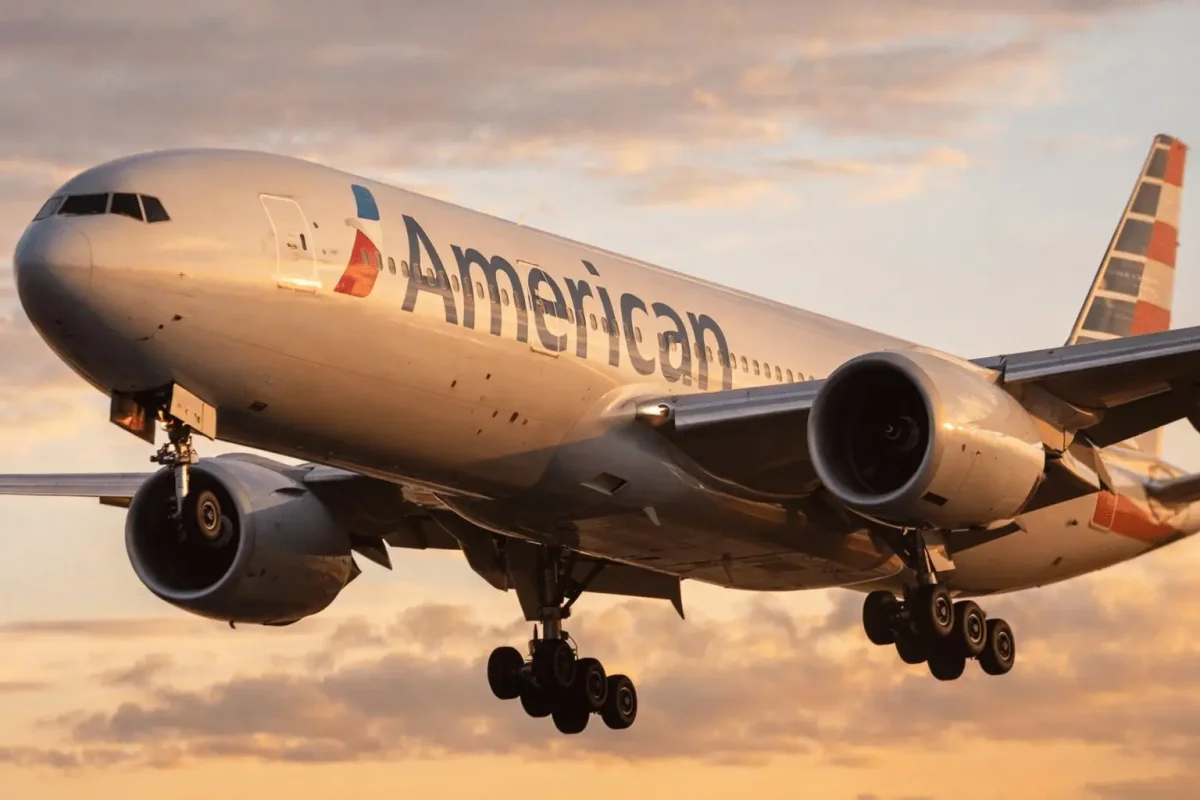
Shares of American Airlines Group Inc. declined approximately 3% to $11.11 in Wednesday's premarket session, leading a broader selloff in the airline sector as investors reacted to a sharp increase in fuel expenses. The downward move reflects growing concerns over the impact of volatile energy markets on carrier profitability, with American appearing particularly vulnerable.
Comparative Weakness Amid Industry Headwinds
The selloff placed American in a more precarious position than major competitors Delta Air Lines and United Airlines. American reported an adjusted pretax profit of just $352 million for 2025, a figure dwarfed by Delta's $5 billion and United's $4.6 billion. This thinner profit margin leaves American with less flexibility to absorb rising operational costs. Analysts are now watching for potential guidance revisions from major U.S. carriers ahead of an upcoming industry conference scheduled for next week.
While the downturn affected most airlines, American underperformed its peers. In premarket activity, Delta shares fell about 2.2%, United dropped 3.6%, and Southwest Airlines edged 0.5% lower. This followed a session on Tuesday where American, Delta, United, and Alaska Air each closed between 2% and 4% down, despite a temporary retreat in oil prices.
Oil Market Volatility Drives the Crisis
The core issue remains the instability in crude oil markets. Brent crude futures traded near $91 per barrel by mid-morning Wednesday, recovering even as the International Energy Agency initiated a record emergency stock release. A day earlier, the U.S. Energy Information Administration projected Brent could stay above $95 for the next two months if the conflict in Iran continues to constrain supply.
This volatility directly disrupts airline business models that depend on predictable fuel expenses. Jet fuel prices, which ranged from $85 to $90 per barrel before the Iran conflict, have now surged to between $150 and $200, according to Air New Zealand. While many European and Asian carriers use hedging contracts to lock in fuel prices, most major U.S. airlines, including American, typically avoid this strategy, leaving them fully exposed to spot market fluctuations.
American's Disproportionate Fuel Sensitivity
American Airlines faces a disproportionately heavy burden when jet fuel prices rise. Regulatory filings indicate that each additional cent per gallon adds roughly $50 million to the company's annual fuel bill. This impact is notably higher than Delta's $40 million per cent increase and nearly double Southwest Airlines' estimated $22 million sensitivity.
"It is difficult to envision margin expansion this year barring a rapid decline in energy prices," wrote TD Cowen analyst Tom Fitzgerald. The commentary casts doubt on American's previously stated targets. In January, the company told investors it was aiming for 2026 adjusted earnings per share between $1.70 and $2.70, alongside free cash flow exceeding $2 billion.
Financial Maneuvers and Lingering Debt
In response to the mounting pressure, American moved to bolster its liquidity on March 9. The company increased its total revolving credit commitments to $3.11 billion from $3.0 billion and extended key maturity dates to March 2031. These steps are designed to provide a financial cushion should fuel costs remain elevated or passenger bookings soften.
However, significant risks persist. American concluded 2025 carrying $36.5 billion in total debt and has stated its goal to reduce this figure below $35 billion by the end of the current year. Achieving that target could prove challenging if elevated jet fuel prices persist through the second quarter and planned fare increases fail to hold. The challenge is compounded by the carrier's heavy reliance on price-sensitive leisure travelers and shorter domestic flights.
A Glimmer of Demand Hope
The outlook is not entirely bleak. Recent reports indicate passenger numbers are growing faster than available seat capacity, and some airlines are recording all-time highs for spring-break bookings. These demand factors could provide carriers with enough pricing power to offset a portion of their higher costs through increased fares.
Investors will scrutinize management's commentary at the J.P. Morgan Industrials Conference on March 17 for any signals regarding American's revised strategy. Last month, CEO Robert Isom emphasized that "2026 can't just feel different. It has to be different." The coming weeks will reveal whether the airline can navigate this fuel shock and deliver on that promise to shareholders.