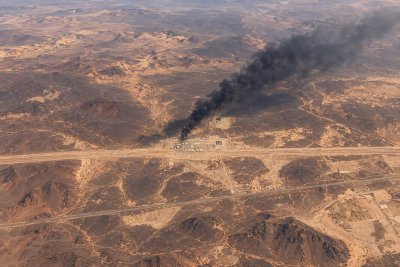
Asian stock markets kicked off the trading week on a positive note, buoyed by a significant decline in crude oil prices after the United States and Iran reached a tentative agreement to end hostilities and reopen the Strait of Hormuz. Brent crude fell 4.02% to $83.82 per barrel, while West Texas Intermediate dropped 4.63% to $80.95, marking one of the steepest single-day slides in recent months.
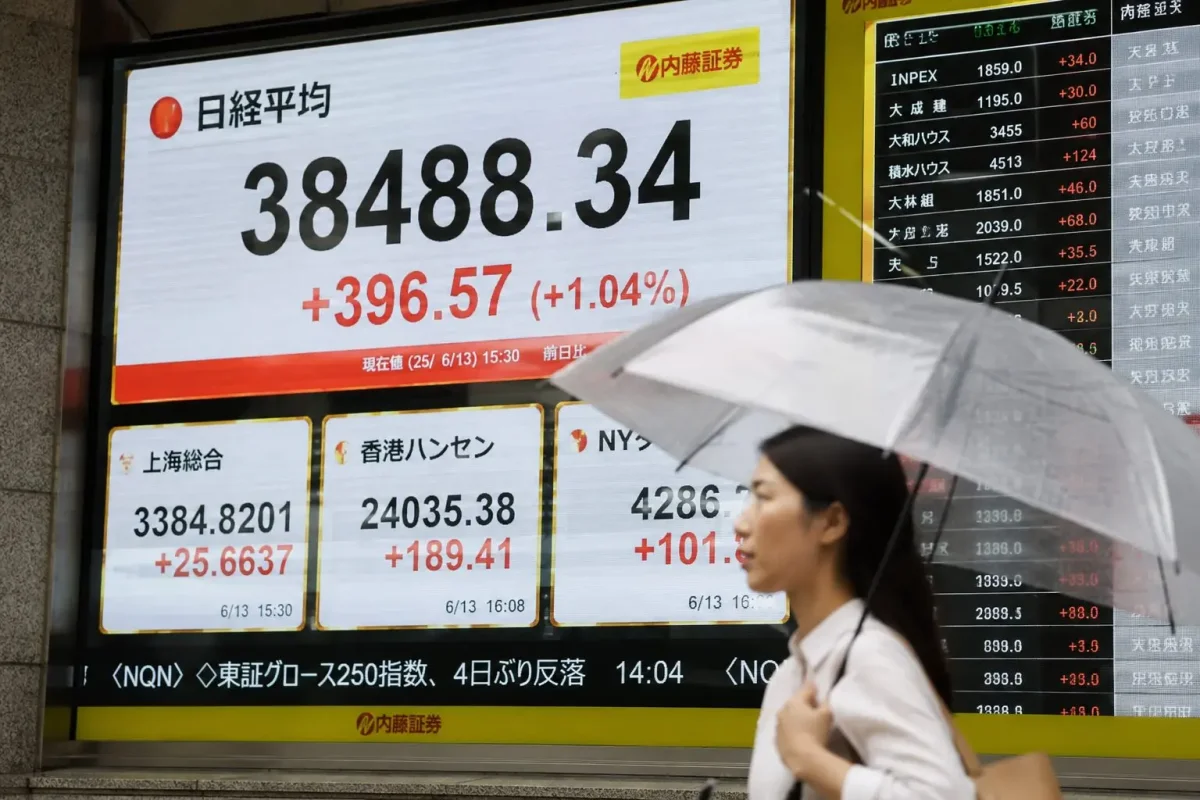
The relief rally extended across the region, with Japan's Nikkei 225 surging 2.81% to 66,020.04, Hong Kong's Hang Seng Index gaining 1.93% to 24,718.10, and India's Sensex rising 2.30%. Mainland China's Shanghai Composite also advanced, closing 1.12% higher. The positive momentum followed a strong finish on Wall Street, where the Dow Jones Industrial Average rose 0.70% to 51,202.26, the S&P 500 added 0.50% to 7,431.46, and the Nasdaq Composite edged up 0.31% to 25,888.84.
Oil Deal and Market Implications
The sharp drop in oil prices stems from a breakthrough in US-Iran negotiations, with a formal signing expected in Switzerland on Friday. The draft terms include reopening the Strait of Hormuz—through which about 20% of global oil passes—and lifting the US blockade on Iranian ports. If fully implemented, cheaper energy costs could provide a significant tailwind for airlines, shipping companies, manufacturers, and major energy importers such as Japan, India, and South Korea. Lower oil prices may also ease inflationary pressures, potentially supporting higher equity valuations.
However, analysts caution that execution risks remain high. The deal's details are still incomplete, and nuclear talks are expected to drag on for another 60 days. Israel has not been included in the agreement, and recent tensions—including Sunday's strike in Lebanon condemned by both Iran and President Donald Trump—could quickly unravel the fragile ceasefire. Any disruption to shipping through the Strait of Hormuz or renewed hostilities could send oil prices spiking, squeezing margins and reigniting inflation fears.
Central Bank Meetings in Focus
Investors are now turning their attention to two pivotal central bank meetings. The Bank of Japan is widely expected to raise its policy rate to 1.0% from 0.75% at its Tuesday meeting, which would be the highest level since 1995. Governor Kazuo Ueda will be absent due to medical treatment, leaving Deputy Governor Shinichi Uchida to handle post-decision communications. Markets have largely priced in the move, but the focus will be on the BOJ's forward guidance—whether it signals a patient stance or hints at further tightening. A rate hike could benefit Japanese banks by widening lending margins, but a stronger yen may pressure exporters and growth stocks by squeezing foreign profits and raising discount rates. The yen is currently trading near 160 per dollar, which could prompt official intervention.
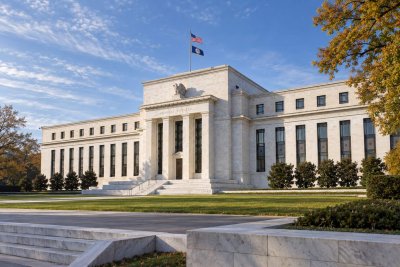
Following the BOJ, the Federal Reserve will conclude its two-day meeting on June 17. While no rate change is expected, markets will scrutinize the Fed's statement and economic projections for clues about the path of monetary policy. Any hawkish surprises could dampen risk appetite.
China Credit Data Adds Caution
Despite the positive start, headwinds from China persist. May new yuan loans came in at 520 billion yuan, below the Reuters forecast of 550 billion yuan, with household loans—including mortgages—declining again. Capital Economics attributed the weakness to a persistent lack of demand rather than supply constraints, keeping credit growth sluggish. This continues to weigh on Hong Kong and mainland Chinese shares, as cheaper oil alone is unlikely to revive property demand or boost lending to households and private businesses.
The US 10-year Treasury yield traded near 4.483%, reflecting ongoing uncertainty. While the initial relief rally has lifted Asian equities, much of the optimism may already be priced in, especially with oil still soft and no concrete policy moves from central banks yet.
Market Outlook
Bulls are hoping for a durable US-Iran deal, sustained low oil prices, a dovish BOJ, and a benign Fed. Such an outcome could boost Asian cyclicals, travel, technology, non-China auto names, and energy importers. Bears, however, warn that the deal could collapse as soon as Friday, the Strait of Hormuz could become a flashpoint, the BOJ might adopt a more hawkish tone, or the Fed could signal that rates will stay higher for longer. For now, the rally appears to be a short-term bounce, with long-term valuations already elevated and the market still hostage to geopolitical developments, China's demand outlook, and central bank policy uncertainties.