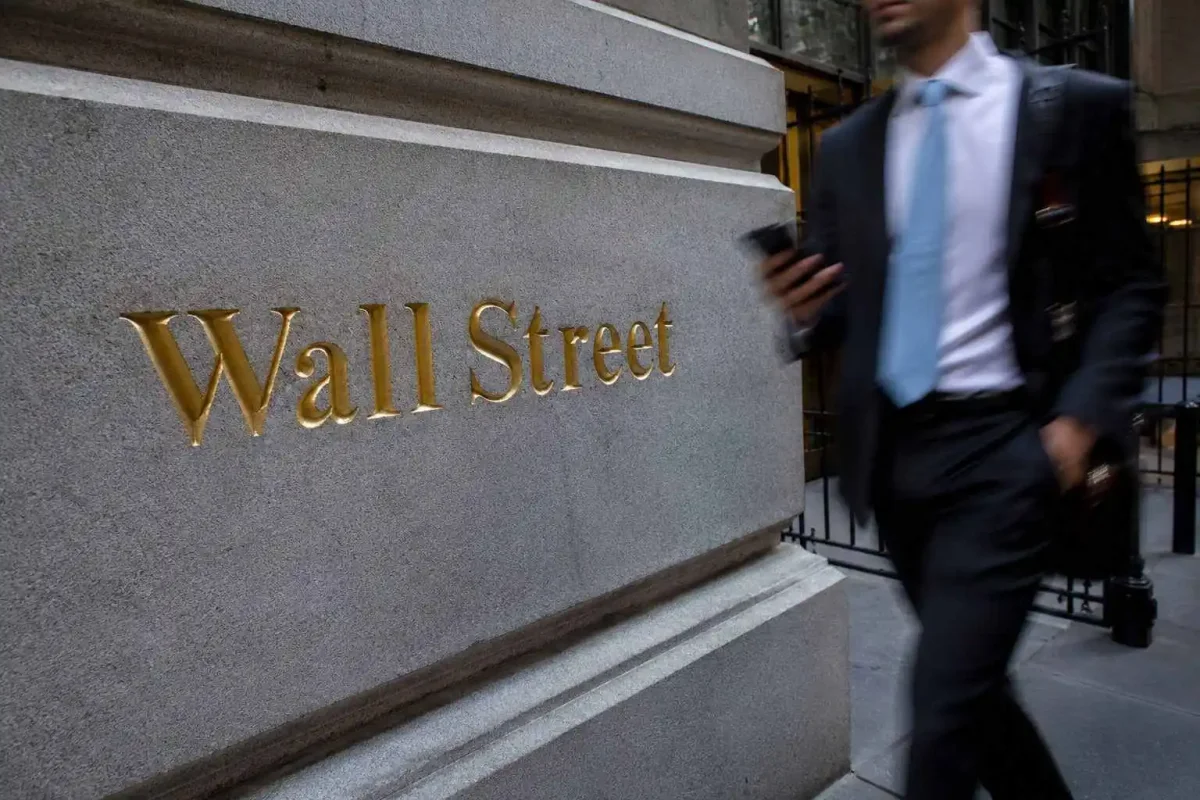
U.S. equities ended sharply lower on Wednesday, July 29, 2026, as a divided Federal Reserve decision and a sharp spike in crude oil prices tempered investor enthusiasm for artificial intelligence-related spending. The S&P 500 fell 1.52% to close at 7,316.15, its lowest level in a month. The Dow Jones Industrial Average dropped 2.19% to 51,594.14, while the tech-heavy Nasdaq Composite slid 1.74% to 24,442.94.
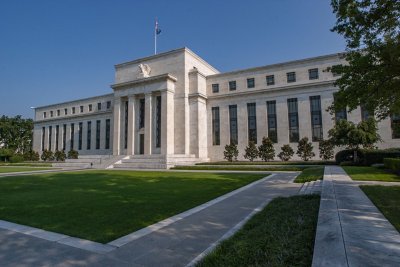
The Federal Reserve held its benchmark interest rate steady at 3.50%-3.75%, but the decision was not unanimous. Three officials—Beth Hammack, Neel Kashkari, and Lorie Logan—voted in favor of a 25 basis point increase. Chair Kevin Warsh reiterated the central bank's commitment to the 2% inflation target, stating, "This Fed will not waver." Following the announcement, market pricing implied a 57% probability of a rate hike at the September meeting, according to Reuters.
Compounding the pressure on equities, Brent crude oil surged 7.91% to close at $90.74 per barrel, while West Texas Intermediate rose 6.56% to $84.46. U.S. crude inventories fell by 7.2 million barrels, reaching their lowest level since 2018. Rising oil costs squeeze corporate profit margins and increase the discount rate applied to future earnings, making high-growth AI stocks less attractive.
The combination of higher oil prices and a more hawkish Fed has pushed up the returns investors demand from AI-focused companies. The Nasdaq has fallen nearly double the S&P 500 over the past five sessions, declining 4.86% compared with the S&P 500's 2.44% drop. The Dow slipped 1.20% over the same period. Market breadth was weak, with eight of the 11 S&P 500 sectors closing lower. Industrials fell 3.24%, and the technology sector dropped 2.5%. Declining stocks outnumbered advancers by a 1.8-to-1 ratio.
Valuations leave little room for error. The S&P 500 trades at nearly 20 times expected earnings, above its 10-year average of 19. Second-quarter earnings growth is projected at almost 40% according to LSEG consensus estimates, but those figures remain subject to revision. The market is increasingly rewarding companies that can convert revenue into cash, not just those that spend heavily on AI infrastructure.
After the closing bell, earnings reports from two tech giants illustrated this divergence. Microsoft (NASDAQ:MSFT) shares rose roughly 3% in after-hours trading after Azure revenue grew 43%, beating the 39.98% consensus estimate. However, Microsoft's capital spending reached $41 billion for the quarter, a more than 70% increase, representing about 46% of its revenue. In contrast, Meta Platforms (NASDAQ:META) slipped around 5% after reporting a 28% sales increase to $60.8 billion, but free cash flow plummeted 91% to $784 million—just 1.3% of revenue. Meta also raised its 2026 spending outlook to $130-$145 billion.
The rotation away from mega-cap tech has provided some support for broader market indexes. Since June 2, the S&P 500 equal-weight index has climbed nearly 4%, while the market-cap-weighted S&P 500 has declined 2.4% through Wednesday's close. Roughly two-thirds of S&P 500 constituents have gained during this period, suggesting that gains are broadening beyond the largest names.
Investors now face a busy Thursday. The government will release June personal consumption expenditures inflation data at 8:30 a.m. EDT, followed by earnings from Apple (NASDAQ:AAPL) and Amazon.com (NASDAQ:AMZN) after the close. Risks are balanced: easing geopolitical tensions could quickly lower oil prices and push long-term yields down, while a hot inflation print or a new supply shock could intensify rate repricing.
Wednesday's session underscored a simple truth: investing heavily in AI is no longer sufficient. In today's market, the ability to turn revenue into cash is what drives valuations.