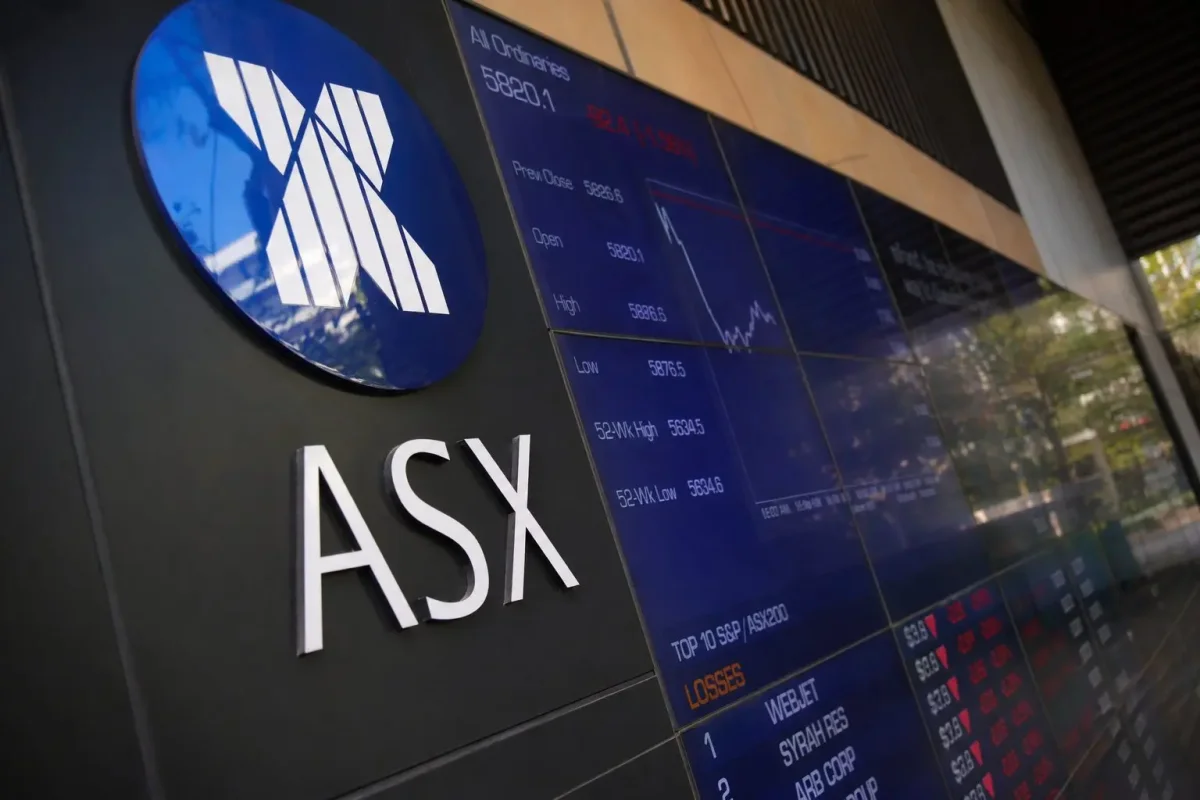
The Australian share market is poised for a muted open on Tuesday, with SPI 200 futures slipping just 8 points, or 0.09%, as of 08:32 AEST. This comes despite a sharp 9.6% surge in Brent crude oil prices to $83.30 a barrel overnight and a 1.55% decline in the tech-heavy Nasdaq Composite. The resilience of the ASX 200 owes much to its heavy weighting in banks and energy stocks, which helped buffer the index from overseas tech weakness.
On Monday, the ASX 200 managed to eke out a gain of 2.5 points to close at 8,808.5, but beneath the surface, market breadth was weak. Among the broader ASX 300, 170 stocks finished lower while only 112 advanced. The tech sector fell 2.48%, while financials rose 0.67% and energy edged up 0.66%. With financials representing 33.3% of the ASX 200 and tech just 2.1%, the sector shifts meant financials contributed roughly 0.22 percentage point to the index, while tech subtracted 0.05 point. Stripping out the gains from financials, the rest of the benchmark actually fell by about 0.19 point, underscoring that the headline index masked broader weakness.
Oil producers such as Santos (ASX:STO) and Beach Energy (ASX:BPT) are expected to benefit from the crude price rally, which was driven by ongoing geopolitical tensions in the Middle East. However, the surge also adds to inflation pressures, which could complicate the Reserve Bank of Australia's policy stance. The RBA has kept its cash rate steady at 4.35% after three hikes earlier this year, noting in June that inflation remains too high. The Melbourne Institute's consumer sentiment index, due at 11 a.m. AEST, will offer a fresh read on local economic mood; the June reading of 80.6 was near five-decade lows.
On the downside, Xero (ASX:XRO) dropped 4.3% on Monday after news that CEO Sukhinder Singh Cassidy sold 29,608 shares at A$74 each to cover personal tax bills. Australian tech stocks may also face pressure from the global chip pullback, but the sector's small index weighting means the main gauge is unlikely to take a big hit. Thomas Martin, senior portfolio manager at GLOBALT, questioned the sustainability of the semiconductor rally, noting there is "less cushion" in the market now and plenty of unknowns.
U.S. Treasury yields also rose, with the 10-year note climbing to 4.62%, raising the valuation bar for equities. Gold prices fell 3% to $3,998.52 an ounce, putting pressure on precious-metal miners. Robert Pavlik, senior portfolio manager at Dakota Wealth, attributed the moves to "more of the same uncertainty surrounding where the Middle East stands."
Looking ahead, analysts caution that if tensions around the Strait of Hormuz escalate, the support from banks and energy stocks could fade. Vivek Dhar, commodities analyst at Commonwealth Bank of Australia (ASX:CBA), noted that current prices suggest investors still expect the strait to remain open. He warned that any disruption to flows would quickly revive depletion risks, and in a worst-case scenario, Brent could spike to $150 a barrel, triggering "demand destruction" that would curb consumption. While that would benefit producers, it would likely hurt transport firms, retailers, households, and rate-sensitive shares.
Tuesday's index move may appear minor on the surface, but beneath it, a larger shift is expected. Energy stocks should run stronger, technology and precious-metal miners face headwinds, and banks could tip the balance for the benchmark. Investors are advised to watch market breadth rather than just the index close—Monday's session was a reminder that one-third of stocks can mask what is happening to the majority of the market.