The Australian dollar slipped below the 71 U.S. cent mark on Wednesday, as the Federal Reserve's decision to raise interest rates trimmed the yield cushion that had been supporting the currency against a strengthening greenback. The AUD/USD pair was trading near 0.7089 at 22:07 UTC on September 16, down 0.6% from its previous close of 0.7134.
The Fed's unanimous 12-0 vote lifted the federal funds target range to 3.75%-4.00%, marking the first rate increase in three years. This move has recalibrated the interest rate differential between the U.S. and Australia. Australia's cash rate currently stands at 4.35%, which is now just 47.5 basis points above the midpoint of the new U.S. target range—a significant narrowing from the 72.5 basis point gap that existed before the Fed's announcement.
Currency markets are forward-looking, and the Fed's latest projections indicate a median policy rate of 4.1% by the end of 2026. If the Reserve Bank of Australia (RBA) maintains its current rate of 4.35%, the Australian dollar's yield advantage would shrink to just 25 basis points by that time. This thinning carry cushion could reduce the attractiveness of holding Australian dollars against U.S. dollars for yield-seeking investors.
The Fed's statement described U.S. economic activity as expanding at a solid pace, with inflation remaining elevated. This resilient economic backdrop, combined with the possibility of further rate hikes, provides a clearer policy narrative for dollar bulls than was available before Wednesday's announcement. The dollar's strength is likely to persist if the U.S. economy continues to outperform and the Fed remains on a tightening path.
RBA's Next Move in Focus
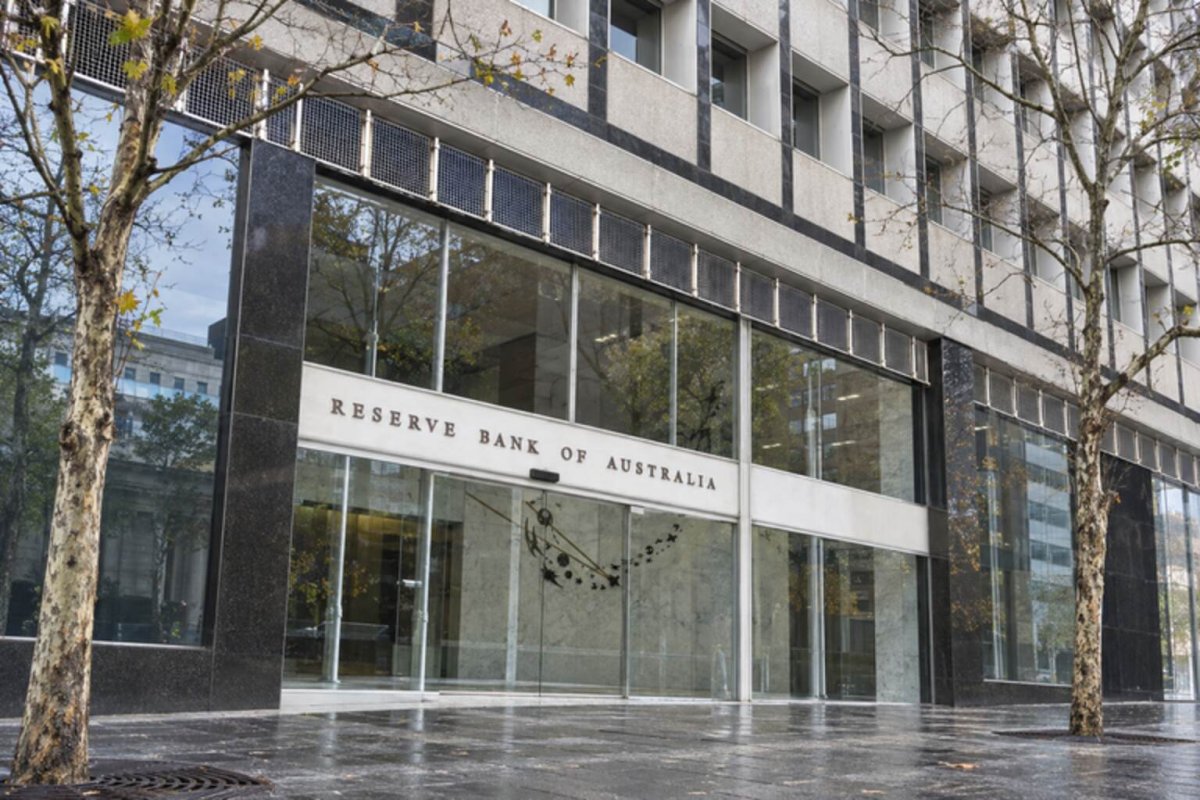
All eyes now turn to the Reserve Bank of Australia's upcoming policy decision on September 29. The RBA has not been idle; it has raised rates three times in 2026, with the cash rate currently at 4.35% effective August 12. However, the central bank has also noted that financial conditions have already tightened, while acknowledging that inflation remains too high. This leaves a live debate among economists over whether another rate increase is warranted or if the existing tightening is sufficient.
Should the RBA opt for a 25 basis point hike, the Australia-U.S. rate gap would widen back to 72.5 basis points against the Fed's current midpoint. However, when measured against the Fed's projected year-end rate of 4.1%, the advantage would be 50 basis points. These scenarios are illustrative and isolate the policy-rate channel, assuming no other changes in the economic landscape.
Beyond the Rate Differential
The bearish case for the Australian dollar is not without its counterarguments. A single 0.6% move does not establish a lasting trend. The Aussie dollar is also influenced by commodity prices, Chinese demand, and global risk appetite. A hawkish RBA decision, stronger-than-expected Australian inflation data, or a rebound in growth-sensitive assets could easily outweigh the narrower current rate gap.
For currency investors, the 0.71 level is less critical than the evidence surrounding it. A sustained move lower, accompanied by a widening U.S. rate path, would signal that the carry support is fading. Conversely, a recovery before September 29 would suggest that traders are positioning for the RBA to respond to the Fed's hawkish stance.
As the market digests the Fed's decision, the focus will remain on the upcoming RBA meeting and any signals from both central banks regarding future policy moves. The interplay between these two monetary policies will be pivotal in determining the AUD/USD trajectory in the coming weeks.
