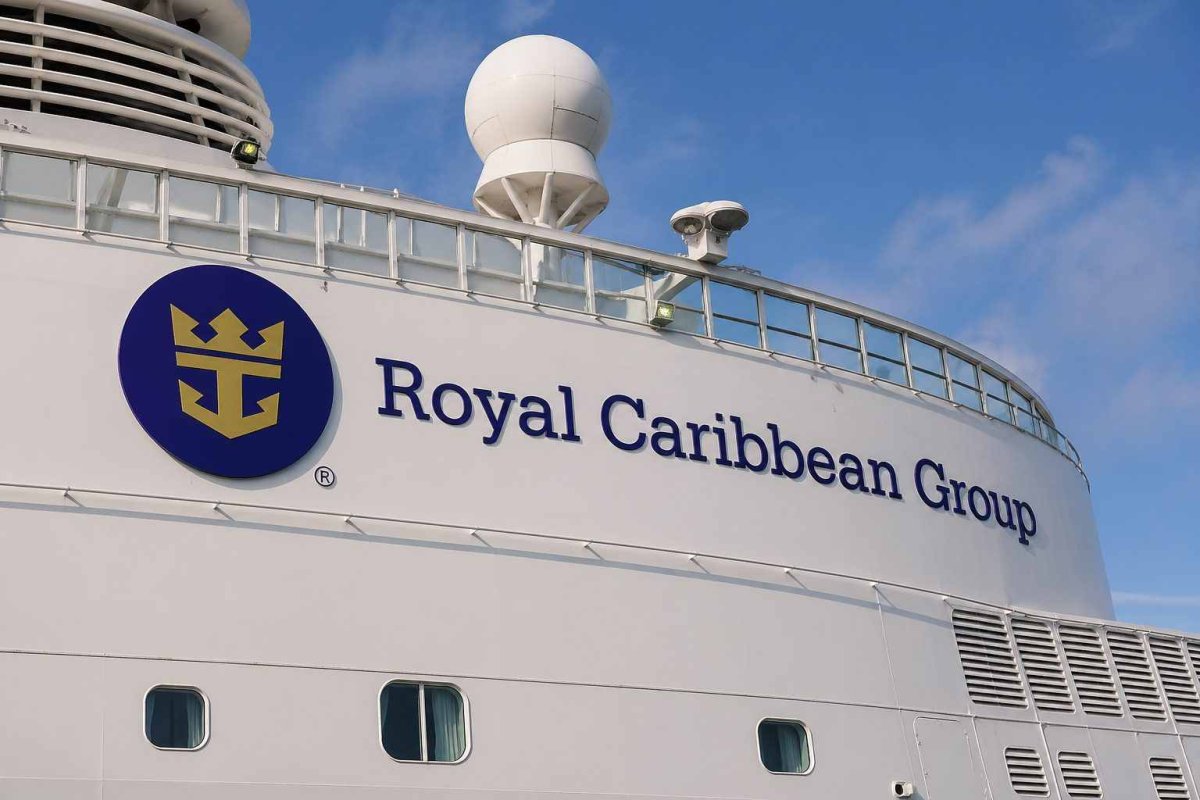
Royal Caribbean Cruises Ltd. (NYSE: RCL) has confirmed that guests visiting its private island destination, Perfect Day at CocoCay, on Tuesday, May 12, will face a temporary halt in onshore alcohol sales. The interruption stems from an election-day liquor ban imposed by the Bahamian government, which applies across all islands, including private cruise line enclaves.
The ban, effective from 8 a.m. to 6 p.m. on polling day, prohibits the sale of any beverage classified as "intoxicating liquor" throughout The Bahamas. Royal Caribbean stated that both Perfect Day at CocoCay and the Royal Beach Club Paradise Island will remain open, but bar service on land will be suspended during those hours. A company spokesperson emphasized that the cruise line is "respecting and complying with all local laws and regulations."
This restriction coincides with scheduled visits from two of Royal Caribbean's largest vessels—Wonder of the Seas and Oasis of the Seas—both docking at CocoCay on May 12. The timing turns a routine national voting rule into a significant customer-service challenge for one of the company's premier Bahamian destinations.
While alcohol remains available for purchase aboard Royal Caribbean ships, the onshore prohibition is expected to frustrate some guests. The company faced a similar situation on April 30, when an advanced-polling restriction at Royal Beach Club Paradise Island led to refunds for customers who had pre-purchased alcoholic day passes. According to Royal Caribbean Blog, the company ultimately compensated affected guests.
MSC Cruises is also affected by the ban, notifying passengers that it will suspend alcohol service at its Ocean Cay destination on May 12. Some shore excursions that include alcoholic beverages may also see modifications.
This operational hiccup comes as Royal Caribbean continues to expand its private destination footprint. The company currently operates 69 ships and has announced plans to grow its private-destination lineup from three to eight locations by 2028. The Bahamas remains a key hub for these investments.
Financially, Royal Caribbean reported first-quarter revenue of $4.5 billion and adjusted earnings per share of $3.60. However, the company trimmed its 2026 adjusted EPS guidance to a range of $17.10 to $17.50, citing higher fuel costs and geopolitical uncertainties on certain routes. On the April 30 earnings call, CEO Jason Liberty noted that "travel remains a top priority" for consumers. CFRA Research analyst Alex Fasciano flagged higher fuel expenses as a potential drag on profits, though he noted Royal Caribbean has flexibility to adjust itineraries to mitigate the impact.
Shares of Royal Caribbean last traded at $275.24 on Friday, while Carnival Corp. (NYSE: CCL) closed at $26.38 and Norwegian Cruise Line Holdings (NYSE: NCLH) ended at $17.08. U.S. markets were closed Saturday.
For Royal Caribbean, the immediate challenge is managing a busy beach day while clearly communicating that bar hours are dictated by local law, not company policy. The situation remains limited—a single day on land—and shipboard operations continue normally. Still, it underscores the operational risks tied to regulatory environments in key port destinations.