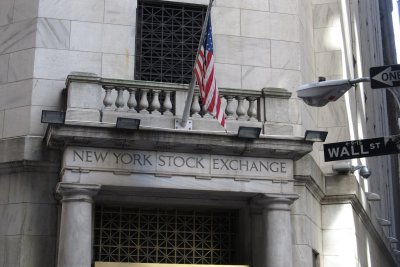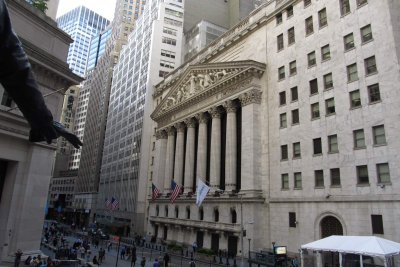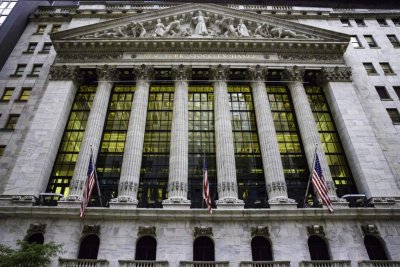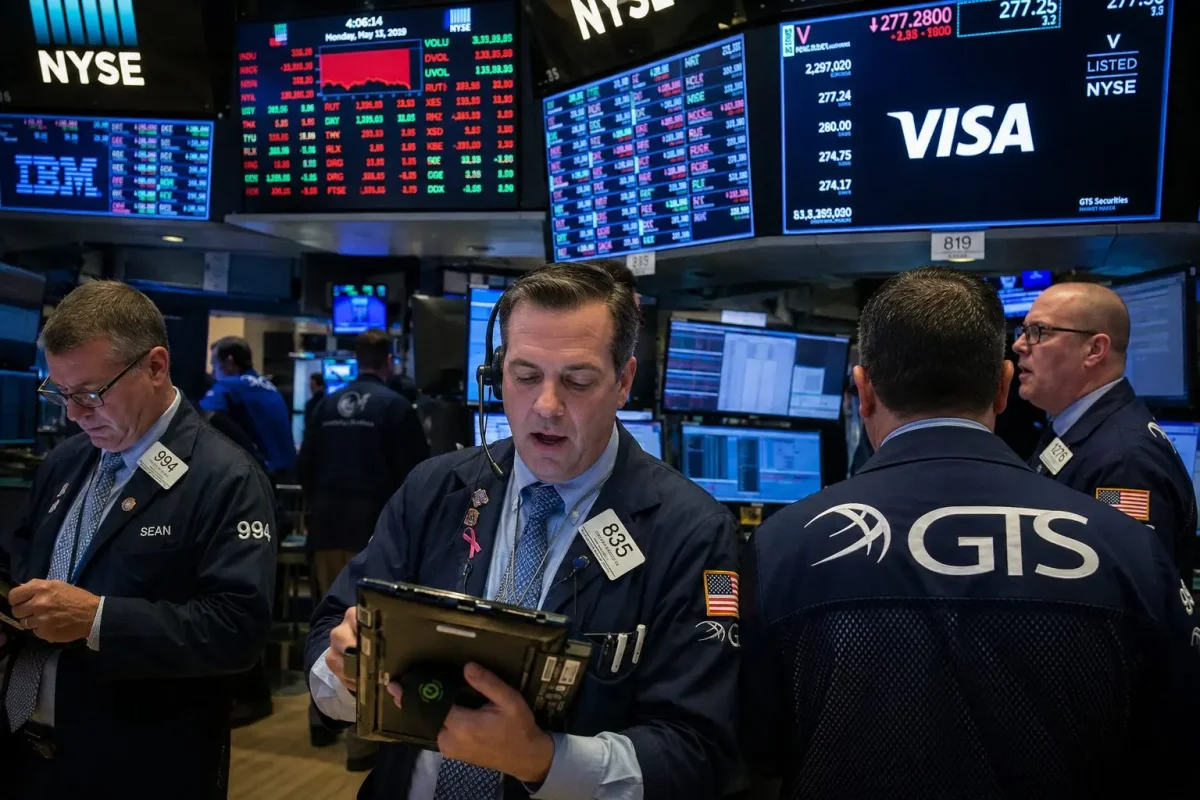
The coming week on Wall Street will test whether the current rally can sustain itself without artificial intelligence as its sole driver. The focus is squarely on earnings from major banks and semiconductor companies, with results from Citigroup, JPMorgan Chase, Goldman Sachs, ASML Holding, and Taiwan Semiconductor Manufacturing Co. set to provide crucial signals. The broader market's ability to expand beyond the AI trade is the central question.
Year-forward earnings estimates for the S&P 500 have risen 21% in 2026, roughly double the index's gain, while projected second-quarter profit growth has been revised up to 23.4% from 15.2% in January. This marks a 54% increase in the growth hurdle. Technology earnings are expected to surge more than 65%, so the upcoming reports will test whether the rally can broaden. Nationwide strategist Mark Hackett noted that earnings are even stronger than headline figures suggest.
Market Breadth and Valuation
Last week, the S&P 500 gained 1.2% and the Nasdaq Composite added 1.7%, while the Dow Jones Industrial Average slipped 0.5%. Market breadth appeared solid on Friday, with 2.1 advancing stocks for each declining one, but trading volume of 14.5 billion shares was roughly 35% below its 20-day average. The S&P 500's forward price-to-earnings ratio stood near 20, down from 21 in late May, indicating that rising earnings estimates, rather than multiple expansion, are driving the market higher.
Key Earnings Events
On Tuesday, July 14, Citigroup, JPMorgan Chase, and Goldman Sachs will report, with investors scrutinizing trading and deal fees, loan demand, credit quality, and net interest income. Markets revenue at major global banks is expected to rise at least 15% year-over-year, with equities trading being a primary driver, according to Coalition Greenwich's Jamie Vickers. However, the more important read will come from loan demand and credit losses, as strong fees with stable credit would indicate the earnings boom is reaching beyond technology.
Citigroup has a specific tailwind from its role as a coordinator and depositary bank on SK hynix's U.S. share sale, earning more than $70 million. While this fee is small relative to Citigroup's overall revenue, a weak stock response would suggest investors are more focused on expenses and management execution.
On Wednesday, July 15, ASML Holding reports, followed by Taiwan Semiconductor Manufacturing Co. on Thursday, July 16. Both companies face a high bar as they sit at key supply-chain chokepoints. ASML raised its 2026 sales forecast to €36 billion-€40 billion in April, while TSMC lifted expected dollar revenue growth above 30% and said capital spending would run near the top of its $52 billion-$56 billion range. CEO C.C. Wei described AI demand as extremely robust. This week, new orders, capacity, and pricing will matter more than backward-looking profit beats.
Netflix reports on Thursday, July 16, serving as a non-AI control sample. The company forecast current-quarter earnings per share below analyst estimates and revenue growth that would be its slowest in a year. A positive stock response would extend earnings strength into consumer-facing growth, beyond finance and chips.
Macro and Geopolitical Risks
Tuesday's economic calendar features June consumer-price data at 8:30 a.m. ET, with core CPI likely to carry more weight. May inflation reached 4.2% year-over-year, while the New York Federal Reserve's June survey put one-year consumer inflation expectations at 3.7%. Fed Chair Kevin Warsh begins congressional testimony at 10:00 a.m. ET. A cooler core inflation figure combined with sound bank guidance would be the cleanest signal that profits can broaden without a new interest-rate shock.
However, geopolitical risks loom. Iran said Sunday it had again closed the Strait of Hormuz after attacks spread across Gulf states, though the United States disputed this. Brent crude settled Friday at $76.01 a barrel, up about 5.5% for the week. A sharp move higher in oil prices would lift inflation fears, pressure travel and consumer shares, and make the banks' trading gains look more cyclical than durable.
The clearest bullish outcome is not a clean sweep of earnings beats, but positive share-price reactions in at least two of three groups—banks, semiconductor suppliers, and Netflix—on heavier volume than Friday's thin session. Healthy banks would confirm breadth, stronger chip guidance would pressure valuations, and a Netflix beat would show consumer resilience. The market's next move depends on it.