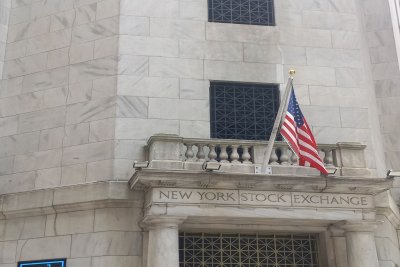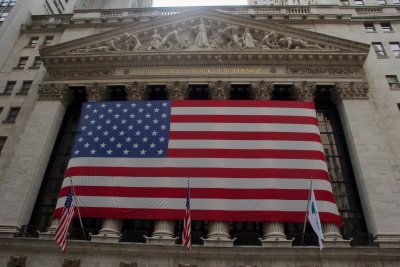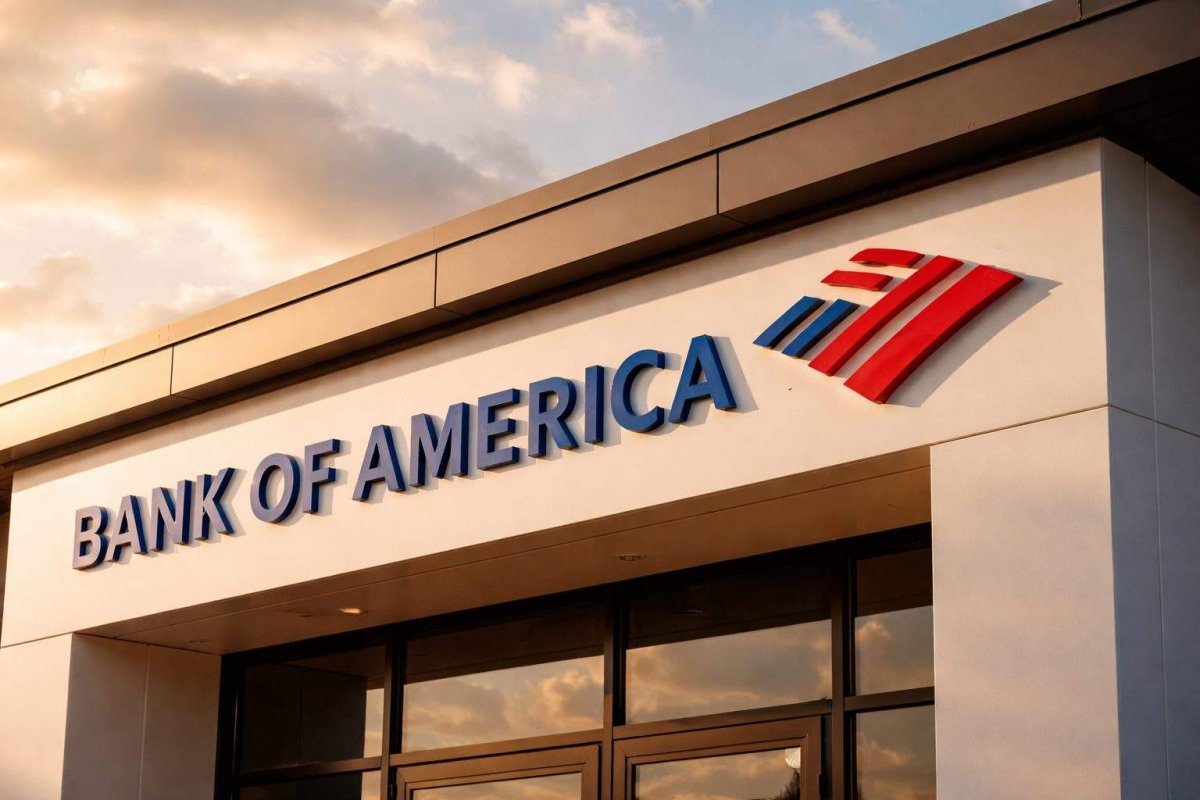
Shares of Bank of America (BAC) closed at $49.83 on Friday, February 28, 2026, marking a steep decline of 4.72% for the session. The stock reached an intraday low of $49.32 as trading volume surged to approximately 77.7 million shares, ending a brief two-day rally. The selloff was part of a broader retreat across the financial sector, driven by renewed anxiety over stress in private credit markets.
Private Credit Contagion Fears Rattle Wall Street
The catalyst for the downturn was the collapse of Market Financial Solutions, a United Kingdom-based mortgage lender. This event sent shockwaves through Wall Street, highlighting vulnerabilities in the private credit ecosystem—a segment of lending that operates outside traditional banking channels. The S&P 500 bank index fell 4% on the news. Joe Saluzzi, co-head of equity trading at Themis Trading, noted the concerning pattern, stating, "We're starting to continue to see these types of things pop up, which is definitely a problem."
Complicating the situation is the deep entanglement of major banks with private credit firms. According to a Moody's report cited by Reuters, U.S. banks had extended close to $300 billion in loans to private-credit entities as of June 2025. This substantial exposure has investors scrutinizing what might happen to these interconnections if default rates begin to climb. Christian Hoffmann, head of fixed income at Thornburg Investment Management, expressed caution, remarking, "It's not clear that things have fundamentally changed."
AI-Driven Layoffs and Falling Yields Add Pressure
Further unsettling market sentiment, financial technology firm Block announced plans to eliminate over 4,000 positions as part of a strategic shift to integrate artificial intelligence more deeply into its operations. CEO Jack Dorsey's declaration that "Intelligence tools have changed what it means to build and run a company" stoked broader concerns about AI-induced job losses and their potential ripple effects on consumer spending and credit health.
Simultaneously, falling Treasury yields pressured bank profitability. As investors sought safety, the yield on the benchmark 10-year Treasury note fell to 3.96%, while the 2-year yield slid to 3.385%. Lower interest rates typically compress net interest margins—the critical difference between what banks earn on loans and pay for deposits—squeezing a primary revenue source for the industry.
Broad-Based Declines Across Major Lenders
The downdraft was widespread. JPMorgan Chase (JPM) finished the session down 1.90%. Wells Fargo (WFC) experienced a more severe drop, shedding 5.62%, while Citigroup (C) declined 5.16%. The U.S. bank index, as tracked by Trading Economics, closed roughly 4.9% lower on the day, underscoring the sector-wide nature of the selloff.
With U.S. markets closed over the weekend, investor attention now turns squarely to a slate of crucial economic data releases in the coming week. The Institute for Supply Management's manufacturing index is scheduled for release at 10:00 a.m. Eastern Time on Monday, March 2. Wednesday, March 4, will bring the ADP private payrolls report alongside the ISM services index. The week culminates on Friday, March 6, with the U.S. government's official February employment report from the Bureau of Labor Statistics.
Data to Guide Rate Expectations Amid Fed Watch
These economic indicators will be parsed meticulously for clues on the path of monetary policy. The Federal Reserve's next policy meeting is set for March 17-18, where it is widely expected to hold its benchmark interest rate steady in the 3.50% to 3.75% range. Investors are keenly dissecting every labor market data point to gauge both the timing and potential pace of future interest rate cuts.
Analysts warn that Friday's selloff may not be an isolated event. Should losses in the private credit market deepen or additional non-bank lenders reveal distress, traditional banks could face costlier funding and an increase in loan charge-offs, irrespective of whether the broader economy enters a recession. Conversely, if incoming economic data remains stable and no fresh credit shocks emerge, fears of financial contagion could recede, potentially drawing capital back into the beleaguered sector.
For Bank of America and its peers, the immediate signals will come from Monday's ISM manufacturing data and, most importantly, Friday's jobs report. These figures will be pivotal in assessing the direction of Treasury yields, future loan demand, and overall investor risk appetite in the days ahead.