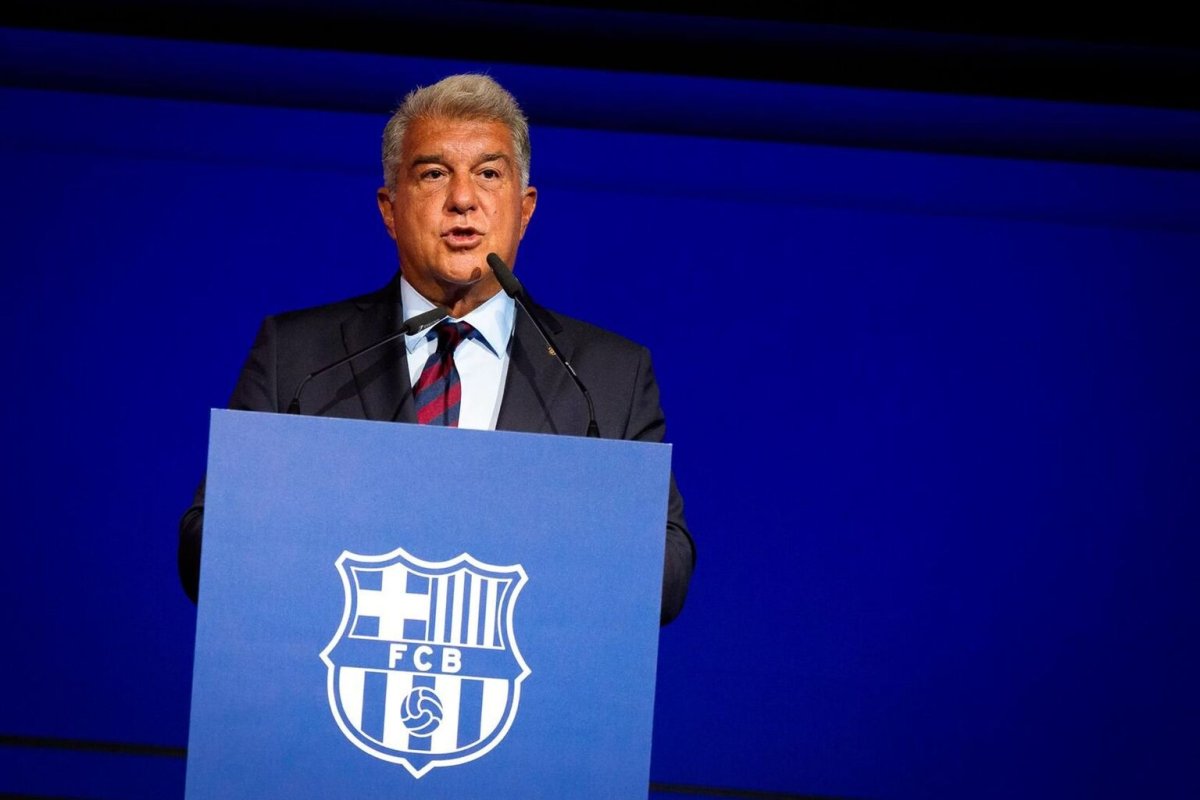
FC Barcelona's financial trajectory is set for a critical test this weekend as club members prepare to vote on two new financing measures for the ambitious Espai Barça project. The proposals, reported to total €510 million, would inject fresh capital into the stadium redevelopment while raising questions about the club's ability to deliver on its projected revenue targets.
According to the club's official assembly agenda, members will decide on increasing the financing for Espai Barça and issuing bonds secured by additional audiovisual rights. While the agenda does not specify amounts, Spanish media outlet Cadena SER, citing briefings with members and investors, has reported the requests at €300 million and €210 million, respectively.
The €300 million would supplement the €1.485 billion in financing already secured for the stadium project. The €210 million bond issuance is designed to bridge a timing gap: construction interest payments are due before the rebuilt venue reaches full operational capacity. This financial engineering underscores the club's reliance on future income to manage present-day obligations.
At the heart of the club's business case is a projected €420 million in annual stadium revenue once the renovated Spotify Camp Nou is fully operational in the 2028/29 season, according to Cadena SER. Approximately half of that amount—around €210 million—is expected to come from roughly 9,500 VIP hospitality places. This translates to an average of about €22,100 per premium seat per year, a figure that is a calculation by TS2, not official club guidance.
The interest burden on existing debt is already substantial. With reported annual interest costs exceeding €114 million, interest alone would consume at least 27% of the projected stadium revenue before accounting for operating expenses, maintenance, or principal repayment. The two new financing authorizations, totaling €510 million, represent roughly 48% of the club's reported €1.06 billion in revenue for the 2025/26 season.
While FC Barcelona has posted positive operating results for three consecutive seasons and surpassed €1 billion in revenue for the first time, the club's overall financial health remains fragile. Accounts circulated before the assembly reveal an €18 million net loss and €910 million in gross debt, according to El País. The proposed bonds also extend beyond ticket sales and hospitality, pledging additional audiovisual rights as collateral—a move that would tie more media income to the stadium's completion.
Proponents of the project point to the recent announcement that UEFA has selected the 104,000-plus-capacity Spotify Camp Nou to host the 2029 men's Champions League final. This prestigious event bolsters the venue's premium hospitality appeal, but a single final cannot validate a recurring €420 million annual revenue run rate. The club's management has argued that reduced capacity during construction has limited earnings, suggesting a fully operational stadium could indeed generate higher returns.
Saturday's vote marks the first of many decision points. If approved, creditors and counterparties will scrutinize the bond's coupon, maturity, covenants, and the priority of audiovisual cash flows, alongside the revised construction timeline. For supporters, the headline is another €510 million of financial capacity. For financial analysts, the harder question is whether disclosed bookings and cash receipts will begin to substantiate the €420 million promise before the interest bill climbs even higher.
