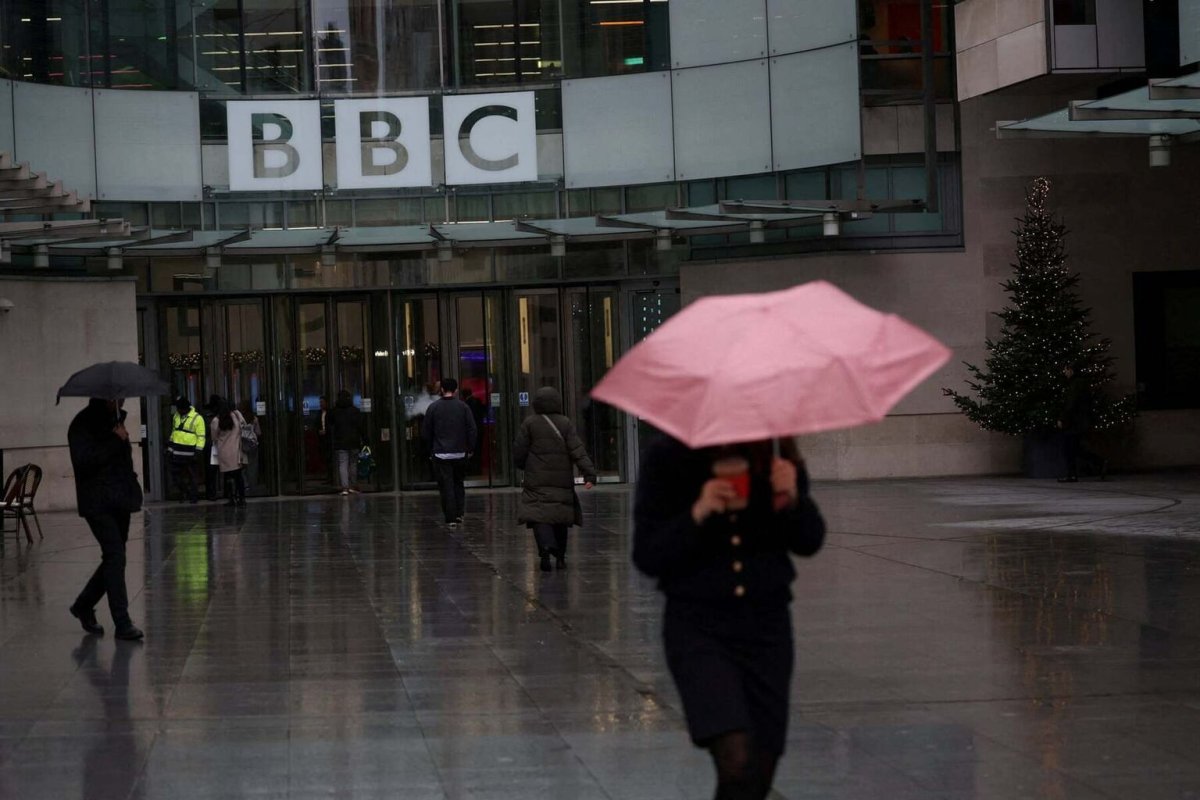
The BBC's public-service cash reserves have fallen by two-thirds over the past year, dropping from £369 million to £125 million, according to the broadcaster's latest annual report. The £244 million decline leaves cash equivalent to just 2.9% of the public-service group's annual income, a TS2 calculation shows.
While the figure does not indicate insolvency—the group still holds £257 million in cash as of March 31, 2026, and its net debt of £1.956 billion remains below the £3.05 billion authorized limit—it underscores the financial strain facing the corporation as it funds restructuring and digital initiatives while awaiting savings from a new £500 million cost-cutting program.
Funding Squeeze Beneath Flat Revenue
The 2025/26 annual report, released July 14, shows group revenue of £5.962 billion, a modest 1.1% increase from £5.900 billion. Licence-fee income rose by £36 million to £3.879 billion following the annual fee increase to £174.50. However, the number of licences in force fell by 539,000 to 23.3 million, reflecting a faster-than-expected decline in licence sales, inflationary pressures, and challenging commercial conditions.
The gap between income and costs widened, resulting in a £121 million deficit after tax, compared with a planned £33 million and a £112 million deficit the previous year. Cash reserves fell even more sharply than the deficit, with group reserves dropping £220 million and public-service reserves alone declining £244 million, implying that cash elsewhere in the group rose modestly. The BBC attributes the drawdown to transformation spending, high-impact content, and digital product investments, emphasizing that the entire decline should not be viewed as an operating loss.
Savings Program Under the Microscope
The BBC reported £715 million in savings under its existing £700 million program, but only £602 million of that is ongoing; £113 million was one-off. The corporation must still secure the final recurring savings from that program while delivering a separate £500 million savings initiative, equivalent to roughly 10% of public-service broadcasting costs.
Commercial operations provide some support, with BBC Commercial holding revenue flat at £2.155 billion and lifting EBITDA by 17% to £267 million. It paid £197 million in dividends to the BBC group, up from £161 million. However, commercial income cannot fully substitute for licence fees, and the Guardian's review of the accounts noted that public-service cash is at its lowest level in a decade, with director-general Matt Brittin warning staff about limited financial room.
Another timing risk looms: a £125 million pension deficit contribution becomes payable by July 1, 2027, unless a replacement schedule is agreed. This amount equals the current public-service cash balance, but it is not a certain outflow; the pension scheme reported a surplus on its latest actuarial valuation and a £490 million accounting surplus at year-end.
Market Implications for UK Broadcasters
The BBC is not publicly traded, so investors look to UK broadcasters like ITV plc and STV Group as proxies. Lower BBC commissioning could reduce production demand, while lighter BBC schedules might create audience opportunities for commercial rivals. However, the exact impact cannot be quantified from the BBC accounts due to undisclosed supplier exposure.
ITV shares closed Friday at 68.95 pence, down 0.93%, but the move cannot be reliably attributed to the BBC report, which appeared late in the London session. ITV's own major catalyst is the agreed sale of its Media & Entertainment division to Sky for up to £1.6 billion. In its first-half results, ITV Studios revenue rose 2% to £912 million, but adjusted EBITA fell 9% to £97 million. Post-transaction, ITV will become a focused global production company with a minimum £2.1 billion content-supply commitment from Sky and ITV Media & Entertainment for 2028-2032, a contractual floor that carries more weight for ITV's valuation than any unquantified change in BBC orders.
Upcoming Checks and Charter Review
Parliament's Public Accounts Committee expects the National Audit Office's review of the BBC efficiency and transformation program in autumn 2026, followed by evidence from senior executives. The committee has flagged savings credibility and audience value as central concerns. ITV's next scheduled trading update is November 11.
The larger decision point is the charter settlement. On September 18, the House of Lords Communications and Digital Committee stated that any new BBC obligations should come with funding or an explicit decision to do less. Its charter-review letter also noted that weekly broadcast-TV reach fell from 92% of the UK population in 2015 to 54% last year. The cash position will improve if the £500 million target becomes recurring without accelerating licence cancellations. If not, another year of transformation spending will meet a much thinner cushion.
