Berkshire Hathaway has made a significant return to the airline sector, disclosing a $2.65 billion stake in Delta Air Lines. The move, revealed in a regulatory filing on Friday, marks a notable reversal of the conglomerate's decision to exit major U.S. airline stocks in 2020 during the early stages of the pandemic.
Details of the Investment
According to the 13F filing with the U.S. Securities and Exchange Commission, Berkshire held 39.8 million shares of Delta as of March 31. The filing, which reflects holdings at the end of the first quarter, does not include any trades made after that date. Delta's stock price jumped 3.2% in after-hours trading following the news.
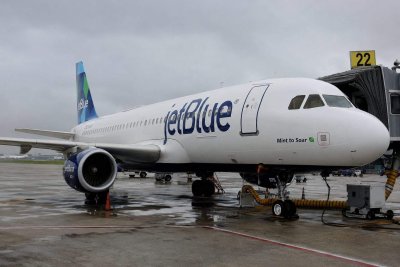
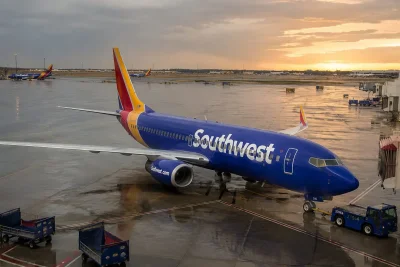
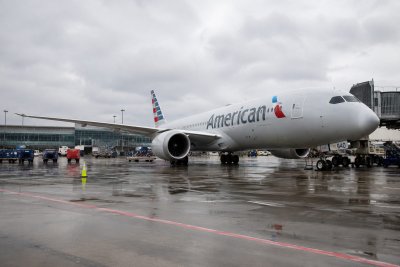
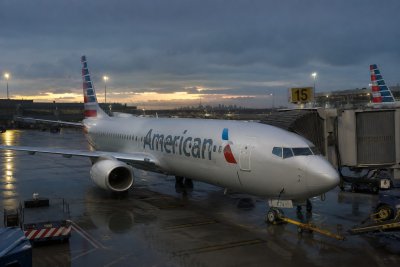
Berkshire previously owned approximately 11% of Delta before selling its entire stake in April 2020, along with positions in American Airlines, Southwest Airlines, and United Airlines. At the time, Warren Buffett remarked that "the world had changed" for the aviation industry.
Context and Challenges
The investment comes at a time when Delta is grappling with higher fuel costs and has trimmed its near-term growth plans. Last month, the airline reduced its planned capacity growth for the June quarter and issued a profit outlook that fell short of Wall Street expectations, warning that higher jet fuel prices would add more than $2 billion to costs.
Delta CEO Ed Bastian noted that the airline woke up to "a very different set of fuel assumptions" than previously anticipated. The company expects to recover only 40% to 50% of the higher fuel costs in the second quarter.
Despite these headwinds, Delta's April update provided some reasons for optimism. The airline projected low-teens revenue growth for the June quarter while keeping capacity flat. Earnings are forecast between $1.00 and $1.50 per share, and Delta's refinery is expected to offset approximately $300 million of fuel costs. Bastian emphasized that "demand remains strong," even as the airline adjusts its capacity plans and works to pass along higher fuel expenses.
Broader Market Implications
Berkshire's move is not necessarily a clear bet on the entire airline sector. While the stake in Delta may reflect confidence in the carrier's brand and focus on premium customers, American, Southwest, and United all face similar challenges from fuel price volatility and fluctuating demand. Airline stocks rallied in April as oil prices eased on ceasefire headlines, highlighting the sector's sensitivity to fuel costs and geopolitical developments.
The filing reflects holdings as of March 31, and it remains uncertain whether Berkshire still holds the same number of shares today. The disclosure is delayed and does not provide real-time trading information.
Oil Price Risks
Oil prices remain a critical wild card for the airline industry. On Friday, Capital Economics warned that Brent crude could surge past $150 per barrel and remain near that level into the end of 2027 if the Iran conflict escalates. Brent was already trading up 3.4% at $109.29 in early Friday trading.
Delta has not yet responded to requests for comment from Reuters. The market is now focused on the fundamentals: Berkshire's return to Delta, the airline's efforts to manage growth and margins, and its bet that strong demand will help it weather another fuel shock.