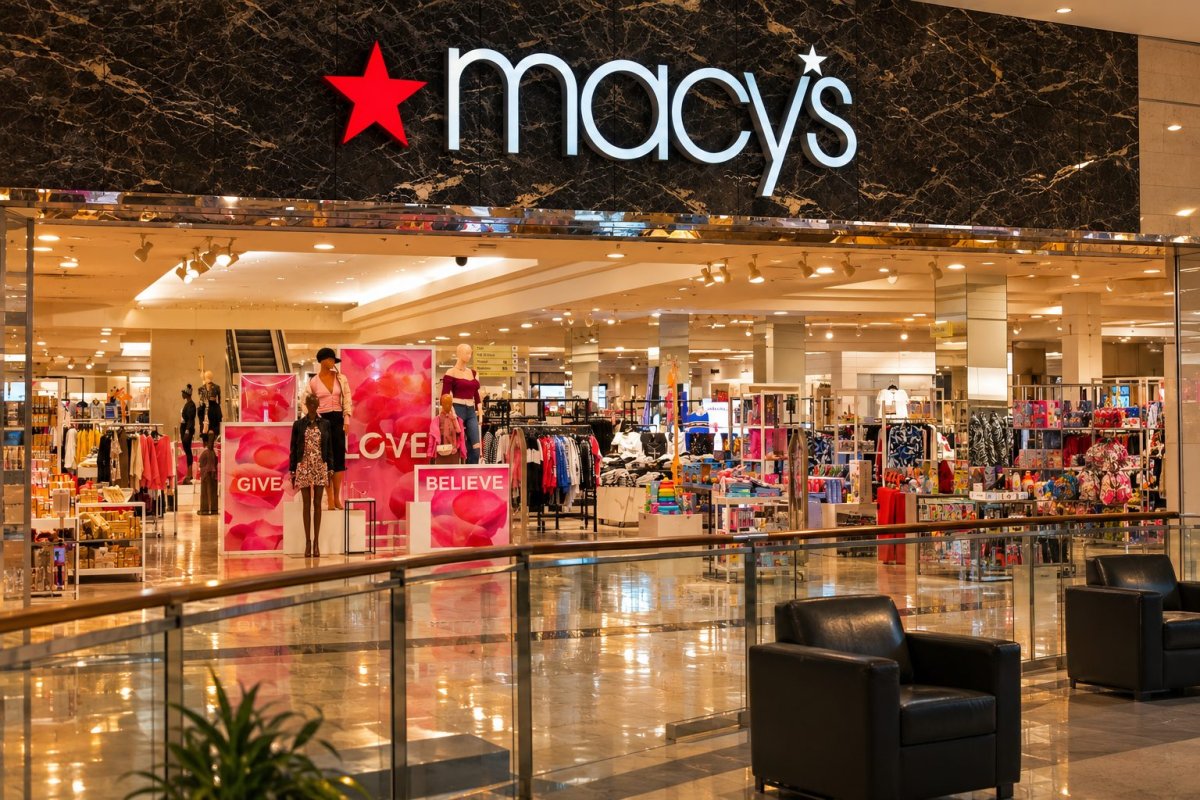
Berkshire Hathaway's latest quarterly filing with the Securities and Exchange Commission revealed a new position in Macy's, valued at approximately $55 million. The disclosure, made after the market close on Friday, sent the retailer's shares up 5.9% in after-hours trading, as investors reacted to the endorsement from Warren Buffett's conglomerate.
The filing, a Form 13F, showed Berkshire held about 3.04 million shares of Macy's across two positions as of March 31. However, these filings are backward-looking, and Berkshire may have adjusted its stake since that date, cautioning investors against reading too much into the news as a current signal.
Dividend Declaration and Turnover Plans
Macy's board declared a regular quarterly dividend of 19.15 cents per share, payable July 1 to shareholders of record as of June 15. The company continues to invest in store upgrades and digital initiatives while maintaining its dividend payout. CEO Tony Spring has emphasized adding "more relevant brands" and investing in staff as part of the retailer's turnaround strategy.
In the fourth quarter, Macy's reported net sales of $7.6 billion, with comparable sales rising 1.8%. Bloomingdale's saw a strong 9.9% comp increase, and Bluemercury also posted solid results. However, the company is bracing for headwinds in fiscal 2026, forecasting net sales between $21.4 billion and $21.65 billion, below the expected $21.8 billion for fiscal 2025. Adjusted EPS guidance stands at $1.90 to $2.10.
Tariff and Consumer Spending Pressures
Tariffs remain a significant concern for Macy's, which sources most of its apparel, home products, and accessories internationally. The retailer has warned that macroeconomic factors and geopolitical tensions could impact discretionary spending, potentially leading consumers to cut back on nonessential purchases. The bulk of tariff impacts are expected in the first half of fiscal 2026, particularly in the first quarter.
This pressure is not unique to Macy's. Kohl's warned in March that its sales for the year could remain flat or decline by up to 2%, as its core low- and middle-income customers continue to seek bargains. Macy's is seeing similar patterns among its primary shoppers, though Bloomingdale's attracts a wealthier clientele.
Berkshire's Broader Portfolio Moves
The stake in Macy's comes as part of Berkshire's broader portfolio adjustments under CEO Greg Abel, who took over after Warren Buffett stepped down. The conglomerate also increased its position in Delta Air Lines and Alphabet, while exiting holdings in Amazon, UnitedHealth, Visa, and Mastercard.
While Berkshire's $55 million bet is relatively small compared to its overall stock portfolio, it provides a sentiment boost for Macy's. However, the retailer still faces significant challenges, including store closures, weak consumer spending, and intense competition from discounters, e-commerce giants, and big-box stores. The real test will come with Macy's upcoming earnings report, where shareholders will seek evidence that the turnaround is translating into sales growth, not just a mention in Berkshire's filing.