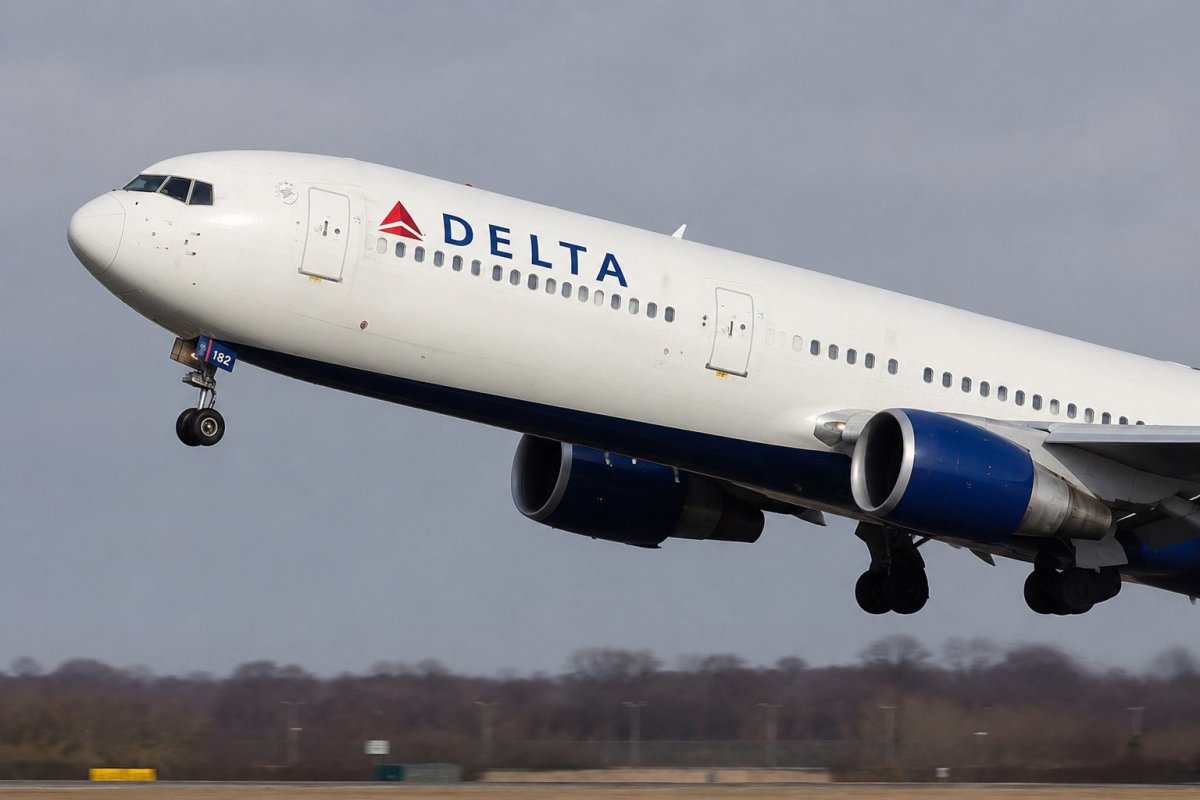
Delta Air Lines (DAL) shares jumped 3.2% to $72.45 in after-hours trading Friday after Berkshire Hathaway disclosed a 6.1% stake worth approximately $2.65 billion as of March 31. The filing, made through a Schedule 13G, revealed that Warren Buffett's firm, along with National Indemnity, held 39.8 million shares, marking a notable return to the airline sector after selling its positions in 2020.
The disclosure came after Delta closed Friday's regular session down 1.84% at $70.23, capping a week that saw the stock lose 4.23%. The after-hours rally, while significant, occurred in thin liquidity, which can amplify price swings. U.S. markets are closed for the weekend, with the NYSE reopening Monday at 9:30 a.m. ET, leaving investors without a full session to digest the news.
Broader Market Context
Friday's broader market decline added pressure to airline stocks. The S&P 500 fell 1.2%, the Dow dropped 1.1%, and the Nasdaq lost 1.5%, as rising oil prices weighed on sentiment. Delta's peers also struggled: United Airlines (UAL) slid 3.30%, and American Airlines (AAL) lost 3.07%.
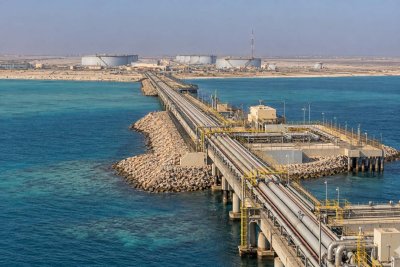
The Berkshire investment comes as airlines grapple with surging jet fuel costs. According to a Reuters industry roundup, prices have climbed from $85-$90 per barrel to $150-$200 per barrel amid the U.S.-Israeli conflict with Iran. Airlines have responded by raising fares, cutting capacity, and adjusting forecasts. Delta, for instance, has reduced capacity by about 3.5 percentage points from its original plan and increased checked-bag fees.
Delta's Financial Position
Despite cost pressures, Delta's fundamentals remain relatively strong. The company reported record March-quarter revenue of $14.2 billion and forecast low-teens revenue growth for the June quarter with flat capacity, citing robust travel demand. CEO Ed Bastian emphasized the "power of our brand," while Chief Commercial Officer Joe Esposito highlighted "broad demand strength across corporate and leisure."
Delta's Monroe Energy refinery provides a partial hedge against fuel costs. The crack spread—the difference between crude oil prices and refined fuel prices—has widened as fuel supplies tighten. Morningstar analyst Nicolas Owens noted that wider crack spreads mean Delta is "essentially paying itself" for some of its fuel. Bastian described the refinery as a "meaningful hedge" but not a complete shield.
Implications of Berkshire's Move
Berkshire's return to airlines marks a significant shift from its 2020 exit, when Buffett famously said "the world had changed" for aviation early in the pandemic. The passive nature of the stake, as indicated in the filing, suggests Berkshire is not seeking to influence Delta's management but rather betting on the sector's recovery.
However, some funds have taken the opposite view. Appaloosa sold its positions in Delta, United, and American in the first quarter, while Duquesne Family Office dropped its American and Delta holdings and reduced its United stake, according to Dow Jones.
Technical Outlook
From a technical perspective, Delta's near-term chart shows potential for further gains if it holds above $72.45. Clearing last Monday's high of $73.08 could open the door to the mid-$70s. Conversely, falling below Friday's low of $69.56 would signal that the Berkshire news alone is insufficient to counter fuel and market headwinds.
As traders look to Monday's open, key factors include whether oil prices build on Friday's gains, how Delta's peers react, and whether Berkshire's backing attracts new long-only buying. The stock's narrative has shifted from purely fuel-cost concerns to whether Berkshire's endorsement can change Wall Street's perception of Delta's premium valuation.