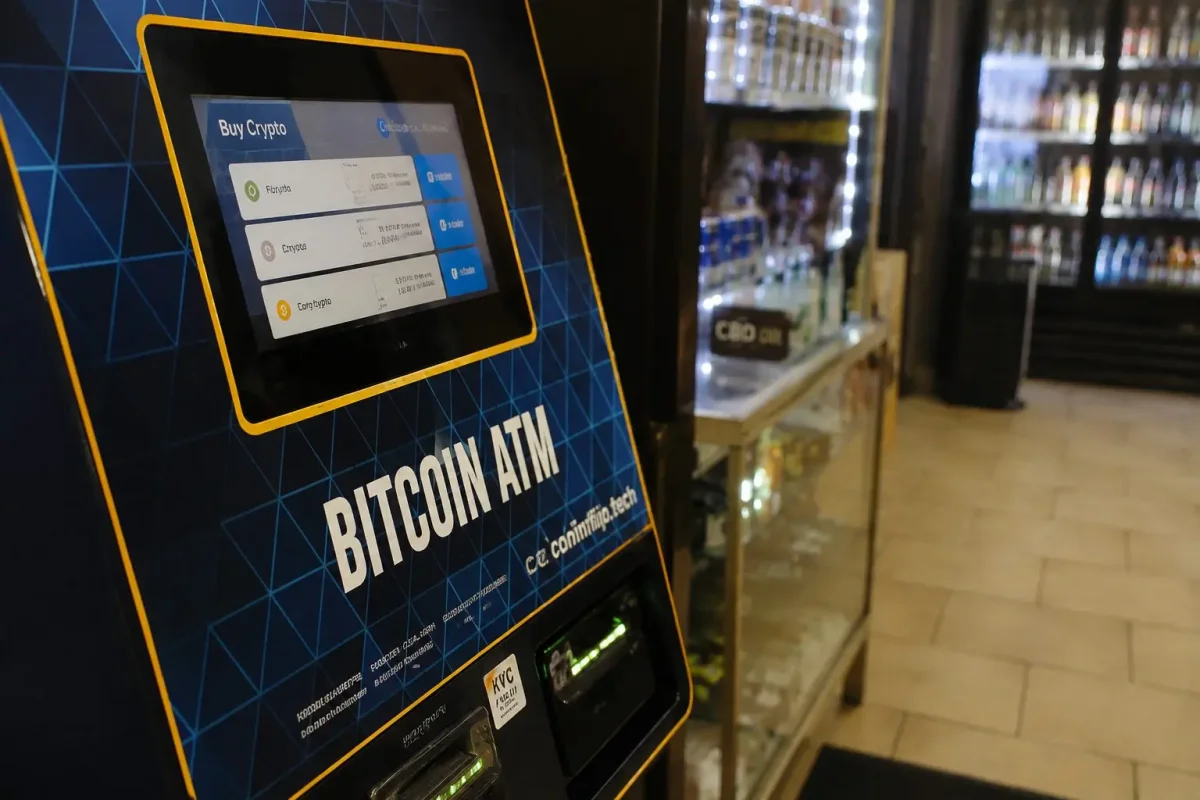
Bitcoin Depot Inc. and its operating subsidiary are confronting a federal class-action lawsuit in Idaho, alleging that fraudsters used the company's cryptocurrency kiosks to siphon $76,000 from a couple. The legal action arrives as the firm navigates bankruptcy proceedings and winds down its ATM network, seeking damages and a jury trial.
Fraud Details and Regulatory Scrutiny
The complaint, filed by Karen and Robert Lacey, describes a scheme that began with a fake Norton support call and escalated with impersonators posing as FBI agents, who claimed the couple's accounts were tied to child pornography and illegal gambling. Between August 9 and August 13, 2025, the Laceys made four deposits at Bitcoin Depot ATMs—two of $25,000 and two of $13,000—totaling $76,000. The suit alleges that Bitcoin Depot processed these large, coached cash deposits without intervention, despite the users being first-time depositors who made repeated visits while receiving phone instructions at the terminal.
Regulatory attention on Bitcoin ATMs has intensified as fraud losses surge. The Federal Trade Commission reported that losses from Bitcoin ATM scams jumped nearly tenfold from 2020 to 2023, exceeding $65 million in the first half of 2024, with median losses of $10,000.
Bankruptcy and Industry Challenges
Bitcoin Depot filed for Chapter 11 bankruptcy on May 19, 2026, in Texas, aiming to wind down, sell assets, and shutter its Bitcoin teller machine network. CEO Alex Holmes attributed the collapse to new state caps, compliance rules, bans, lawsuits, and stepped-up enforcement, calling the current business model unsustainable. The bankruptcy may complicate recovery for victims, as civil claimants must now contend with other creditors, and the Idaho lawsuit still requires class certification.
The company has since implemented tighter fraud checks, enhanced ID verification, new fraud alerts for customers, and reduced transaction limits, according to a May bankruptcy update.
State-Level Crackdowns
Florida is considering HB 505, which would require virtual-currency kiosk operators to register with the Office of Financial Regulation, post fraud warnings, set daily limits of $2,000 for new users and $10,000 for existing customers, and refund a first transaction within 72 hours if the customer meets reporting rules. Most provisions would take effect January 1, 2027, if signed into law.
Missouri Attorney General Catherine Hanaway has filed a lawsuit against GPD Holdings LLC, operator of CoinFlip, accusing the company of knowingly facilitating scam transactions. Hanaway described Bitcoin and crypto ATMs as "new getaway cars for fraud." CoinFlip has denied the allegations, calling the suit meritless. Marc Grens, a former operator of DigitalMint crypto ATMs, told ICIJ he left the industry because scams were pervasive, noting that "cleaning up fraud means you're not making revenue."
Victim Impact and Legal Outlook
After the scam, Bitcoin Depot sent two $1,000 refund checks following intervention by the couple's son, who hired a lawyer and filed a complaint with the FBI's Internet Crime Complaint Center. The complaint argues this amount does not compensate for the fees collected. Karen Lacey, who had retired, returned to working hospital shifts after losing her savings. The Idaho lawsuit seeks class action status, restitution, damages, and a court order for new protections, questioning whether a warning screen is sufficient when a frightened customer is still depositing cash under a scammer's direction.
