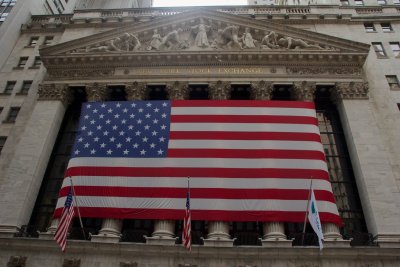
Digital asset markets navigated a volatile weekend session as escalating military action in the Middle East sent shockwaves through global commodity markets. Bitcoin, the leading cryptocurrency, demonstrated relative stability, trading near the $67,000 level while traditional financial markets remained closed.
Geopolitical Shock Drives Commodity Surge
The catalyst for the weekend's turbulence was a series of strikes by the United States and Israel on Iranian targets. This development triggered immediate fears of potential disruptions to critical oil shipping lanes, most notably the Strait of Hormuz. In response, the price of Brent crude oil surged approximately 10% in over-the-counter trading, breaching the $80 per barrel threshold. Analysts highlighted that any sustained closure of the Strait, a vital chokepoint for global oil shipments, could have severe implications for energy costs worldwide.
This spike in energy prices has direct consequences for financial markets, primarily through the inflation channel. Higher oil prices typically translate into broader inflationary pressures, which could compel central banks, particularly the Federal Reserve, to maintain a restrictive monetary policy with elevated interest rates for longer. Such an environment is historically challenging for risk-sensitive assets, including technology stocks and cryptocurrencies, which have recently correlated more closely with traditional risk appetite.
Bitcoin's Weekend Performance and Context
According to data from CoinMarketCap, Bitcoin's price appreciated roughly 2.7% on Sunday to settle at $66,898. The digital asset experienced significant intraday swings, trading between $64,873 and $68,163 within a 24-hour period. Despite this gain, Bitcoin remains substantially below its all-time high, trading approximately 47% under the record peak of $126,198 reached in October 2025.
The weekend activity underscored Bitcoin's evolving market role. Its initial price decline following the news on Saturday illustrated its current behavior as a risk asset, rather than a consistent safe haven during geopolitical strife. However, its subsequent recovery and continuous trading—while equity and oil futures markets were shut—highlighted its unique characteristic as a perpetually open, liquid market that can react to news flows in real-time.
ETF Flows and Broader Crypto Moves
Investor sentiment toward Bitcoin exchange-traded funds (ETFs) showed signs of caution ahead of the weekend turmoil. Data from Farside Investors revealed that U.S. spot Bitcoin ETFs collectively experienced net outflows of $27.5 million on Friday. A significant portion of this movement came from BlackRock's iShares Bitcoin Trust (IBIT), which alone recorded outflows of $32.7 million.
Ethereum, the second-largest cryptocurrency, mirrored Bitcoin's upward move, climbing about 3.6% to trade near $1,973. The broader altcoin market often takes directional cues from Bitcoin's performance, especially during periods of macro-driven uncertainty.
The Macro Backdrop: Jobs Report Looms Large
Looking beyond the immediate geopolitical headlines, traders are preparing for a pivotal U.S. macroeconomic data release. The February non-farm payrolls report, scheduled for Friday, March 6, is expected to provide critical insight into the health of the American labor market and influence the Federal Reserve's policy path. Economists surveyed by Reuters anticipate the economy added 60,000 jobs in February, a notable deceleration from the 130,000 jobs added in January.
A stronger-than-expected report could dampen expectations for imminent interest rate cuts, potentially pressuring risk assets. Conversely, a weaker report might bolster the case for monetary easing. Barclays analysts noted in a weekend commentary that markets may not be fully pricing in the risks of a broader regional conflict, while others cautioned that a sustained oil price rally could complicate the inflation narrative just as investors hope for rate relief.
Market Implications and Path Forward
The immediate trajectory for markets hinges on two factors: the evolution of Middle East tensions and the incoming U.S. economic data. If geopolitical risks de-escalate rapidly, the "risk premium" built into oil prices could unwind, potentially lifting sentiment across risk assets. In such a scenario, Bitcoin could see a sharp upward move, especially in a low-liquidity environment.
For the week ahead, traders will closely monitor Monday's reopening of oil futures and equity markets for continued reaction. Further headlines regarding Gulf shipping security will be a key sentiment driver. Ultimately, the U.S. jobs report on Friday stands as the next major scheduled catalyst that could redefine expectations for monetary policy and capital flows for the remainder of the month.