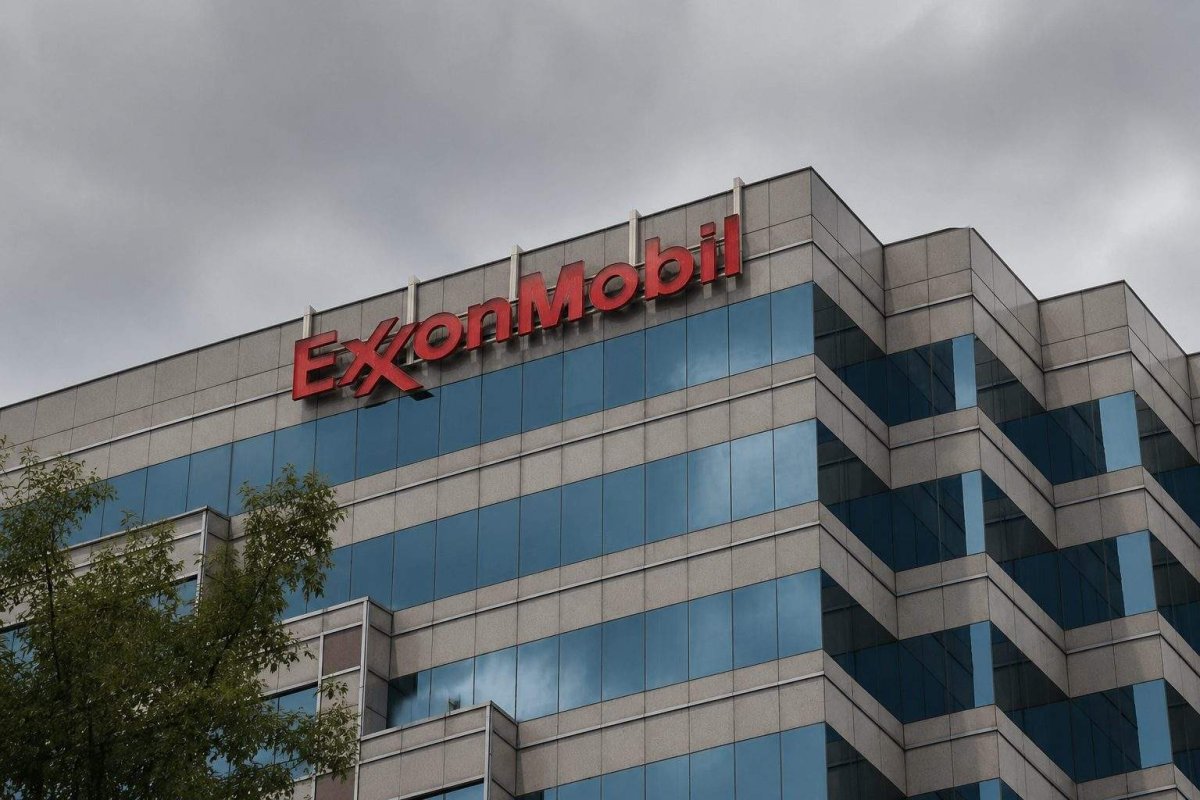
Exxon Mobil senior vice president Neil Chapman issued a stark warning at a Bernstein investor conference, stating that crude oil prices could surge to $150-$160 per barrel within weeks if global inventories fall to minimum levels. The alert adds significant pressure to already volatile energy markets, even as futures slipped on hopes for a U.S.-Iran ceasefire.
Chapman described the current inventory situation as “unheard of,” noting that once stockpiles hit bottom, prices can “shoot up.” Brent crude closed Friday at $92.05 per barrel, while U.S. West Texas Intermediate settled at $87.36. The warning comes as traders bet on a diplomatic resolution, but executives remain focused on real-world oil flows.
Hormuz Blockade and Supply Fears
The Strait of Hormuz remains a critical chokepoint, with shipping volumes still far below pre-war levels. “I’m surprised prices aren’t higher,” said John Kilduff, partner at Again Capital. UBS analyst Giovanni Staunovo emphasized that low inventories are the key factor, even with all the attention on potential deals.
Chapman noted that the market impact has been softened by existing crude and fuel inventories, oil from emergency reserves, and sanctioned oil still at sea. He told Fox Business that commercial stocks of crude, gasoline, diesel, and jet fuel have dropped, delaying the full effects of the disruption.
Exxon’s Legal Move to Texas
Exxon Mobil wrapped up its legal move to Texas just days before the warning, after shareholders backed the shift from New Jersey. A filing Friday showed 71.2% of votes supported changing Exxon’s legal home, with 28.8% voting no. The company calls the change “alignment,” not a relocation, noting its headquarters have been in Texas since 1989.
CEO Darren Woods said in March that “aligning our legal home with our operating home” mattered to the company. Shareholders faced opposition from proxy firms Glass Lewis and Institutional Shareholder Services, which recommended against the change, citing potential impacts on shareholder rights. Exxon said it would not use Texas rules to roll back investor protections.
Chevron Echoes Warning
Chevron CEO Mike Wirth echoed Exxon’s message, telling the Financial Times he expects oil prices to climb in the next two months as crude stockpiles drop and the Hormuz blockade pulls 12 million to 13 million barrels per day from global supply, draining what he called the market’s “shock absorbers.” Wirth also told Bloomberg TV that Chevron will not pay a toll to move ships through the Strait of Hormuz, noting several vessels have come under attack recently.
Shipowners and insurers, he said, need to regain confidence before trade returns to normal. However, the price outlook is not one-sided. If a deal opens Hormuz with no tolls and lower war-risk insurance, prices could fall just as quickly. But a partial reopening or disputed terms may leave traders without clear direction.
Diplomatic Uncertainty
Diplomacy could lag behind inventory declines. U.S. Defense Secretary Pete Hegseth said Saturday the U.S. was prepared to resume strikes on Iran if talks break down, as negotiators worked through significant differences. Reuters reported that the war has driven up energy prices worldwide due to Iran’s near shutdown of Hormuz.
On Friday, Reuters said President Trump told negotiators to have the strait “immediately open, no tolls,” while Iranian officials indicated any opening depends on Tehran’s terms, and only after the U.S. lifts its blockade. The standoff leaves oil markets on edge, with the potential for both sharp spikes and sudden declines depending on diplomatic outcomes.