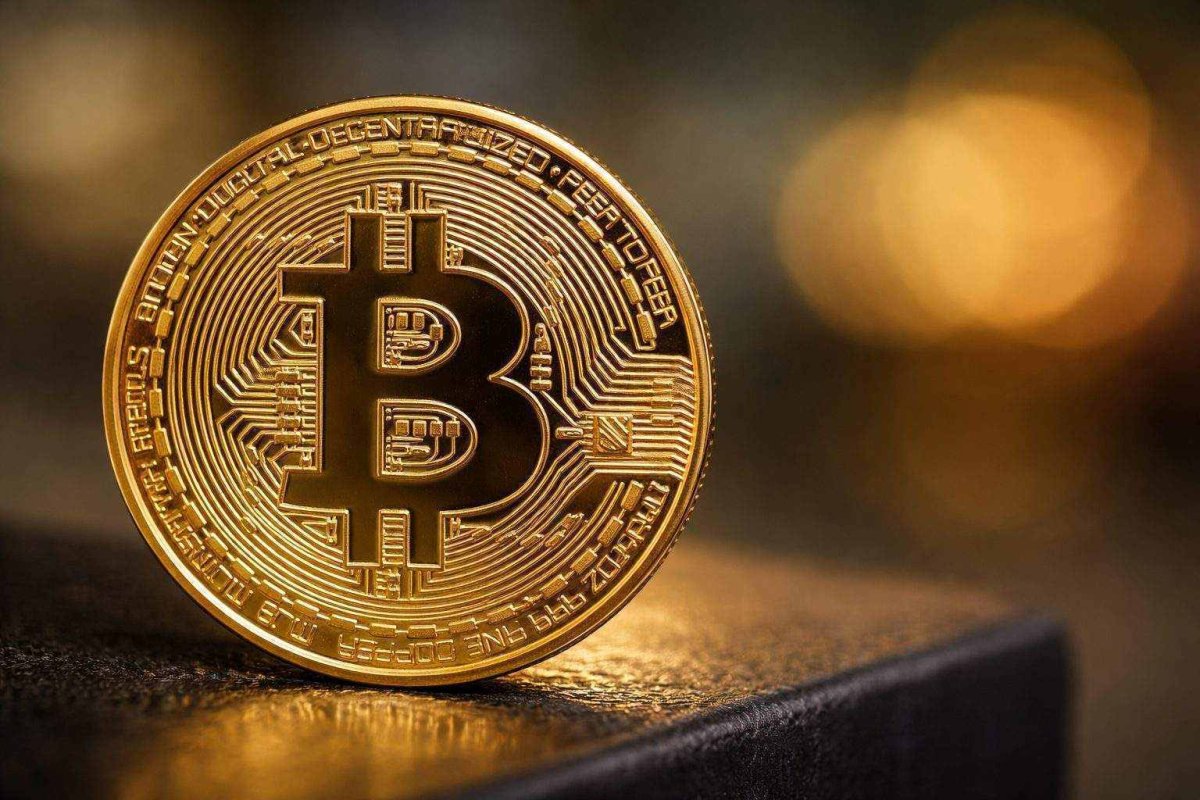
Bitcoin demonstrated resilience on Monday, stabilizing just below the $68,000 threshold after a volatile session that saw it rebound from an intraday low. The leading cryptocurrency was last quoted at $67,954, marking a modest 0.2% increase after earlier plunging to $65,688. Ethereum, the second-largest digital asset, posted a stronger performance, gaining 1.7% to trade at $2,002.
Macroeconomic Headwinds Drive Market Sentiment
The cryptocurrency market's trajectory remains tightly coupled with broader macroeconomic signals. A significant shock came from the energy sector, where Brent crude oil futures surged to $119.50 per barrel. Concurrently, equity markets faced pressure, with Nasdaq 100 futures declining 1.65%. This environment has led traders to reassess the likelihood of imminent interest rate cuts by the Federal Reserve, especially with key U.S. inflation data scheduled for release on Wednesday and the Fed's policy meeting set for March 18.
Spot Bitcoin ETFs See Sustained Outflows
Adding to the complex landscape, the nascent U.S. spot Bitcoin exchange-traded fund market experienced notable capital flight. Data from Farside Investors revealed net outflows of $348.9 million on March 6, following withdrawals of $227.9 million the previous day. These funds, which hold bitcoin directly, have now seen more investor cash exit than enter over this period, indicating a shift in short-term sentiment among institutional and retail participants.
Analysts link the cautious stance to the inflationary pressures signaled by soaring energy costs. Iliya Kalchev, an analyst at Nexo, noted that oil prices breaching the $100-per-barrel level have directly pushed up inflation expectations, eroding earlier optimism for a swift pivot to monetary easing by the Fed. He added that the current tightening in financial conditions stems more from investors demanding additional protection for riskier assets rather than from an explicit change in central bank policy.
Broader Market Tone Remains Cautious
The overall market mood was decidedly risk-off. Tony Sycamore, a market analyst at IG, pointed to ongoing geopolitical tensions in the Middle East, stating there is "no obvious offramp" for the conflict. Helima Croft of RBC Capital Markets characterized the situation as the "worst oil supply shock since the 1970s," underscoring the severity of the disruption.
Bitcoin managed a slight recovery as oil prices retreated from their session highs, though crude remained up over 15% for the day. According to a French government source, finance chiefs from the Group of Seven (G7) nations are preparing to discuss a coordinated release of emergency oil reserves, with the International Energy Agency expected to participate in the talks—a potential measure to calm markets.
Cryptocurrency's Integration with Traditional Finance
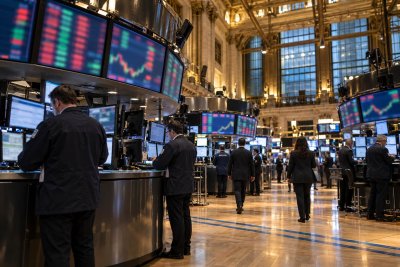
The recent price action underscores how deeply interconnected digital assets have become with traditional volatile markets. Bitcoin had skyrocketed past $126,000 in early October before sharply retracing. The latest wave of liquidations, alongside significant moves in equities and precious metals, exposes the extent to which cryptocurrency valuations are now swayed by the same macroeconomic tides that rock other risk-sensitive asset classes.
The current setup is fragile. Investor nerves were already frayed following weaker-than-expected U.S. labor data for February, which revealed surprise job losses and an uptick in the unemployment rate. The oil market itself is primed for further volatility. Muyu Xu of Kpler warned of a "perfect storm" scenario, suggesting that persistent disruption in the critical Strait of Hormuz could propel crude prices to between $130 and $150 per barrel if the situation continues for another week or two.
Looking ahead, analysts suggest that a rapid retreat in crude oil prices or softer upcoming inflation figures could provide bitcoin and other risk assets with much-needed breathing room. Until then, the market remains in a holding pattern, balancing internal dynamics against a fraught global economic backdrop.