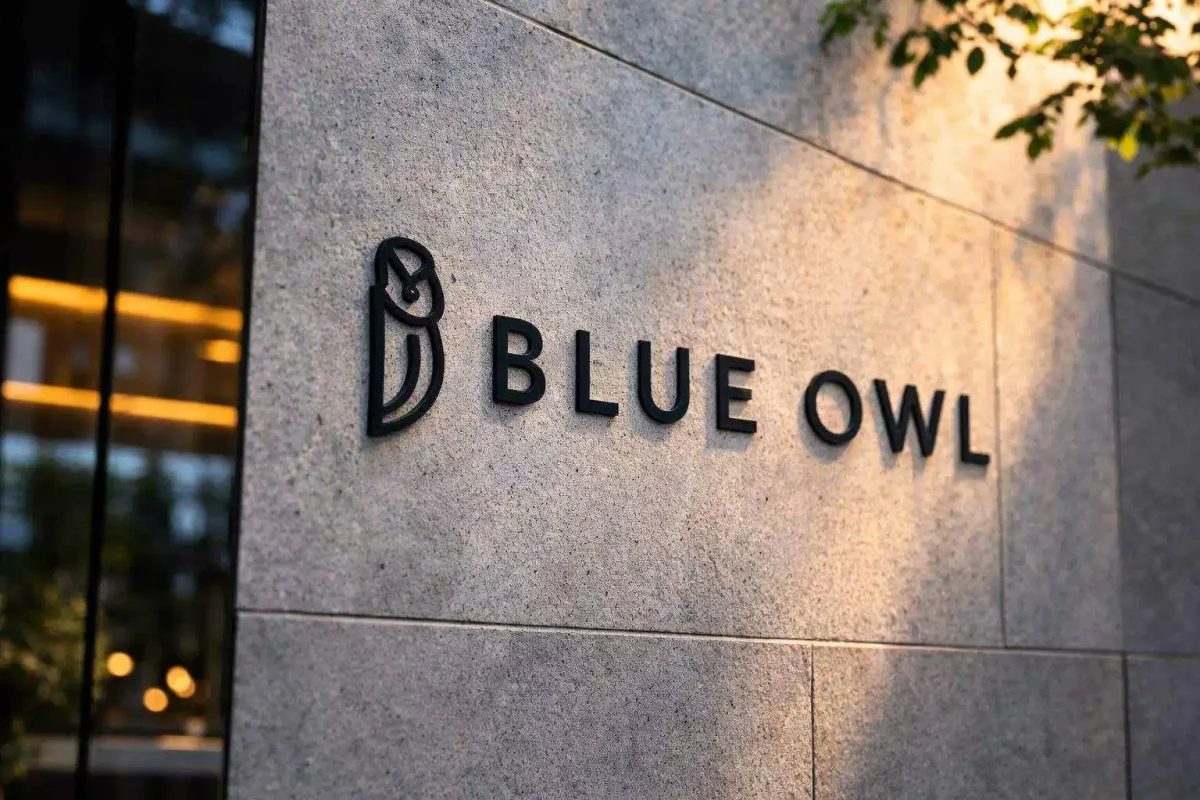
Shares of Blue Owl Capital moved higher during Friday trading, closing at $8.80 for a gain of approximately 2.2%. The advance mirrored a broader uptick among major alternative-asset managers, with Ares Management rising 4.6% and Blackstone adding 4.1% on the same day. This collective movement suggested a tentative return of positive momentum for the sector, which has faced significant investor scrutiny in recent months.
Private Credit Under the Microscope
Blue Owl has emerged as a key bellwether for the expansive private credit market, a $2 trillion domain where non-bank lenders provide financing directly to companies. The core concern among market participants centers on whether the asset values assigned by fund managers accurately reflect underlying economic reality, especially as market conditions soften. Portfolios with significant exposure to software-related deals are viewed as particularly vulnerable given recent volatility and tightening liquidity.
These valuation doubts were amplified this week by actions from major financial institutions. JPMorgan Chase reduced the carrying values on a selection of loans connected to private-credit funds, citing volatility linked to software assets. Concurrently, analysts at Glendon Capital, referencing internal documents, alleged that Blue Owl and several peers have not fully reflected portfolio losses in their reported marks.
Liquidity Pressures Emerge
Further signaling strain, Morgan Stanley imposed new withdrawal limits on one of its private-credit funds after redemption requests surged to nearly 11% of the fund's outstanding shares. The bank stated the measure was a precaution to avoid forced asset sales during a period of market dislocation, aiming to protect remaining investors.
The skepticism is visibly priced into publicly traded vehicles that offer retail access to private loans. Business development companies (BDCs) currently trade at an average of 78 cents for each dollar of their reported net asset value, a notable decline from 85 cents at the start of the year, according to data from Morningstar. One standout, Blue Owl Technology Finance, was trading at a steep discount of just 68 cents on the dollar, per a Raymond James report.
Analyst Perspectives on the Discount
Market analysts interpret these deep discounts as a clear signal of investor apprehension. Jack Shannon of Morningstar observed that the market is behaving as if the sector's most prosperous period has concluded, following years of rapid growth that intensified competition and compressed returns. Glenn Schorr of Evercore ISI added that the widening discounts reflect heightened worries about recession risk and the potential for future loan losses within private credit portfolios.
Blue Owl management has actively addressed these concerns. Co-President Craig Packer, in comments reported by Bloomberg, reassured investors regarding the firm's recent $1.4 billion loan sale. He emphasized that the buyers conducted independent due diligence and that the transaction involved no special arrangements or concessions, implying the sale price reflected fair market value.
The Defining .4 Billion Sale
The February transaction remains a focal point for the stock. Blue Owl sold $1.4 billion in loans from three credit vehicles, with the stated goals of returning capital to investors and reducing leverage. At the time, Packer explained to analysts that the firm was not halting redemptions but rather altering the method by which it fulfilled them. The company reported the loans were sold at 99.7% of their par value, effectively at full price.
Despite Friday's gains, a single positive trading session is unlikely to resolve the broader debate surrounding private credit. Each new report of a markdown, dispute over asset values, or imposition of redemption limits erodes confidence in the accuracy of manager-reported numbers. This erosion of trust presents a significant headwind for a market that has grown rapidly but now faces its first major test during a less accommodative economic cycle.
Blue Owl Capital, headquartered in New York, managed over $300 billion in assets as of the end of December. The stock traded between $8.46 and $8.91 on Friday, indicating that while buyers were present, trading activity remained measured against the backdrop of ongoing sector-wide uncertainties.