Brazil has postponed its decision to eliminate the gasoline subsidy until next week, as the government proceeds with a plan to restructure rural debt. This delay has refocused market attention on inflation risks and fiscal concerns, according to Finance Minister Dario Durigan, who linked the postponement to new uncertainties stemming from the Iran conflict. The rural debt package is expected to cover over 100 billion reais in renegotiated loans.
Subsidy Costs and Fiscal Picture
The subsidy, which currently stands at 0.44 real per liter for gasoline, costs the government approximately 1.2 billion reais per month, based on May guidance. Total tax breaks and incentives for fuel are estimated at around 13 billion reais, with the emergency fuel-aid package costing up to 2.9 billion reais monthly for gasoline and diesel. Brazil's nominal deficit, including interest payments, is at 9.6% of GDP, making the subsidy's removal a key fiscal priority.
Planning and Budget Minister Bruno Moretti indicated the gasoline subsidy will be phased out in a "much shorter" timeframe than the 1.12-real-per-liter diesel subsidy, warning that a rapid end to diesel support could trigger price spikes or supply disruptions. The government maintains its target of a primary surplus of 0.25% of GDP for the year.
Oil Market and Geopolitical Context
Brent crude edged down 0.1% to $77.91 per barrel on Thursday, amid heightened tensions from U.S. strikes on Iran and Iranian attacks in the Gulf, raising concerns about the Strait of Hormuz. Saxo Bank analyst Ole Hansen described the market as "very nervous," while WisdomTree's Aneeka Gupta expects Brent to trade between $75 and $85 over the next month.
Petrobras CEO Magda Chambriard recently stated the oil market is "not yet back to normal," with a new range around $72-$75, though that level is already under pressure. The delayed decision on gasoline is seen as more political than a standard tax adjustment.
Impact on Key Companies
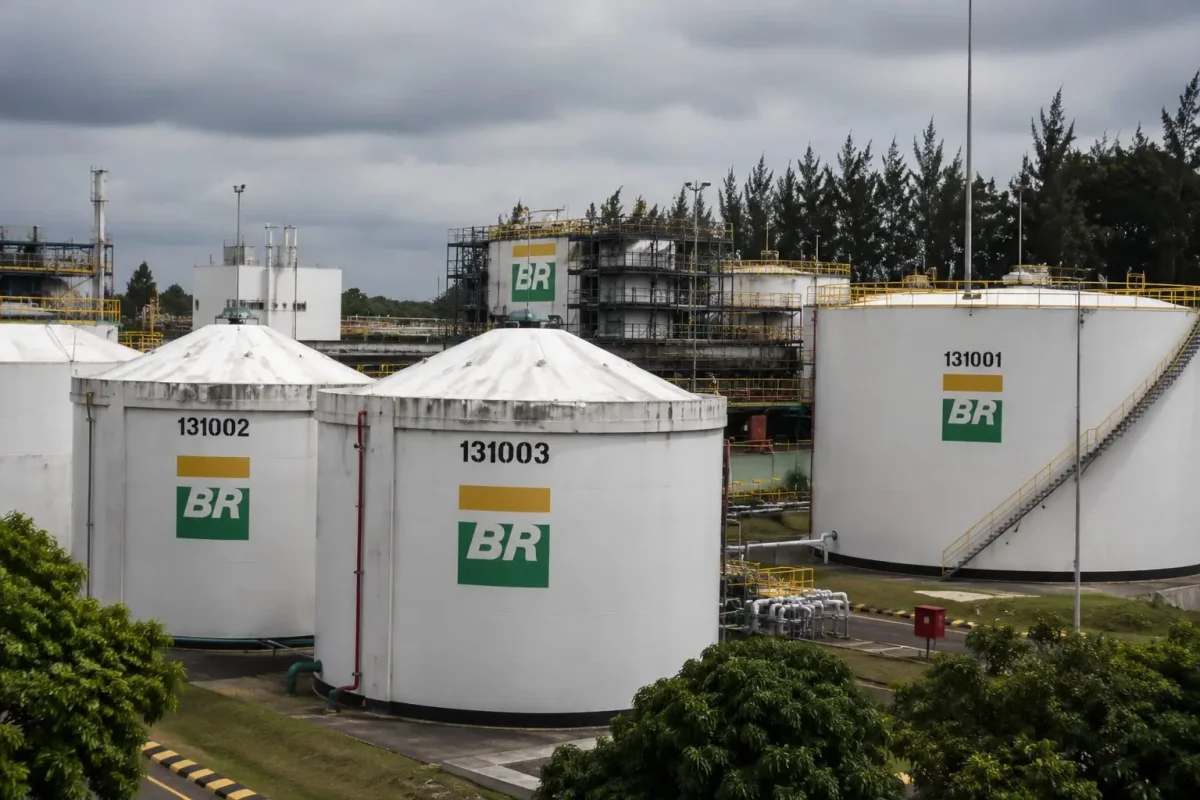
Petrobras (BVMF:PETR4) sits at the center of the issue, having adjusted diesel invoice terms while keeping distributor prices unchanged at 3.30 reais per liter. For fuel distributors like Vibra Energia (BVMF:VBBR3) and Ultrapar (BVMF:UGPA3), stability in wholesale prices supports volumes and working capital, but swings at the pump could cut demand or squeeze margins. Raízen (BVMF:RAIZ4) could benefit from increased ethanol blending, though delays in mandates or rising feedstock costs may offset gains.
Investor Outlook
If oil prices surge or the real weakens, the Treasury may extend gasoline relief longer than planned. A broader rural debt plan pushed by Congress or farm groups could push the annual cost above the current 2-3 billion real estimate, especially if implicit subsidies or off-book benefits are included. Treasury Secretary Rogerio Ceron noted in June that subsidies could be removed carefully if crude held near $80, but called the next 30 days critical.
For investors, next week's decision on gasoline will signal the government's willingness to accept higher inflation in exchange for fiscal discipline. Delaying the move suggests that oil shock risks remain a greater concern than fiscal optics, while the rural debt measure, though less noisy, may have longer-lasting implications.