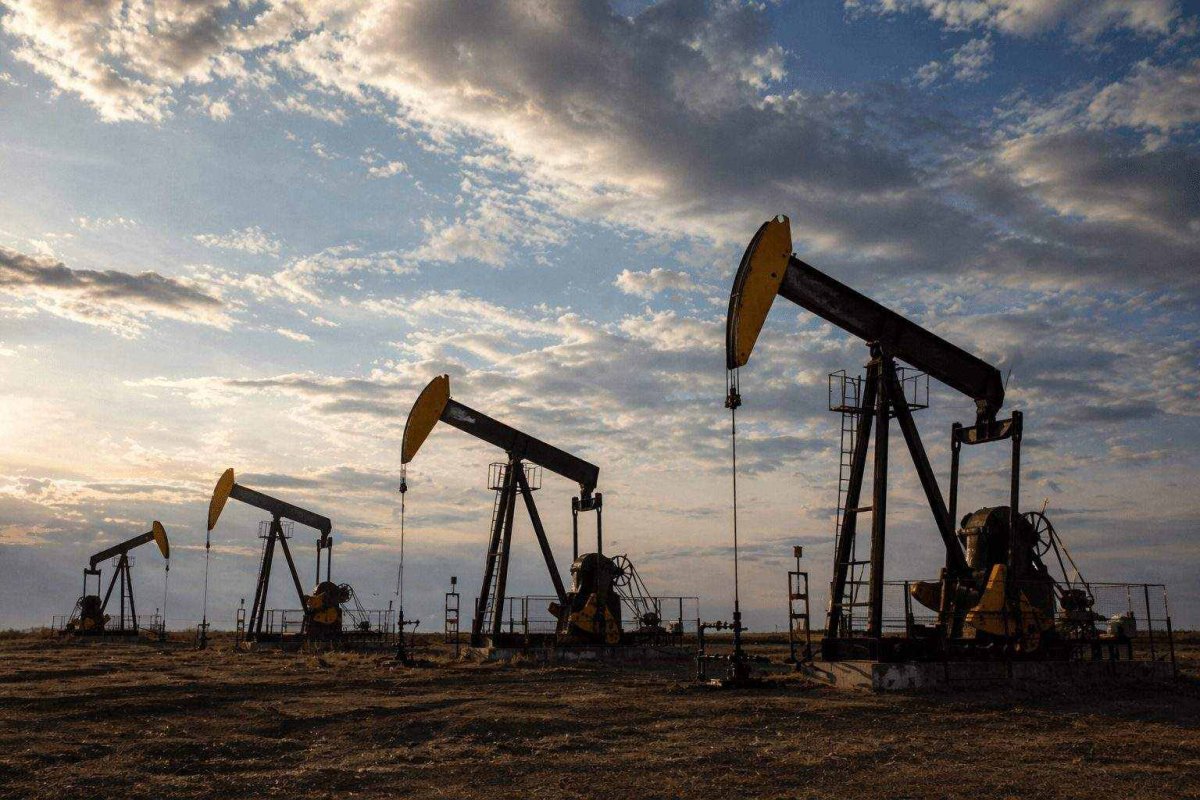
Oil markets rallied sharply on Friday, with Brent crude climbing above $106 a barrel and West Texas Intermediate approaching $97, as renewed military confrontations in the Strait of Hormuz intensified supply concerns. The spike pushed both benchmarks toward weekly gains of more than 15%, marking one of the most dramatic rallies since regional hostilities escalated.
The Strait of Hormuz, a critical chokepoint for global oil shipments, saw fresh tensions after President Donald Trump ordered U.S. forces to target Iranian boats following new clashes. Iran's Revolutionary Guard had reportedly seized control of several vessels, while the U.S. intercepted a tanker linked to Iranian oil smuggling. Diplomatic talks between Washington and Tehran remain stalled, leaving traders to price in elevated risk premiums.
According to the International Energy Agency, roughly 20 million barrels per day of crude and refined products transited the strait in 2025, representing about a quarter of global seaborne oil trade. With limited alternative pipeline capacity, any disruption at this chokepoint tends to ripple through worldwide prices immediately.
On the supply side, U.S. commercial crude inventories rose by 1.9 million barrels during the week ending April 17, according to the Energy Information Administration. However, gasoline stocks fell sharply by 4.6 million barrels, and distillate fuel inventories—including diesel and heating oil—dropped by 3.4 million barrels. Distillates now sit roughly 8% below their five-year seasonal average, adding to concerns about fuel availability as summer driving season approaches.
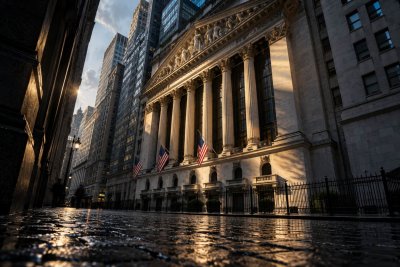
The impact was felt across financial markets. Wall Street stocks lost ground on Thursday as oil prices surged, with WTI closing at $95.85, up 3.11%, and Brent gaining 3.10% to finish at $105.07. Scott Ladner, chief investment officer at Horizon, noted that while headline-driven swings have been shorter-lived recently, they still have the power to shake markets for a day or two.
Market strategists warn that the path forward remains uncertain. Vishnu Varathan, head of macro strategy for Asia-Pacific at Mizuho, said the situation is unlikely to see a linear de-escalation, pointing to the interplay of violence, oil prices, and volatility. Jane Foley at Rabobank flagged another concern: persistently high energy costs could make central banks hesitant to proceed with further rate hikes, potentially complicating monetary policy decisions.
Goldman Sachs analysts noted that Gulf oil flows could largely recover within a few months if the Strait of Hormuz reopens. However, they estimated that April's shuttered Gulf crude supply reached 14.5 million barrels per day and cautioned that tanker availability and well performance issues could delay the pace of any rebound.
For now, oil prices are driven less by individual inventory reports and more by the latest shipping updates. If the strait reopens smoothly, the recent rally could face a swift reversal. Conversely, renewed attacks, stalled negotiations, or mine-clearing setbacks will keep traders paying a premium for protection against supply disruptions.