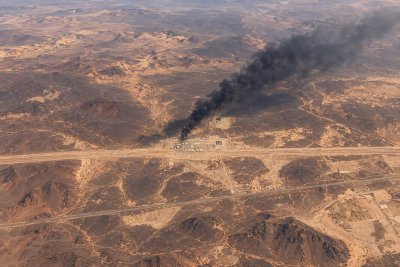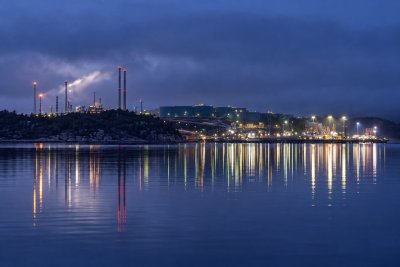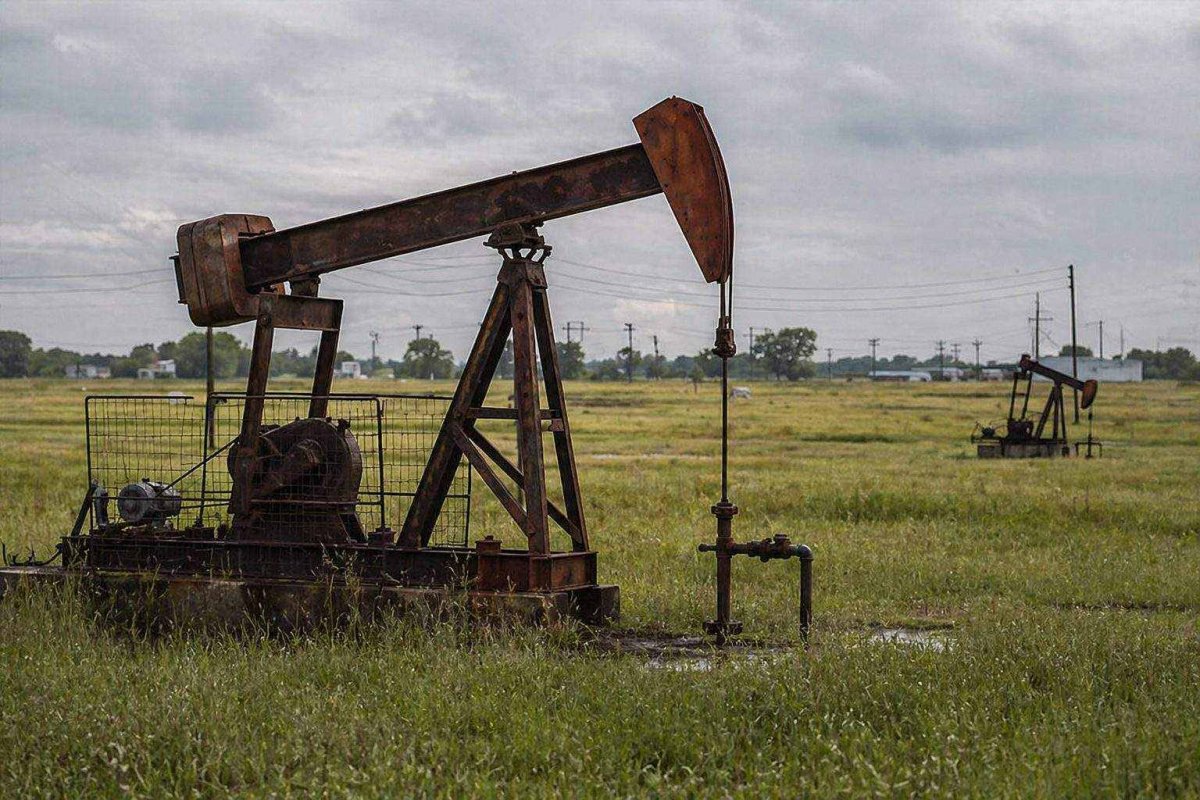
Brent crude oil futures briefly surged past $126 a barrel on Thursday, reaching their highest level in four years, as escalating tensions between the United States and Iran continued to disrupt global energy markets. The spike came amid a prolonged closure of the Strait of Hormuz, a critical chokepoint for roughly 20% of the world's oil and liquefied natural gas, and the possibility of renewed US military strikes against Iranian targets.
Gasoline Prices Hit Four-Year High
The impact of the oil shock is now being felt directly at the pump. According to AAA data, the US national average for regular gasoline rose to $4.300 per gallon on April 30, up 27 cents from the prior week and a sharp increase from $3.183 a year ago. That marks the highest reading in four years, squeezing household budgets and raising concerns about broader inflationary pressures.
Strait of Hormuz Remains Closed
The Strait of Hormuz has been effectively shut for two months amid the ongoing US-Israeli conflict with Iran, despite a ceasefire that took effect on April 8. Shipping data from Reuters shows that only a handful of Iranian crude carriers exited the Gulf of Oman between April 13 and April 25, representing an 80% drop compared to a similar period in March. US Central Command reported 41 tankers carrying roughly 69 million barrels of oil are currently idle in the region.
Washington Seeks Maritime Coalition, Taps Strategic Reserves
The Trump administration is actively courting partner nations to join a Maritime Freedom Construct (MFC) aimed at safely escorting vessels through the strait, according to a State Department cable. At the same time, the administration announced plans to loan up to 92.5 million barrels from the Strategic Petroleum Reserve (SPR) to energy firms, part of a broader International Energy Agency effort to release approximately 400 million barrels onto global markets.
Iran Warns of Retaliation
Iran has ratcheted up the rhetoric, with a senior Revolutionary Guards figure warning of “long and painful strikes” on US targets in the region if Washington launches another attack. Supreme Leader Mojtaba Khamenei has made clear that Tehran intends to maintain its grip on the waterway, according to Reuters. Diplomacy remains stalled, with Tehran insisting on negotiations to reopen the strait before any further moves, while Trump refuses any agreement that does not place limits on Iran's nuclear activities.
Market Analysts Warn of Supply Crunch
Analysts at ING, led by Warren Patterson and Ewa Manthey, note that the market has shifted from “over-optimism” to a sharper focus on actual risks tied to Persian Gulf supply interruptions. They warn that if disruptions drag on, prices may need to climb high enough to dent demand—a scenario that could squeeze consumption and further strain the global economy. Vandana Hari of Vanda Insights told Bloomberg that prices “had nowhere to go but up” until there is some sign the Strait of Hormuz reopens.
Brent crude later pulled back to around $114 by 8 a.m. Eastern, while US benchmark West Texas Intermediate hovered near $104. The most-traded Brent futures contracts were near $110 after a choppy June expiry, according to Bloomberg.
Producers Face Logistics Snags
Even with speculation that the United Arab Emirates might leave OPEC, the near-term supply landscape remains choked by logistical bottlenecks. Gulf producers such as Saudi Arabia, Iraq, and the UAE all face the same shipping squeeze. Simon Flowers of Wood Mackenzie estimates an UAE departure would barely shift 2026 fundamentals, assuming the Strait of Hormuz reopens.
Risks remain two-sided: crude could shed its war premium quickly if a surprise deal reopens the strait, but any fresh US strikes or Iranian moves could push prices back up. Bridget Payne of Oxford Economics warned that if the strait remains largely closed for several more months, record prices are still possible.