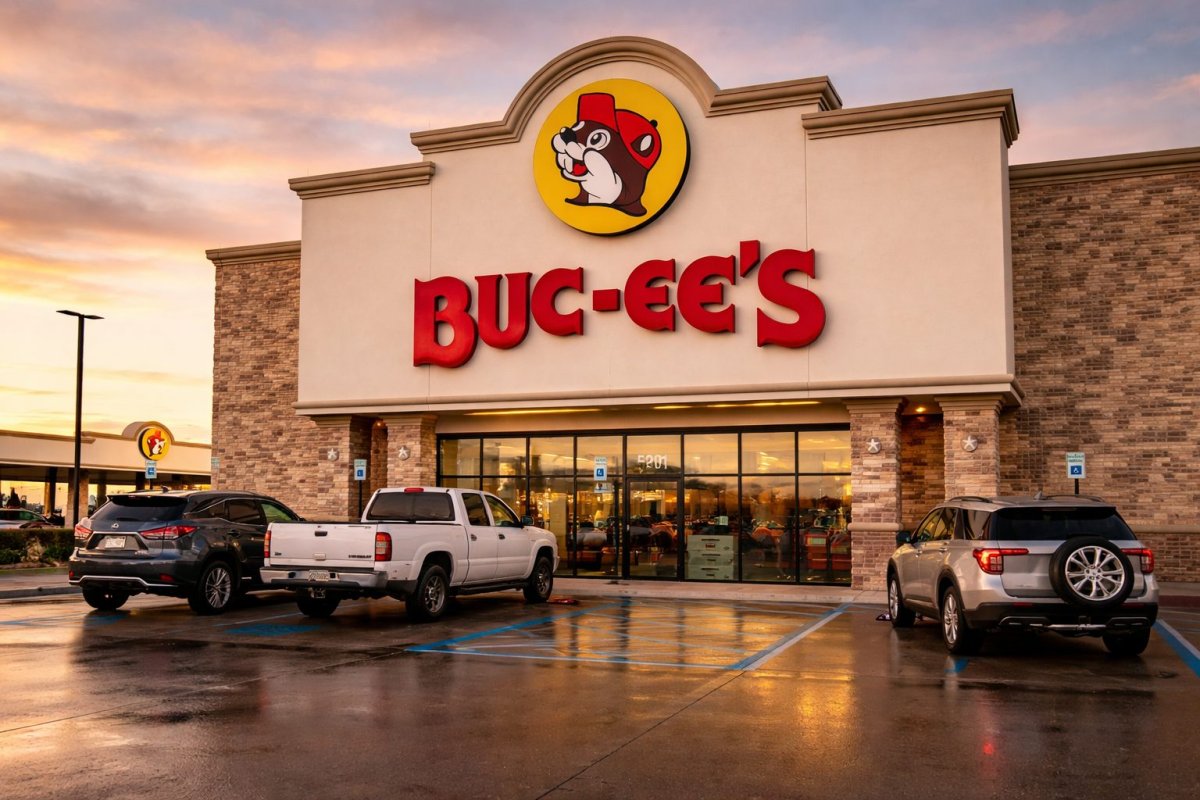
In a notable strategic pivot, the popular Texas-based travel center chain Buc-ee's is preparing to close one of its established locations. The store at 2318 West Main Street in Port Lavaca, Texas, which has operated since its opening in the year 2000, is slated for conversion into a 7-Eleven convenience store. The new outlet is expected to incorporate a Laredo Taco Company restaurant, a house Mexican food brand for 7-Eleven.
A Rare Closure for an Expanding Brand
This move is significant because Buc-ee's has built its reputation on aggressive expansion with large-format travel centers, not on shuttering existing stores. The Port Lavaca location, identified internally as Store No. 12, is one of the chain's smaller, older formats. Its planned closure contrasts with the company's announced strategy to open new, larger destinations in Texas, including sites in San Marcos scheduled for July 2026 and in Boerne for 2027.
City officials in Port Lavaca have confirmed that the initial notification of the change came indirectly. Derrick Smith, the head of the City of Port Lavaca Building and Standards Commission Board, stated he received an email from a sign company on March 16, 2026, inquiring about rebranding the Buc-ee's site to a 7-Eleven with a Laredo Taco Company. As of mid-April 2026, no formal building permits for the conversion have been filed with the city, and Buc-ee's has not publicly announced a definitive timeline for the project.
Strategic Context for 7-Eleven
The conversion occurs against a backdrop of strategic restructuring for 7-Eleven's parent company, Seven & i Holdings. The corporation has projected a net reduction of 440 stores in North America for its fiscal year 2026, planning 645 closures against 205 new openings. This figure includes locations being transitioned to a wholesale fuel model. Therefore, the addition of a new branded store in Port Lavaca, assuming the conversion proceeds, represents a selective growth opportunity for 7-Eleven even as it consolidates its broader network.
If completed, the project would bring a third 7-Eleven to Port Lavaca, joining existing stores at 1800 State Highway 35 and 2207 State Highway 35 North. The Laredo Taco Company brand is featured in over 450 Stripes convenience stores, primarily across Texas and Louisiana.
Historical Precedent and Market Implications
While uncommon, Buc-ee's has closed locations before. Historical precedents include smaller outlets in Lake Jackson, El Campo, West Columbia, and Gonzales. Some of those former sites were subsequently converted into Stripes stores, a brand also owned by 7-Eleven's parent company. This pattern suggests the Port Lavaca move may be part of a longer-term strategy to replace legacy, smaller-format stores with modern, larger travel centers or to monetize real estate through partnerships with other retailers.
The retail and convenience store landscape is highly competitive, with companies constantly evaluating store performance and footprint optimization. For Buc-ee's, this move underscores a focus on its core competency: massive, destination-style travel centers that have become cultural icons in the region. For 7-Eleven, it represents an opportunity to capture foot traffic in an established location with the added draw of a proprietary food service brand.
Unanswered Questions and Future Outlook
Several key details surrounding the Port Lavaca transition remain unclear. There is no official confirmation on whether Buc-ee's intends to replace the closed store with a larger, modern travel center elsewhere in the Calhoun County area. Furthermore, with no permits filed, the project's commencement date and overall feasibility are not yet certain. As of now, Buc-ee's own online store locator still lists the Port Lavaca location as operational.
7-Eleven's global network exceeds 86,000 stores, with over 13,000 in the United States and Canada. The potential Port Lavaca location would integrate into this vast system. The deal highlights the evolving strategies within the convenience and fuel retail sector, where asset repositioning and brand partnerships are key tools for navigating market dynamics and consumer preferences.
