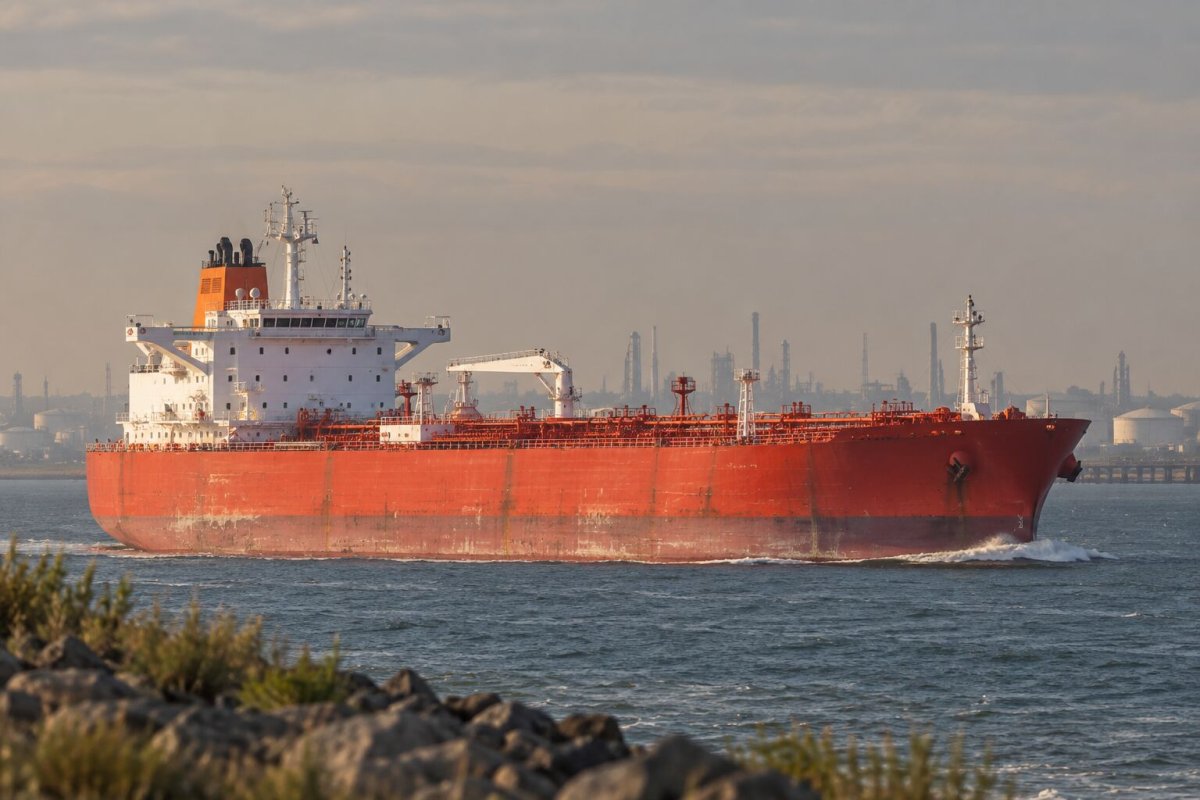
The Breakwave Tanker Shipping ETF (BWET) closed at $650 on September 10, surging 11.42% on the day and an eye-popping 108.19% from its one-month baseline of $312.22. This dramatic move has attracted attention, but many investors may be misunderstanding what they actually own.
BWET is not an oil fund, nor does it hold a portfolio of tanker companies. Instead, it invests in near-dated futures contracts on the cost of transporting crude oil by sea. This is a much narrower exposure that can spike when shipping capacity is scarce and reverse just as quickly when bottlenecks ease.
The fund, listed on NYSE Arca, finished at its session high of $650 after trading as low as $620, according to delayed market data at the 4 p.m. ET close. Volume was approximately 237,600 units, representing about 88% of the 270,100 shares outstanding reported by the sponsor a day earlier, though turnover does not equal unique ownership and creations/redemptions can alter share counts.
What BWET Actually Tracks
Amplify's fund page describes BWET as unlevered exposure to crude-tanker freight futures. Its benchmark is designed around a 90% allocation to TD3C contracts, which price a very large crude carrier (VLCC) voyage from the Middle East Gulf to China, and 10% to TD20, the Suezmax route from West Africa to Europe. The portfolio holds contracts with maturities one to six months forward, with a weighted average expiry of 60 to 90 days.
This makes BWET a bet on the price of scarce ship capacity, not the price of the cargo itself. Brent crude can fall while tanker freight remains high if ships are trapped, rerouted, or unwilling to enter dangerous areas. Conversely, oil can stay expensive while freight futures collapse because vessel availability improves.
As of September 10, the largest positions were October-through-December TD3C futures, followed by smaller TD20 contracts. The SEC prospectus notes that futures are exchange-cleared and cash-settled, meaning investors do not own vessels, receive charter revenue, or gain a claim on tanker resale values.
Why the Price Doubled
The immediate catalyst has been an extreme repricing of Middle East shipping risk. The Baltic Exchange's TD3C benchmark reached an estimated time-charter equivalent of $759,969 per day on September 8, a record and 26% above its March peak, according to Lloyd's List. The outlet attributed the move to inefficient shuttle and ship-to-ship patterns around Hormuz and detours that reduce the effective supply of available VLCCs.
Physical traffic remains unusually thin. A Reuters dispatch reported just seven Strait of Hormuz vessel transits on September 9, down from 12 the previous day and below a 10-day average of 14. Only one exiting vessel was a VLCC. The count is preliminary and excludes ships with transponders switched off, but it highlights the scarcity premium that freight traders are trying to price.
BWET magnifies this market's message because its assets are concentrated in those specific routes and maturities. The sponsor reported net assets of $157.3 million as of September 9, a 3.50% annual expense ratio, and a 30-day median bid-ask spread of 0.61%. These are meaningful frictions for an instrument whose underlying contracts can gap sharply.
The Number Not to Calculate Yet
Investors should not compare Thursday's $650 close with Wednesday's published $582.29 net asset value (NAV) and call the difference an 11.6% premium. The fund's website had not yet posted a September 10 NAV at the time of reporting. Freight futures themselves moved during Thursday's session, so the denominator must update before any premium or discount calculation is meaningful.
For reference, the September 9 closing price of $583.39 was only 0.19% above that day's NAV. The live warning signal is not yesterday's stale NAV; it is whether the next official NAV diverges materially from the market close, especially alongside a widening bid-ask spread.
What Can Break the Rally
The strongest bearish case is simple: the position is exposed to the next several monthly freight settlements, not a permanent shortage. A sustained recovery in Hormuz transits, fewer detours, lower war-risk insurance, or a larger list of available tankers could pull forward rates down before headlines say the crisis is over.
Rolling contracts add another layer. BWET progressively shifts exposure into later months as contracts mature. If the futures curve slopes down because traders expect today's extreme rates to normalize, gains in the nearest contract do not automatically carry into the next one. An investor can be correct that current tanker rates are extraordinary and still lose money if the market had priced an even worse shortage.
The cleanest dashboard is therefore four items: TD3C and TD20 forward prices, actual Hormuz transit counts, the fund's same-day NAV versus market price, and the bid-ask spread. Brent is context, not the payoff. At $650 after a 108% month, BWET is pricing a severe and persistent shipping constraint; the next move depends on whether that constraint reaches the later futures months now dominating the portfolio.