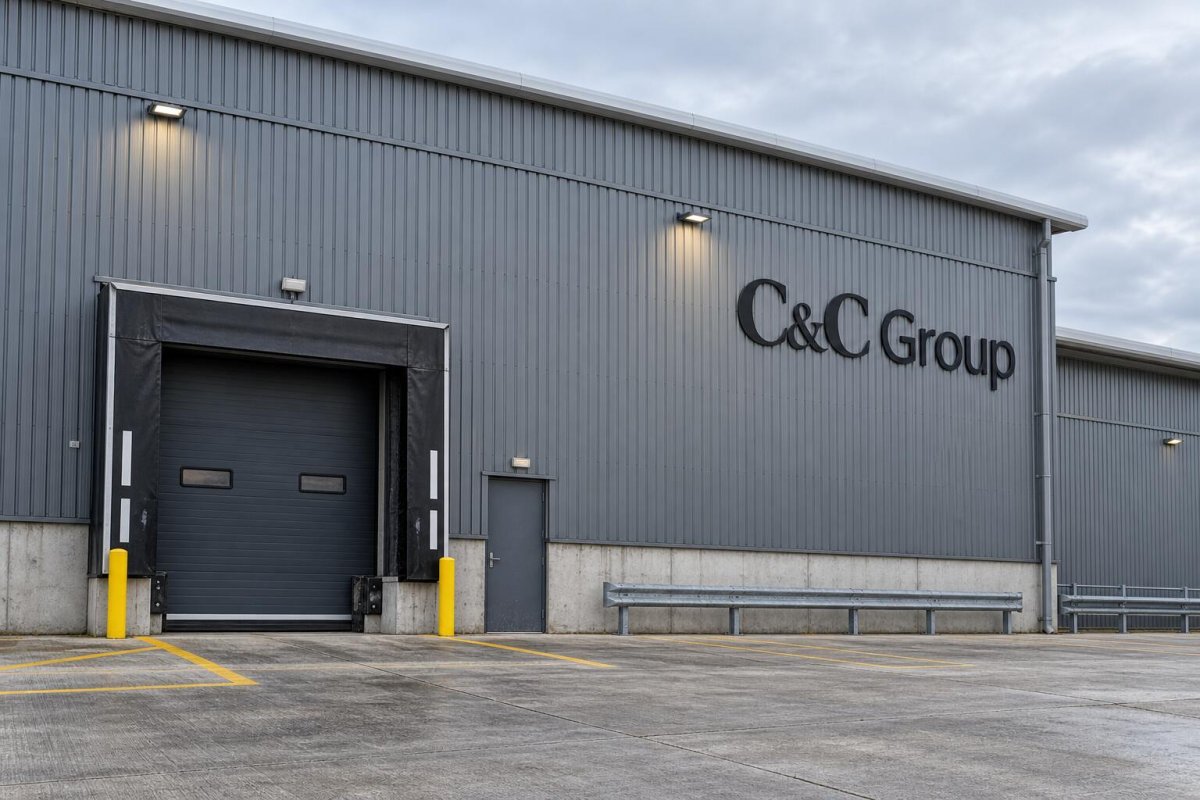
C&C Group's decision to acquire Asahi UK's wholesale operations for a token sum has sparked a 13.5% surge in its share price, but the real strategic intent lies deeper than the headline transaction. The Dublin-based drinks group is not seeking to expand its brand portfolio; rather, it aims to bolster the profitability of its Matthew Clark Bibendum distribution arm by adding volume to an existing network that has seen margins erode.
On Friday, September 11, C&C shares closed at 101.2 pence, up 12 pence, representing a 13.45% gain and lifting the company's market capitalization to approximately £372.9 million. That rally added roughly £44 million in equity value, a figure derived from the market's reaction rather than any valuation placed on the acquired assets by either party.
Understanding the 'Nominal' Price
The transaction encompasses Nectar Imports Ltd and Asahi UK's direct-distribution operations. C&C will assume customer and supplier contracts, intellectual property, a leased depot, vehicles, and inventory. Additionally, Matthew Clark Bibendum will enter a long-term partnership with Asahi for brand distribution in Britain, and the supply arrangement for Fuller, Smith & Turner's pub estate will transfer as part of the deal.
While the purchase price is nominal, the deal is far from cost-free. C&C has not disclosed revenue, profit, customer counts, working capital requirements, or integration costs for the acquired businesses. Inventory must be financed, customers migrated, and overlapping logistics absorbed without service disruption. Management has set a modest financial target: a 'small positive contribution' to Matthew Clark Bibendum in fiscal 2027. Completion is expected in early October, with a structured customer transfer largely completed within weeks.
The Margin Challenge
The rationale becomes clear when examining C&C's fiscal 2026 results. The distribution segment generated €1.260 billion in net revenue—about 80% of group net revenue—but only €19.5 million in operating profit, a razor-thin 1.5% margin. This segment contributed less than 28% of the group's €70.5 million operating profit before exceptional items. Distribution revenue fell 8% in fiscal 2026, and profit dropped 37%, driven by weak hospitality volumes and a shift away from higher-margin wines and spirits.
Management has already consolidated smaller depots into larger regional hubs, and the network now covers over 99% of the UK population with next-day delivery through 22 depots. The latest half-year update shows improvement but not a turnaround: constant-currency net revenue fell 3% in the six months through August, with branded revenue up 2% (helped by Tennent's, Bulmers, and World Cup marketing) while distribution revenue declined 4%. First-half underlying operating profit is expected between €43 million and €44 million, with full-year expectations maintained.
What the Market Is Betting On
The bullish case is straightforward: C&C acquires customer volume and supplier relationships for nearly nothing, then leverages existing capacity to lower per-delivery costs. The stronger half-year profit signal suggests Friday's rally may reflect relief that the recovery is on track, rather than a £44 million valuation of the Asahi assets alone.
However, skeptics argue that adding low-margin volume could make the distributor larger without making it more valuable. UK hospitality outlet numbers remain under pressure, and C&C's fiscal 2026 free cash flow fell to €45.3 million while leverage rose to 1.6 times. If the Asahi customers require additional stock and delivery complexity without improving route density or mix, the nominal consideration won't salvage the economics.
Key Dates to Watch
Investors will look to three upcoming events for clarity: September 24's capital-markets day, where management may outline measurable targets for Matthew Clark Bibendum; early October's expected completion, which will test customer retention and service levels; and October 28's interim results, which will reveal cash conversion, net debt, and whether the profit range held.
The ultimate confirmation signal will not be revenue growth alone, but a sustained rise in distribution operating margins without service deterioration or increased debt. Friday's rally suggests the market sees that possibility; the next disclosures must put numbers behind it.
