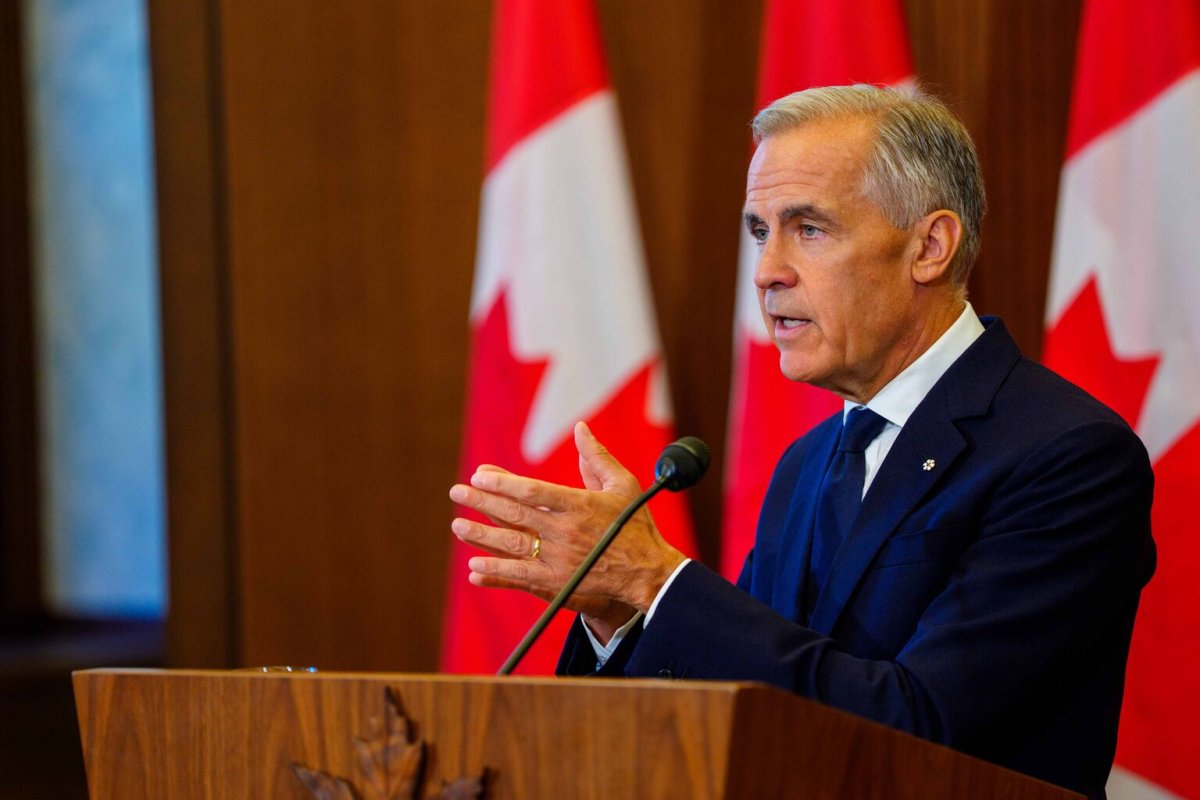
Canada's inaugural Investment Summit in Toronto concluded with a headline-grabbing figure: nearly C$500 billion in new investment commitments. The closing address was delivered by former Prime Minister Stephen Harper, but the numbers that dominated investor attention came from the current government led by Prime Minister Mark Carney. While the aggregate is directionally significant, a closer look reveals a more nuanced financial picture.
The bulk of the announced commitments—more than C$325 billion—is described as financing capacity from five major Canadian banks. This includes C$150 billion from Toronto-Dominion Bank (TSX:TD) over five years, over C$100 billion from Bank of Nova Scotia (TSX:BNS) over five years, and C$70 billion from Bank of Montreal (TSX:BMO) over ten years. Canadian Imperial Bank of Commerce (TSX:CM) and Royal Bank of Canada (TSX:RY) contributed smaller, more targeted amounts of C$2 billion and nearly C$1.5 billion, respectively.
The government's release categorizes the pledges into four main buckets. The first is institutional capital, totaling nearly C$100 billion, led by a C$50 billion Maple Fund from CPP Investments and Brookfield Asset Management (TSX/NYSE: BAM), plus C$25 billion from PSP Investments, C$10 billion from Ontario Teachers', and C$5 billion from Sun Life Financial (TSX/NYSE: SLF). The second bucket is the bank financing mentioned above. The third includes more than C$14 billion in investment funds, with over C$10 billion from Power Sustainable and C$4 billion from Radical Ventures. The fourth is a C$52.5 billion Bell AI infrastructure project in Saskatchewan, described as a 1.2-gigawatt AI hub.
Using the government's rounded category totals yields approximately C$491.5 billion, while summing the named figures produces more than C$480 billion before smaller public-financing items like C$700 million for the Business Development Bank of Canada and C$140 million for Generation Mining. The release does not provide a single reconciliation schedule, contract values, or expected annual drawdowns. Thus, the 'nearly C$500 billion' figure is best interpreted as a summit aggregate rather than an accounting total.
This distinction does not render the pledges meaningless. Bank financing can enable projects—such as mines, power lines, or data centers—that might otherwise stall. Pension allocations can attract additional investors. However, financing capacity only translates into bank earnings when borrowers draw on it, and asset-manager targets become fee-bearing capital only when funds are raised and deployed. The real test lies in execution.
For TSX-listed companies, the implications vary. TD, Scotiabank, and BMO stand to benefit from a larger pipeline of corporate loans and project-finance fees, but returns will depend on spreads, capital consumption, and credit losses. Brookfield could gain a substantial domestic investment vehicle through the Maple Fund, though fee terms and the closing timetable remain undisclosed. Sun Life's C$5 billion commitment to infrastructure over five years will require subsequent fundraising and portfolio disclosures to assess its impact.
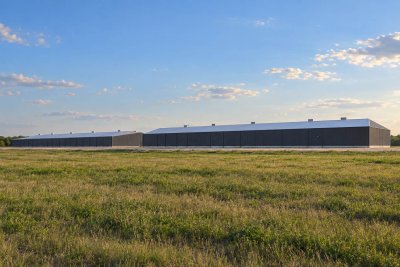
Bell's Saskatchewan plan is the clearest capital-spending item. For BCE (TSX/NYSE: BCE) shareholders, the build schedule, customer contracts, financing mix, and expected return on invested capital will be the relevant metrics. The C$52.5 billion figure is not revenue, and its sheer size raises questions about execution and funding.
Prime Minister Carney also announced a Productivity Mega Deduction, which the government estimates will reduce Canada's effective marginal tax rate on new investment from 13% to 6.4%. The actual benefit will depend on taxable income, eligible assets, and whether companies accelerate projects rather than relabel existing spending.
As investors digest the summit's outcomes, the focus will shift to tangible indicators: loan balances and fees at the five banks, closed capital at the Maple Fund, disclosed domestic allocations by pensions and insurers, and construction milestones for Bell's Saskatchewan hub. These will reveal how much of the summit aggregate becomes operating activity.