Silver began the week with a fresh market structure but the same old volatility. On Monday, September 14, benchmark COMEX silver futures traded at $63.72 per troy ounce at 4:31 p.m. New York time, down 2.0% from the prior close. The contract swung between $62.80 and $64.98 during the session, reflecting the metal's ongoing price turbulence. Meanwhile, the iShares Silver Trust (SLV) closed at $56.84, a 2.8% decline, according to delayed data from COMEX and NYSE Arca.
CME's 24/7 Trading Initiative
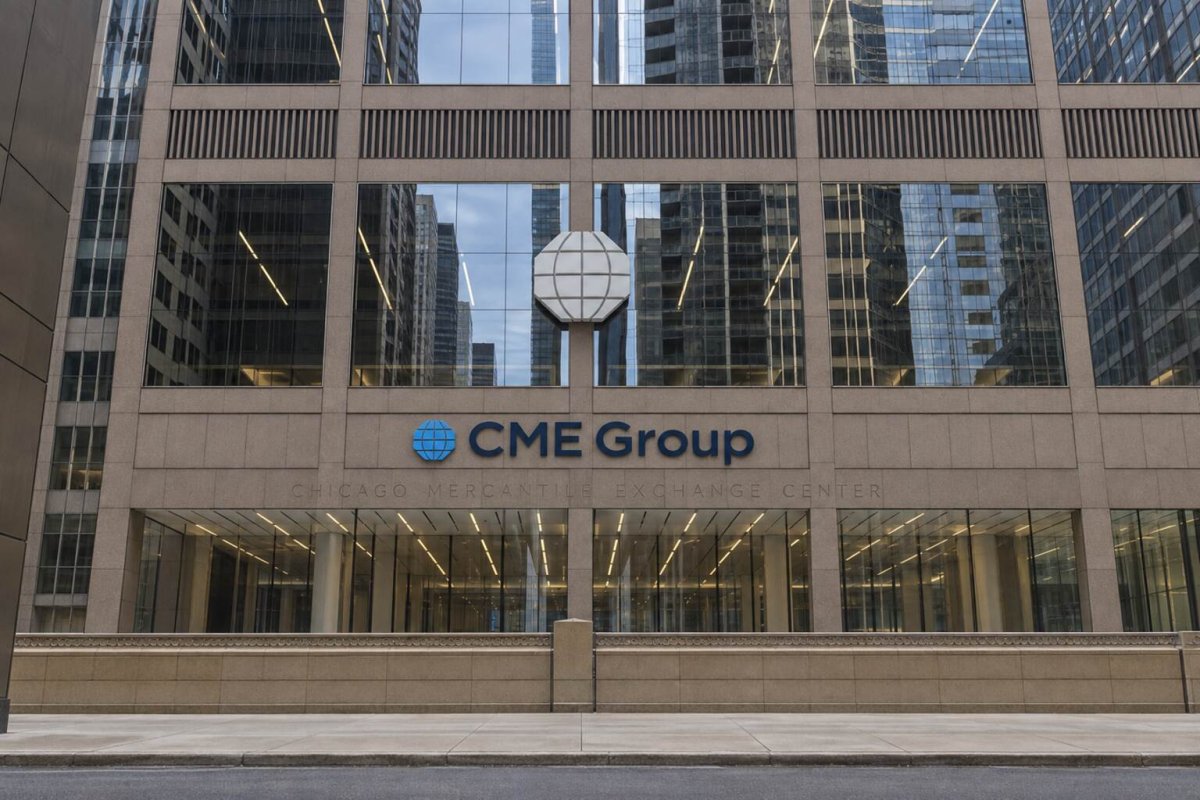
CME Group opened its 100-Ounce Silver futures contract (ticker: SIC) to 24/7 trading on September 11, marking the first live weekend for the smaller contract. This change applies exclusively to the 100-ounce contract, not the benchmark 5,000-ounce silver futures or other silver instruments. The SIC contract is financially settled against the daily settlement price of the 5,000-ounce futures, meaning no physical delivery of 100 ounces of silver occurs.
Under the new schedule, trading pauses for a two-hour maintenance window on Saturdays and for two minutes on weekdays. Trades executed from Friday evening through Sunday evening carry the following business day's trade date, as outlined in CME's contract FAQ.
Contract Specifications and Risks
At the current price of $63.72, one 100-ounce contract represents about $6,372 of notional metal exposure, compared with roughly $318,600 for the standard 5,000-ounce contract. A $1 move in the price of silver changes the smaller contract's value by $100, while the same move impacts the benchmark contract by $5,000. It's important to note these are not margin requirements or maximum losses; futures are leveraged instruments, and traders can lose more than the cash initially posted.
CME's implementation notice also highlights additional changes: the contract has been moved to a different market-data channel, and block-trade eligibility has been eliminated. Clearing, settlement, and regulatory reporting for weekend activity are processed on the following business day, according to the exchange's September 7 Globex notice.
Macro Pressures and Silver's Outlook
The immediate selloff occurred against a challenging macroeconomic backdrop for precious metals. A hotter-than-expected U.S. inflation report has led markets to anticipate a Federal Reserve rate hike on Wednesday, while rising oil prices add to inflation concerns, according to a Reuters market report. Higher yields increase the opportunity cost of holding non-yielding assets like silver, and the metal's industrial demand exposure makes it vulnerable when investors downgrade manufacturing growth expectations, even as gold benefits from safe-haven demand.
While this explanation is plausible, it doesn't fully account for silver's recent price swings. The continuous silver contract has ranged from $41.50 to $121.30 over the past 52 weeks. Monday's $63.72 level sits about 47% below that high and 54% above the low, demonstrating that percentage moves can be substantial even without new supply announcements.
Implications for ETF Investors
For ETF investors, the 24/7 futures window does not convert SLV into a weekend-traded fund. The trust continues to trade during regular stock exchange sessions and seeks to reflect the price of silver, less expenses and liabilities, as described by iShares. A significant weekend move in silver prices can therefore appear as a price gap when the ETF next opens for trading.
The primary advantage of the smaller contract is continuous risk transfer during geopolitical or policy events. However, the counterargument is liquidity: a market that is technically open may still have wide spreads and shallow depth when few traders are active. CME has not yet published enough first-weekend data to confirm that the 100-ounce contract will deliver reliable price discovery at every hour.
Key Tests Ahead
The coming weeks offer measurable tests. Traders can compare SIC volume, open interest, and bid-ask spreads across weekends, then observe how closely those prices reconnect with the 5,000-ounce benchmark. Wednesday's Federal Reserve decision is the more immediate catalyst for silver prices, while the quality of weekend liquidity will determine whether the new trading clock enhances execution or merely expands access.