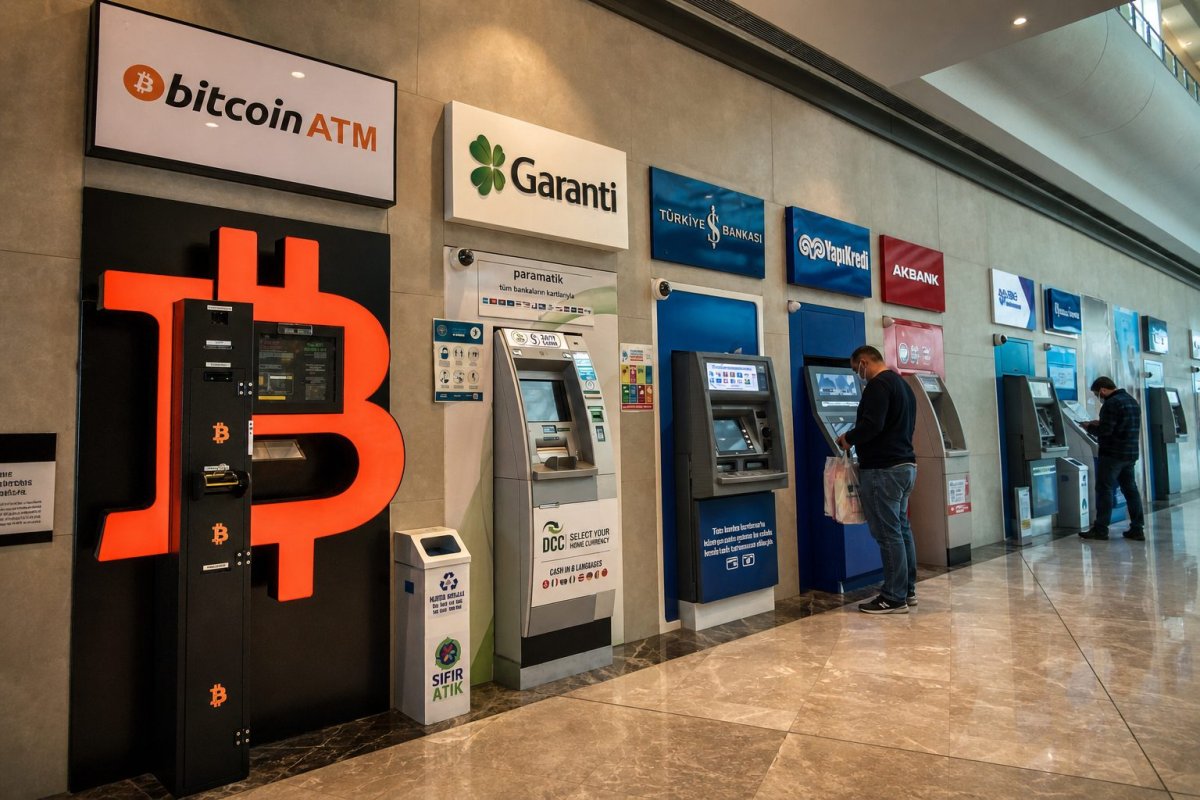
Ottawa is set to implement a sweeping crackdown on financial crime, introducing legislation to ban cryptocurrency ATMs and establish a dedicated Financial Crimes Agency (FCA) with police authority. The measures, outlined in Bill C-29, represent one of Canada's most aggressive responses to rising fraud and money laundering.
According to the government's Spring Economic Update, Canadians reported losses exceeding C$704 million to fraud in 2025, with total losses surpassing C$2.4 billion since 2022. Officials caution that the actual figure is likely much higher, as only 5% to 10% of consumer fraud cases are reported.
New Agency Structure and Funding
The proposed Financial Crimes Agency would consolidate responsibilities currently spread across police, prosecutors, and financial intelligence units. It will operate under civilian leadership with direct accountability to the finance minister. The headquarters will be located in the National Capital Region, with potential regional offices across the country.
Funding for the agency includes C$352.7 million over five years, followed by annual allocations of C$82.1 million. Bill C-29 is currently at second reading in the House of Commons after its initial reading on April 27.
Crypto ATM Ban
Authorities have identified cryptocurrency ATMs as a "primary method" for scammers targeting victims and criminals laundering illicit funds. The ban aims to close this conduit, though Canadians can still purchase virtual currencies through licensed brick-and-mortar money services businesses (MSBs).
In March, FINTRAC, Canada's financial intelligence unit, revoked the registrations of 84 MSBs. The government also plans to grant FINTRAC expanded authority to reject or revoke registrations and enhance criminal background checks.
International Context
Canada's move aligns with similar actions in other jurisdictions. Last month, Connecticut's banking regulator suspended Bitcoin Depot's money transmission license, while litigation in Massachusetts has focused on scam activity through kiosks. Bitcoin Depot has denied allegations of enabling fraud.
Expert Perspectives
Jessica Davis, former Canadian intelligence analyst and head of Insight Threat Intelligence, described the agency as "a meaningful investment" but noted that Canada still lacks a complete picture of financial crime's scale. Michael Ecclestone, partner at The AML Shop, called the initiative "a big deal by any standard" but emphasized that success depends on Ottawa's ability to recruit and train skilled personnel.
Transparency International Canada expressed support for Bill C-29, arguing that an independent agency with powers to investigate and recover illicit gains could serve as a real deterrent. Executive Director Salvator Cusimano stressed that close coordination with other enforcement bodies will be essential for the agency to reach its potential.