Shares of Capital One Financial (COF) faced a sharp decline on Wednesday, dropping 5.39% to close at $191.95. The slide extended the stock's losing streak to a second consecutive session, leaving it underperforming the broader market and key banking peers. The drop of roughly $11 from the prior session's close reduced the company's market capitalization to approximately $119.4 billion.
The timing of the sell-off is significant as Capital One is scheduled to report its second-quarter earnings on July 21, with results expected around 4:05 p.m. Eastern Time, followed by a conference call at 5:00 p.m. Investors are keenly awaiting updates on credit quality trends, the costs associated with integrating the Discover Financial acquisition, and the company's evolving payment network strategy.
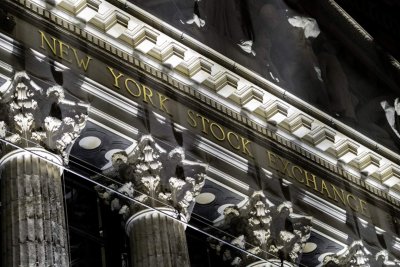
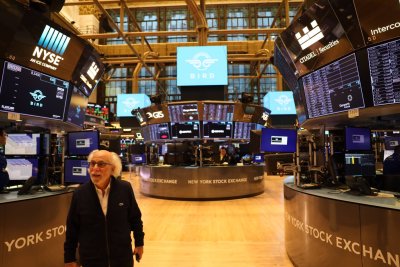
Wednesday's trading occurred during regular New York Stock Exchange hours, which ran from 9:30 a.m. to 4:00 p.m. Eastern, after the market reopened following Independence Day on July 3. Trading volume for Capital One surged to approximately 7.2 million shares, well above its 50-day average of 4.7 million, indicating that the move was driven by more than just low summer liquidity.
Capital One's decline came against a backdrop of a generally weak market. The S&P 500 fell 0.28%, while the Dow Jones Industrial Average dropped 1.09%. Major banking rivals also retreated, with JPMorgan Chase losing 2.54%, Bank of America declining 2.61%, and Visa slipping 1.33%. Capital One's stock now sits 26.07% below its 52-week high of $259.64, reached on January 6.
Analyst sentiment on Capital One has been mixed in recent days. UBS analyst Erika Najarian raised her price target to $275 from $270 while maintaining a Buy rating on Tuesday. Meanwhile, Barclays, TD Cowen, and Rothschild & Co Redburn also adjusted their targets, though the revisions did not point in a clear direction.
Capital One shares are now influenced by factors beyond consumer lending results. The bank completed its acquisition of Discover Financial in May 2025, adding a larger credit card portfolio and taking control of Discover's payment network. At closing, Capital One reported that customer accounts and banking relationships remained stable. The network aspect is drawing increasing attention. Reuters Breakingviews noted on Wednesday that major banks like JPMorgan are eyeing payment networks because the Durbin Amendment caps debit-card interchange fees. However, banks can bypass that limit by routing transactions through their own networks. Following the deal, Capital One shifted most of its debit-card spending to Discover's network, where average fees are approximately 1.2%, compared to less than 0.5% under the Durbin cap, according to Breakingviews.
There is a risk that the anticipated payments boost may not fully materialize. Merchants hold political influence, and Visa and Mastercard have faced legal challenges over fees. Smaller banks may resist networks tied to larger competitors. Additionally, the rise of stablecoins and new technologies could pressure card margins. Investors may be pricing in synergies that could encounter regulatory, political, and execution hurdles.
Capital adequacy is also in focus. Capital One announced last month that its stress capital buffer will remain at 4.5% through September 30, 2027, unless the Federal Reserve modifies it. The company noted that this buffer was set before the Discover deal closed. Investors are monitoring how the balance sheet evolves and what it means for future capital returns.
The company's last quarterly report sparked debate. Capital One posted net income of $2.2 billion, or $3.34 per share, with adjusted earnings of $4.42 per share. CEO Richard D. Fairbank described the results as reflecting "solid top line growth and strong credit performance" and stated that the Discover integration was on track. The quarter also included $415 million in Discover integration costs and a $4.1 billion provision for credit losses—funds set aside for potentially non-performing loans.
Capital One is also expanding into business payments. In April, it closed the acquisition of Brex, with Fairbank calling Brex's platform a "gamechanger for business customers" and describing the combination as a "transformational opportunity" in business payments. This move provides another growth avenue but adds to integration workload.
The next major catalyst for the stock is earnings day. If credit conditions stabilize, Discover cost savings become apparent, and network metrics improve, the stock could find support. However, if card losses do not improve or integration challenges persist, shares may remain below their January high.