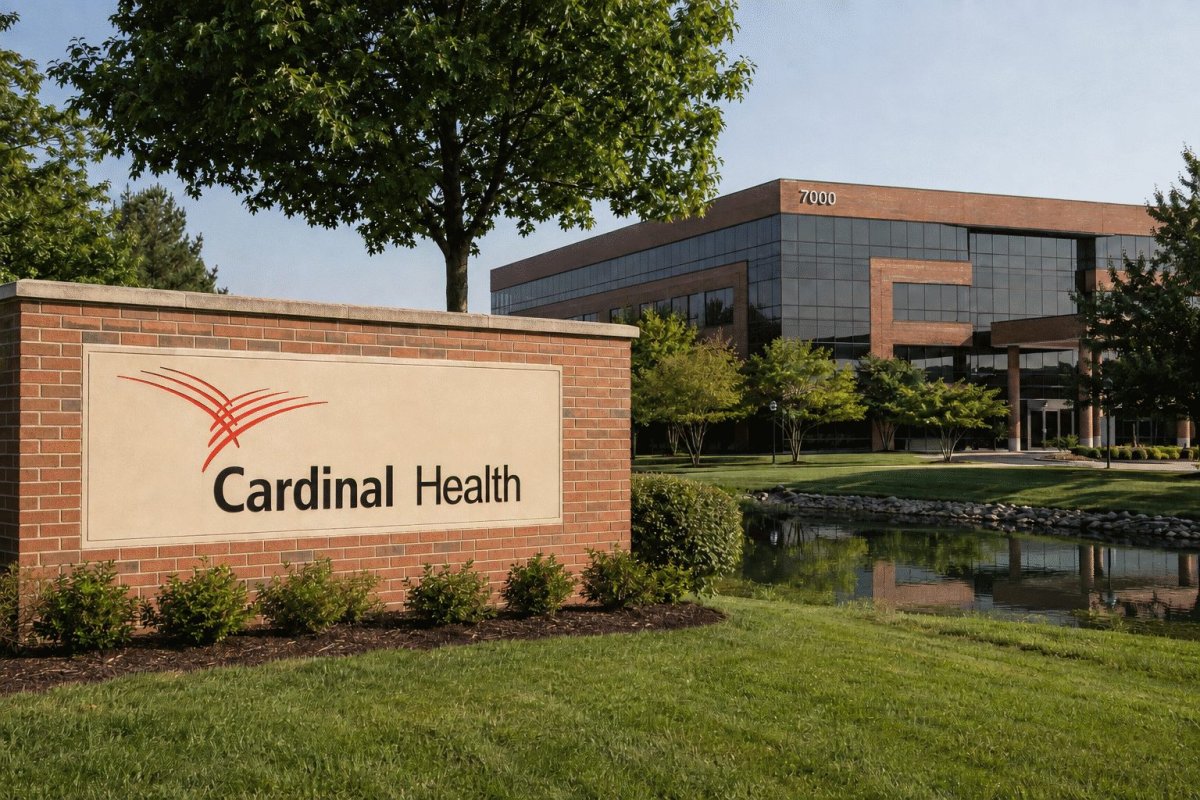
Cardinal Health (NYSE: CAH) faced a sharp decline in premarket trading on Monday, with shares falling 4.5% to $219.21, as a wave of insider stock sales totaling approximately $60 million raised questions about the sustainability of the company's share repurchase program. The stock had closed at $229.51 on Friday, and the premarket drop extends a pullback from the record high reached earlier this month.
The insider sales, disclosed in SEC filings, involved six top executives, including Chief Executive Jason Hollar, who sold shares worth about $29.4 million on August 18 and 19 at prices ranging from $233.22 to $237.88. Other significant sales included Chief Financial Officer Aaron Alt ($9.9 million), GMPD division CEO Stephen Mason ($8.3 million), Chief Legal and Compliance Officer Jessica Mayer (approximately $7.0 million), Chief Information Officer Michelle Greene ($2.7 million), and PSS division CEO Deborah Weitzman ($1.7 million).
While the total insider sales represent less than 1% of Cardinal Health's $6.4 billion buyback authorization, the timing has raised eyebrows. The sales occurred just a week after the company's positive earnings guidance pushed shares to an intraday peak of $258.30 on August 11. Since then, the stock has retreated approximately 15.1% from that peak, with the premarket price of $219.21 marking a significant decline from the post-earnings high.
Buyback Program Under Scrutiny
The insider sales come at a critical juncture for Cardinal Health's capital-return strategy. Management has guided for approximately $1 billion in share repurchases during fiscal 2027, and the board recently increased the buyback authorization by $5 billion, bringing total capacity to $6.4 billion. At the current premarket price of $219.21, that authorization would cover roughly 29.2 million shares, or about 12.5% of the forecast diluted share count of 233 million.
However, investors are questioning whether the company will follow through on these repurchases, especially in light of insider selling. "The sales are notable because they come right after a strong rally," said a market analyst. "It tests the confidence of investors who look to buybacks as a floor for the stock."
Strong Fundamentals Remain
Despite the recent stock pressure, Cardinal Health's underlying business performance remains robust. The company reported fiscal fourth-quarter revenue of $63.7 billion, a 6% increase year-over-year. Adjusted earnings per share came in at $2.91, which included a 31-cent benefit from a tariff refund. Excluding that one-time item, adjusted EPS was $2.60.
Looking ahead, Cardinal Health guided for fiscal 2027 adjusted EPS in the range of $12.40 to $12.60, representing 13% to 15% growth. The company also projected adjusted free cash flow of $3.5 billion to $4.0 billion, down from $5.0 billion in fiscal 2026, partly due to increased capital expenditures and working capital needs.
"Fiscal 2026 was a remarkable year for Cardinal Health," said CEO Jason Hollar in the earnings release. He highlighted that all five operating segments achieved double-digit profit increases before tariff recoveries.
Analyst Sentiment Remains Positive
Wall Street has not broadly downgraded the stock in response to the insider sales. Eighteen analysts maintain a Buy consensus, with an average price target of $270.94, implying roughly 24% upside from Monday's premarket indication. Recent ratings include Barclays' Glen Santangelo with a $275 target, RBC Capital's Ryan Halsted at $276, and Mizuho's Steven Valiquette at $250.
However, the stock is currently trading below all published targets, leaving the debate unresolved. Cardinal Health operates in a distribution model with thin margins, meaning even small execution missteps can have outsized effects on profitability.
Market Context and Risks
The insider sales could reflect diversification or tax-related strategies rather than a negative view on the company's prospects. Yet, the timing—right after a record high—may signal that insiders see limited near-term upside. Additionally, buyback authorizations do not guarantee actual share repurchases, and the company's cash flow guidance for fiscal 2027 is lower than the prior year, which could constrain buyback activity.
Other risks include tariff impacts, acquisition integration, and fluctuations in specialty drug sales volumes. Investors will be watching Monday's regular-session volume and the $219-$220 support level. The key question remains whether the buyback program can offset the selling pressure and whether management can deliver on its fiscal 2027 cash flow targets.