China's Ministry of Industry and Information Technology (MIIT) has launched a public consultation on new regulations governing short-message services transmitted through its BeiDou satellite navigation system. The draft rules, published on November 24, propose a comprehensive framework for operators, equipment manufacturers, and service providers, with a comment period open until December 25.
Key Provisions for Operators
The proposed measures would require any company offering BeiDou satellite messaging services within China to obtain a telecommunications business license and secure approved numbering resources. Operators would also be mandated to interconnect their networks with existing public telecom networks under current interconnection rules, ensuring seamless integration with terrestrial infrastructure.
For international messaging, the draft stipulates that all cross-border traffic must be routed through gateways approved by the ministry. This requirement aims to maintain oversight and control over data flows while aligning with China's broader telecommunications sovereignty objectives.
Equipment and Device Standards
The regulations also set stringent requirements for device makers. Any equipment used to access BeiDou messaging services must pass testing by a qualified laboratory and obtain network access approval. Additionally, BeiDou terminals manufactured or imported for sale in China would require radio type approval, as outlined in Articles 13 and 18 of the draft.
This dual approval process is designed to ensure compatibility and security across the ecosystem, which currently includes handsets from major manufacturers like Huawei, whose Mate series has progressively added satellite messaging capabilities.
Consumer Protection and Transparency
Service providers would be obligated to disclose pricing, validity periods, and renewal terms in customer agreements. Marketing materials must clearly explain service coverage and factors that could affect performance. The draft also mandates real-name registration for subscribers and requires written notice to the ministry before any service withdrawal, per Articles 14-17 and 26.
Emergency Communications Integration
A notable element of the proposal is the integration of BeiDou messaging into China's emergency communications framework. Providers would be required to follow ministry coordination during emergencies. This follows a pilot in Chongqing, where all three major mobile networks have offered emergency BeiDou SMS since August, with charges applied only to sent messages and free reception for recipients on standard phones.
Industry Context and Implications
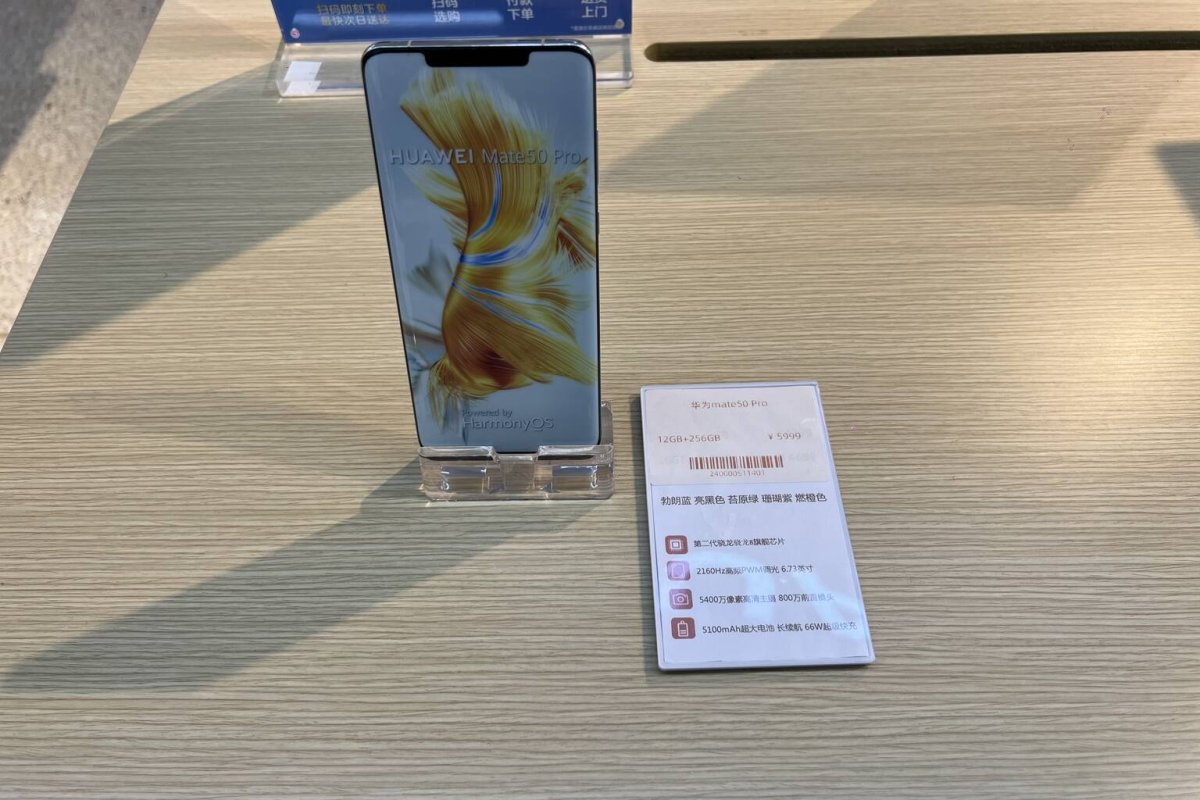
The move comes as BeiDou messaging gains traction in consumer devices. Huawei's support documentation shows a progression: the Mate 50 Pro supports sending messages, the Mate 60 adds receive capability, and the latest Mate X8, unveiled on November 24, can send pictures as well. The distinction between carrier-provided BeiDou SMS and Huawei's proprietary app is critical for operators explaining service terms to customers.
The draft's final article states the measures would take effect upon publication, though no specific date for the final version has been announced. Industry analysts view this consultation as a step toward formalizing a service that has been operating in a regulatory gray area, potentially opening opportunities for telecom operators and equipment vendors.