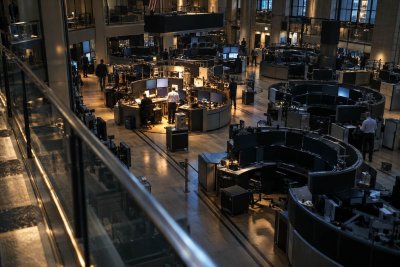
A broad selloff in technology stocks erased roughly $1.3 trillion from the value of U.S. chipmakers on Friday, snapping the S&P 500's nine-week winning streak and delivering the worst single-day decline for equities since October. The rout struck at the heart of the artificial intelligence trade that has powered markets in 2026, but analysts at Goldman Sachs and Barclays described the drop as a stress test rather than a fundamental shift in trend.
The Philadelphia semiconductor index plunged 10.3%, its largest one-day fall since March 2020, just two days after hitting a record high. Nvidia (NVDA), Micron Technology (MU), and Advanced Micro Devices (AMD) led the decline after Broadcom (AVGO) issued a disappointing update, according to Reuters. The selloff came as a stronger-than-expected jobs report complicated the outlook for Federal Reserve rate cuts.
The Labor Department reported that U.S. nonfarm payrolls rose by 172,000 in May, while the unemployment rate held steady at 4.3%. The solid hiring data keeps inflation concerns alive and reduces the likelihood of near-term easing by the Fed, which is now set to meet on June 16-17 under new Chair Kevin Warsh. Warsh took over the central bank on May 22, and his first policy meeting is being closely watched by markets.
The S&P 500 fell 2.6% to 7,383.74, the Nasdaq Composite dropped 4.2% to 25,709.43, and the Dow Jones Industrial Average tumbled 695.15 points. The selloff broke a 10-week winning streak for the S&P 500 and marked the worst day for U.S. stocks since October, according to the Associated Press.
Despite the severity of the decline, Goldman Sachs traders led by Tom Shea said they were not overly concerned about crowded positioning. Their composite sentiment gauge, which tracks institutional, retail, and foreign exposure to U.S. equities, registered around 0.2 — a neutral reading. Shea noted in a client note that the rally has not yet been fully embraced by the broader market, suggesting that the selloff may not snowball as it would if most investors were already aligned.
“Blindly buying the dip has paid off, at least up to Friday,” said Dennis Dick, a proprietary trader at Triple D Trading. Wells Fargo strategist Ohsung Kwon described the semiconductor group as “way overbought” but said he does not believe this marks the end of the bull market for chips. John Flood, head of Americas equity execution services at Goldman, called the drop a “healthy” pullback driven by profit-taking and potential new share supply. Flood reiterated his view that the S&P 500 can still reach 8,000 this year.
Barclays struck a more cautious tone. Emmanuel Cau and his team noted that the rally in AI stocks appears stretched, with the MSCI World Semiconductors Index surging about 50% in two months. Support from fast money and commodity trading advisers (CTAs) is fading, they said, raising the risk of a tactical pullback. Barclays is “not bearish Semis,” but sees a possible pause that could rotate capital into software, aerospace and defense, luxury, and travel and leisure sectors.
There is also a supply-side dynamic at play. Flood pointed to upcoming IPOs from SpaceX and Anthropic as signs of robust demand, while Barclays countered that large fundraising rounds by tech names could drain liquidity, especially if momentum trades are already extended. The risk of dip-buying hitting trouble is real: Flood warned that systematic players such as CTAs and volatility-control funds could turn into sellers if the S&P 500 continues to slide. A widespread earnings miss would be an even stronger red flag, he said, with the first major test coming Monday.