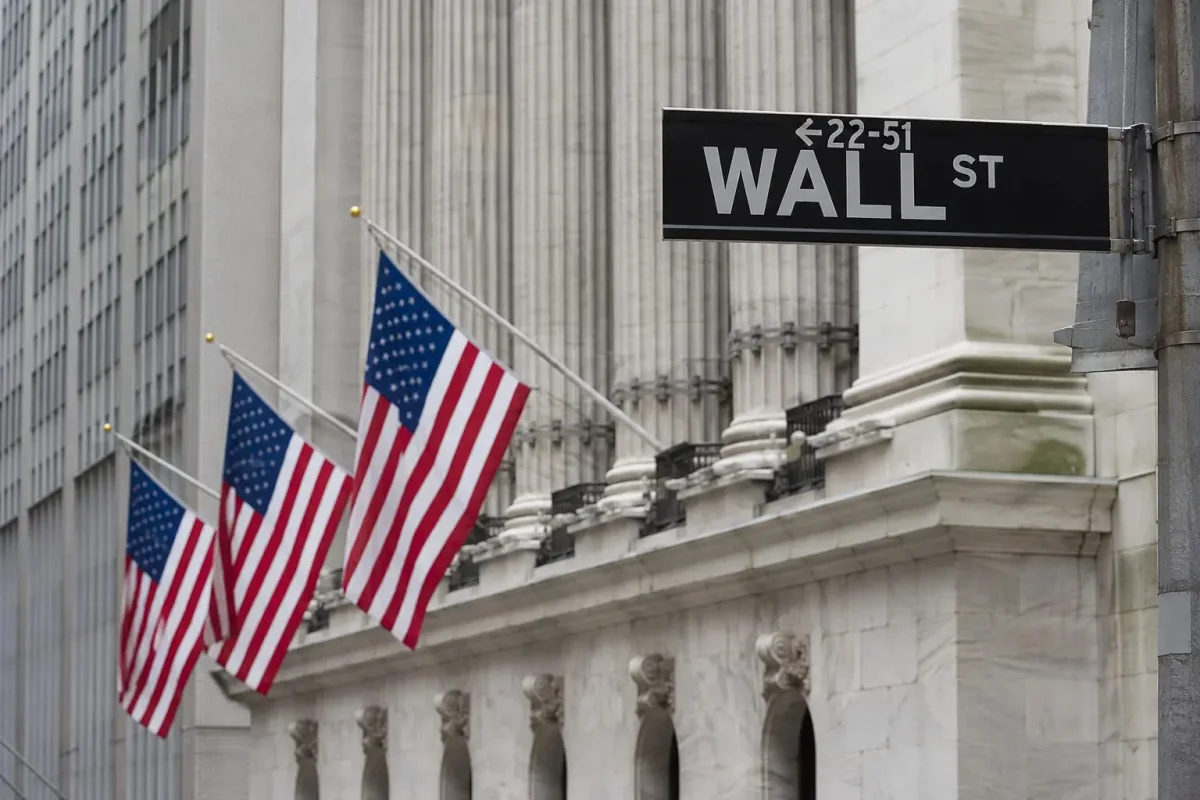
U.S. stock futures edged higher in early trading on Thursday, with Wall Street poised to build on record highs as a surge in Cisco Systems shares fueled optimism around artificial intelligence-driven growth. Dow futures gained 0.24%, the Nasdaq 100 advanced 0.41%, and the S&P 500 futures rose 0.19% as of 5:35 a.m. EDT, according to TipRanks.
The gains come after the S&P 500 and Nasdaq Composite both closed at all-time highs on Wednesday, recovering from earlier volatility despite a hotter-than-expected producer price index. The April PPI jumped 1.4% month-over-month, the steepest increase in four years, reigniting concerns about persistent inflation and its implications for Federal Reserve policy.
Investors are now turning their attention to key economic data due at 8:30 a.m. Eastern: the Census Bureau's April retail sales report and the Labor Department's weekly jobless claims. These releases will offer fresh insights into consumer spending trends and labor market conditions, which could influence the Fed's next moves. Traders currently see a 97% probability that the central bank holds its policy rate steady at 3.5%-3.75% through June, according to Kalshi, while Polymarket bets suggest a 71% chance of no rate cuts at all in 2026.
Cisco shares jumped 19% in premarket trading after the networking giant announced plans to cut nearly 4,000 jobs and raised its revenue forecast, citing robust demand from hyperscale cloud providers for AI infrastructure. The company reported third-quarter revenue of $15.8 billion, a 12% increase, and lifted its fiscal 2026 AI infrastructure order forecast to $9 billion from $5 billion. CEO Chuck Robbins described Cisco as “critical infrastructure for the AI era,” a statement that also lifted shares of networking rivals. Cisco's forward price-to-earnings ratio stood at 22.77, compared with Arista Networks at 35.64 and Hewlett Packard Enterprise at 12.37, per Reuters.
“Hyperscaler capex spilling downstream,” said Ryan Lee, senior vice president of product and strategy at Direxion, noting that investors are increasingly looking beyond chipmakers to companies supplying switches, routers, and optics that connect large data centers.
Nvidia remained in the spotlight after Reuters reported that the U.S. government has given clearance for the company to sell its H200 AI chips to about 10 major Chinese firms, including Alibaba, Tencent, ByteDance, and JD.com. Shipments have not yet begun, as CEO Jensen Huang awaits progress during President Donald Trump’s visit to China. The news underscores the ongoing geopolitical tensions surrounding technology exports.
Global markets were relatively steady, with AI-driven optimism pushing world stocks to fresh highs. Europe’s STOXX 600 rose 0.5%. Saxo’s Charu Chanana noted that the lack of new trade disputes between the U.S. and China was, for now, “enough” to keep sentiment positive. However, rates remain a key challenge. The Senate confirmed Kevin Warsh as the next Federal Reserve chair on Wednesday, and Boston Fed President Susan Collins warned that further policy tightening could be necessary if inflation stalls. Minneapolis Fed President Neel Kashkari added that the central bank is “dead serious” about taming inflation.
Commodity markets also drew attention, with Brent crude holding above $106 a barrel and West Texas Intermediate above $101, as traders monitored the Trump-Xi meeting and tensions around the Strait of Hormuz. A hot retail sales number or energy supply disruptions could push yields higher. Beneath the surface, market breadth remained shaky: the Dow edged down 0.1% on Wednesday, while the Nasdaq climbed 1.2% and the S&P 500 added 0.6%, with many stocks losing ground after the PPI release.