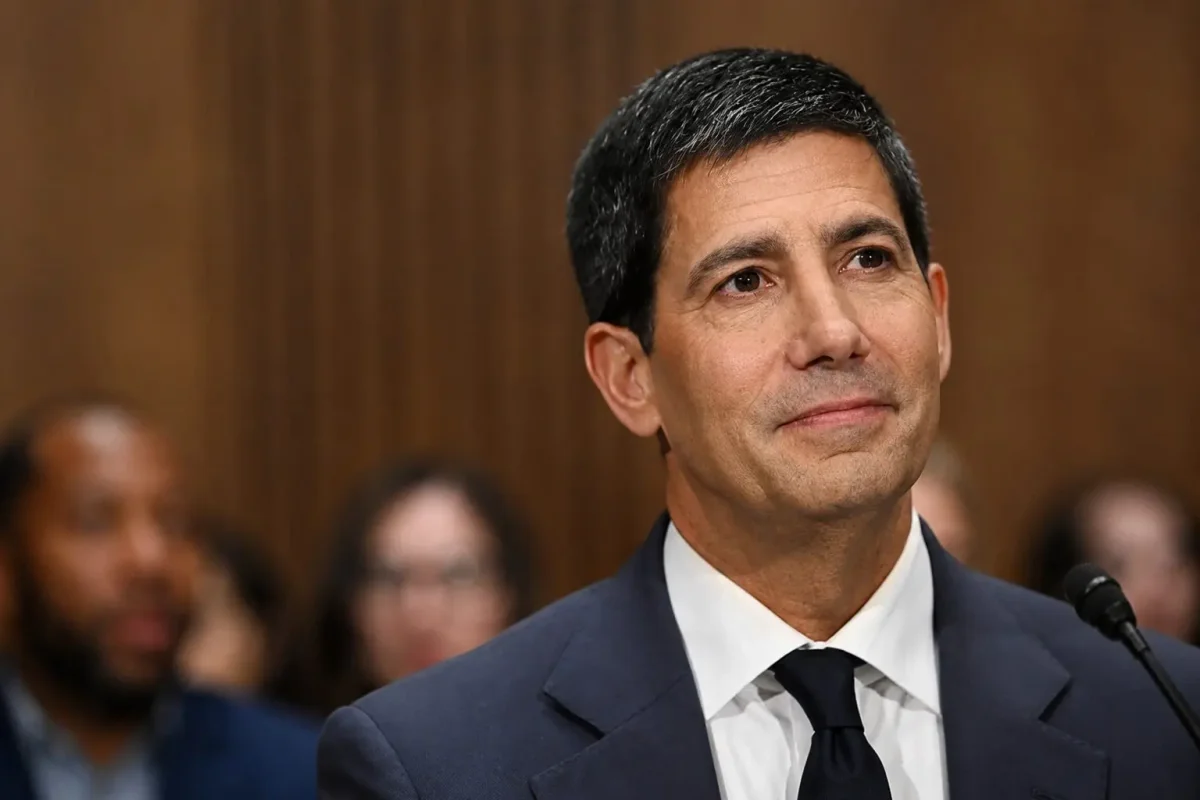
The Senate confirmed Kevin Warsh as Federal Reserve chair in a 54-45 vote on Thursday, handing him the reins as fresh inflation data casts doubt on the central bank's ability to ease monetary policy anytime soon. Warsh, a former Fed governor and President Donald Trump's nominee, will take the helm just as the Consumer Price Index and Producer Price Index both came in hotter than expected for April.
The Labor Department reported that the CPI rose 3.8% year-over-year in April, driven largely by a 17.9% surge in energy costs. Meanwhile, wholesale prices jumped 6.0% from a year ago, with the PPI climbing 1.4% month-over-month. Services prices increased 1.2%, while goods prices advanced 2.0%, indicating that inflation pressures are broadening beyond just energy.
Prediction markets have quickly adjusted their expectations. On Polymarket, traders now assign a 71% probability that the Fed will deliver zero rate cuts in 2026, up sharply from earlier in the year. Kalshi users show a similar 70% chance of no cuts, with odds for a single 25-basis-point reduction standing at just 17%. For the upcoming June 16-17 Federal Open Market Committee meeting, the market is almost unanimous—98% priced in no change to the federal funds rate.
Warsh's confirmation comes at a critical juncture. The Fed held its target range at 3.50%-3.75% at its April 29 meeting, citing persistent inflation and geopolitical risks from the Middle East. Minneapolis Fed President Neel Kashkari, who had pushed for stronger language at that meeting, said the central bank is "dead serious" about bringing down inflation, and noted that while Warsh sets the agenda, he remains just one of 12 voters on rate decisions.
Bond analysts are closely watching Warsh's first public comments. Ryan Swift, chief U.S. bond strategist at BCA Research, warned that if Warsh strikes a dovish tone on rate cuts, it could spell trouble for bonds. Phil Blancato, chief market strategist at Osaic, added that while Warsh could signal a more aggressive stance on inflation, the presence of former Chair Jerome Powell—who stays on as a Fed governor—may temper any sharp policy shifts.
The inflation challenge is not confined to the U.S. In Europe, European Central Bank chief economist Philip Lane flagged that fallout from the Iran war's oil shock could force rate hikes. A Reuters poll also showed the Bank of England is still expected to hold rates at 3.75% this year, though more economists now see at least one hike on the table.
Looking ahead, the trajectory of oil prices will be key. If energy costs retreat and consumer inflation worries remain subdued, Warsh could make the case for holding rates steady while keeping the door open for cuts. However, if higher prices begin to feed into wages, rents, and corporate profits, the Fed may face a difficult choice: either push back against political demands for looser policy or risk undermining its credibility in fighting inflation.
Warsh is expected to be sworn in ahead of the June 16-17 FOMC meeting, pending final White House paperwork. His first major test will be navigating a committee that is increasingly divided between those calling for patience and those worried about a renewed inflation spiral.