Coca-Cola Consolidated, Inc. (COKE) saw its stock slide roughly 16.6% to $175.60 in Thursday trading, erasing $34.92 in value, after the largest U.S. Coca-Cola bottler reported robust first-quarter sales but fell short on adjusted profit. The mixed results put cost pressures front and center for investors, overshadowing what was otherwise a solid top-line performance.
Sales Growth with a Catch
The Charlotte-based company posted a 16.9% increase in net sales to $1.85 billion for the quarter, with volume rising 13.4%. However, those figures benefited from six extra selling days compared to the prior year. Adjusting for that calendar effect and other items, net sales climbed 8.5% and volume rose 6.4%.
While demand remained healthy, the real concern for investors was the rising cost of producing and shipping beverages. According to the company, higher aluminum prices—driven by geopolitical tensions, supply constraints, and increased import tariffs—added roughly $35 million in input costs compared to a year ago. These increases outpaced the price hikes the company implemented during the quarter, causing adjusted gross margin to slip to 39.1% from 39.8%.
Profit Squeeze
Net income rose 7.7% to $111.6 million, but adjusted net income fell 12.3% to $119.5 million. The adjusted figures are non-GAAP measures that exclude the impact of extra selling days, commodity hedging shifts, and fair value changes.
Chairman and CEO J. Frank Harrison III described the company as entering 2026 with “strong momentum,” but acknowledged an “uncertain and volatile macroeconomic environment.” President and COO Dave Katz noted that rising input costs are putting “significant pressure on our gross margins.”
Business Context and Competition
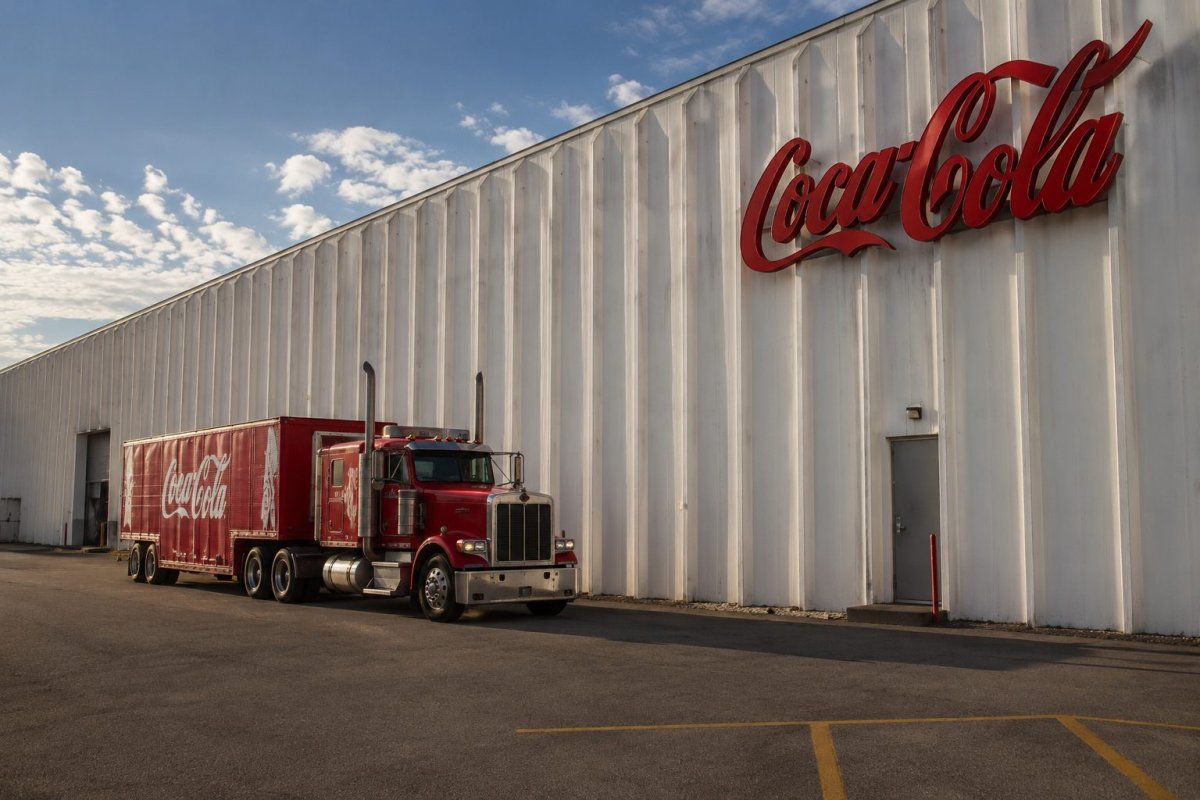
Coca-Cola Consolidated should not be confused with The Coca-Cola Company (KO), the Atlanta-based brand owner. This bottler handles production, sales, and distribution across 14 states and Washington, D.C., with about 85% of its bottle-and-can retail volume coming from Coca-Cola products. It also distributes brands from Monster Energy and Keurig Dr Pepper (KDP).
The company competes primarily with local bottlers handling PepsiCo (PEP) products and, in some markets, Dr Pepper. Key competitive factors include pricing, packaging, shelf space, and promotions.
Segment Performance
Sparkling bottle-and-can sales rose 16.7% to $1.09 billion, driven by zero-sugar options. Still beverages—including bottled water, sports drinks, tea, coffee, and energy drinks—grew 18.9% to $605.1 million, led by brands like Dasani case-pack water, Monster, Powerade, BODYARMOR, and smartwater.
Balance Sheet and Outlook
Interest expense surged to $32.1 million from $6.9 million a year earlier, reflecting debt taken on in late 2025 to finance a $2.40 billion buyback from an indirect Coca-Cola subsidiary. Total debt stood at $2.64 billion as of April 3, down from $2.79 billion at year-end after a $150 million payment.
Operating cash flow reached $205.3 million, up $7.1 million, while capital expenditures totaled $63.1 million. The company projects roughly $300 million in capex for 2026, focusing on supply-chain upgrades and growth initiatives.
Risks and Bullish Case
Key risks include sustained high aluminum, tariff, or labor costs that could outpace pricing, and concentration risk—nearly 30% of first-quarter net sales came from Walmart and Kroger-related chains, giving those retailers significant negotiating power.
On the bullish side, real volume grew even after adjusting for extra selling days. The fourth quarter will have six fewer days versus last year, though full-year periods align. The test ahead is whether pricing moves, packaging decisions, and cost management can convert top-line gains into improved margins.