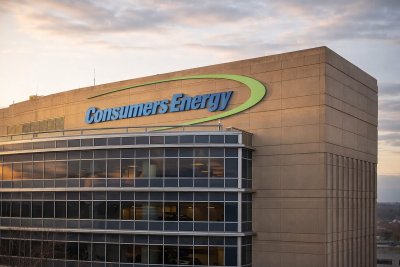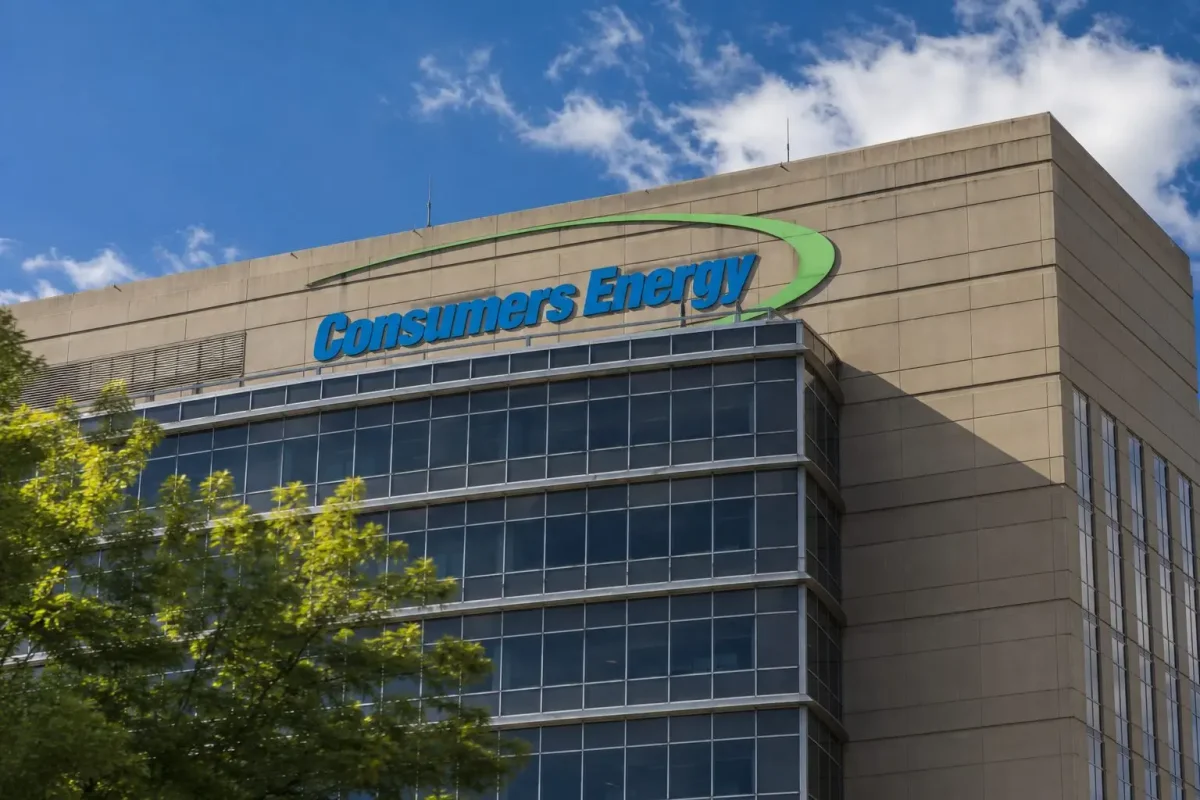
Michigan's second-largest electric utility, Consumers Energy, has filed a request with state regulators for a $456 million annual increase in electric rates, a move that could raise average residential bills by approximately 9.8%. The filing, submitted to the Michigan Public Service Commission (MPSC), has already drawn sharp criticism from Michigan Attorney General Dana Nessel, who announced plans to intervene in the case.
The proposed rate hike comes on the heels of an 8.9% increase that took effect May 1, 2026, following a March MPSC decision that approved an additional $276.6 million in annual revenue for the utility. Since 2020, the commission has authorized nearly $800 million in cumulative annual revenue increases for Consumers Energy, according to the attorney general's office.
Timing and Context
The filing is particularly notable as it coincides with the start of summer peak rates. Consumers Energy's summer time-of-use plan charges $0.245 per kilowatt-hour on weekdays from 2 p.m. to 7 p.m. through September 30, while off-peak usage costs $0.104 per kilowatt-hour. The utility also seeks a $25 million one-year surcharge, $52 million over three years for storm restoration costs, and an expansion of its Investment Recovery Mechanism, which allows the company to recover certain capital costs from customers.
Additionally, Consumers Energy is asking regulators to increase its allowed return on equity by 0.35 percentage points to 10.25%, which would raise the maximum profit rate the utility can earn for shareholders. The company argues that the additional funding is necessary to strengthen an aging grid that has been battered by increasingly severe storms.
Reliability Plans and Pushback
Greg Salisbury, senior vice president of electric distribution at Consumers Energy, outlined the utility's 2027 Reliability Action Plan in a May 27 statement, emphasizing goals of “fewer outages” and faster restoration times. The plan includes expanded tree clearing, burying 50 miles of power lines, and deploying sensors and automation technology. Matt Johnson, the utility's media relations representative, told Michigan Public that 75 cents of every customer dollar is directed toward grid improvements.
However, Attorney General Nessel pushed back forcefully, stating, “Consumers Energy and DTE keep demanding more and more money.” She accused the utility of including “unsupported, inflated costs” in its requests and warned that higher bills are squeezing Michigan families and businesses. Consumer advocates echoed these concerns. Matt Bandyk, senior consultant at Five Lakes Energy and a rate-case advisor for the Citizens Utility Board of Michigan, told Michigan Public that Consumers still “has a lot of work to do” on reliability, adding that years of neglecting the grid have left customers footing the bill for necessary upgrades.
Regulatory Outlook
The MPSC has until April 2027 to render a decision, with any increase likely taking effect May 1, 2027. Consumers Energy estimates that a typical household currently paying $155 per month could see bills rise by about $13 if the full request is approved. However, history suggests the final number may be significantly lower. In March, regulators slashed Consumers' previous request from $436 million to $276.6 million. David Stevenson, director of energy and environmental policy at the Mackinac Center for Public Policy, noted that utilities often receive approvals 30% to 40% below their original requests, so the filed number is not necessarily the approved number.
The case is part of a broader trend of rate filings in Michigan. DTE Electric filed for a $474 million increase in April, and the attorney general's office is tracking multiple open cases, including DTE gas, Consumers gas, SEMCO Energy Gas, and Upper Peninsula Power. The final outcome for Consumers Energy will depend on the utility's ability to justify its costs, the effectiveness of watchdog challenges, and the level of pushback over affordability concerns.