DAIHEN Corporation (TSE:6622) has scheduled a board meeting for June 24, 2026, to consider a proposal that would utilize treasury shares for executive restricted stock awards. The initiative aims to directly link executive compensation to the company's share price performance, a move that comes as the stock trades at a significant premium to its peers.
The stock last closed at ¥17,160, reflecting a price-to-earnings (P/E) ratio of 28.7x. This valuation stands well above the industry average of 14.5x and even surpasses the peer group average of 20.8x. While the company has demonstrated earnings growth of 6.3% annually, with the most recent period showing an 18% jump, its return on equity (ROE) remains modest at 9.2%.
Investors appear to be pricing in optimistic growth expectations, but discounted cash flow (DCF) analyses suggest the stock may be overvalued at current levels. The board's review is drawing increased attention to potential dilution risks and the company's capital management strategy, particularly following a strong run for the shares.
The decision to tie executive compensation to stock performance is a common governance practice, but it also raises questions about alignment with long-term shareholder value. DAIHEN's move comes at a time when the broader market is showing mixed signals, with technology and AI-related stocks driving gains in U.S. indexes.
In the U.S., the S&P 500 rose 0.72% to a 2.5-week high, while the Nasdaq 100 surged 1.26%, led by big tech and chipmakers. The Dow Jones Industrial Average also hit a new record, adding 0.29%. Positive ISM services data and expectations for strong Q2 earnings, driven largely by AI spending, supported sentiment. However, oil prices declined as OPEC+ increased output, and U.S. 10-year Treasury yields edged lower as traders anticipate the Fed holding rates steady in July.
Meanwhile, Goldman Sachs and Morgan Stanley, the lead underwriters for SpaceX's IPO, have issued buy ratings but are divided by over $1 trillion in their valuation estimates. This divergence highlights the uncertainty surrounding the space company's market worth as its IPO quiet period ends.
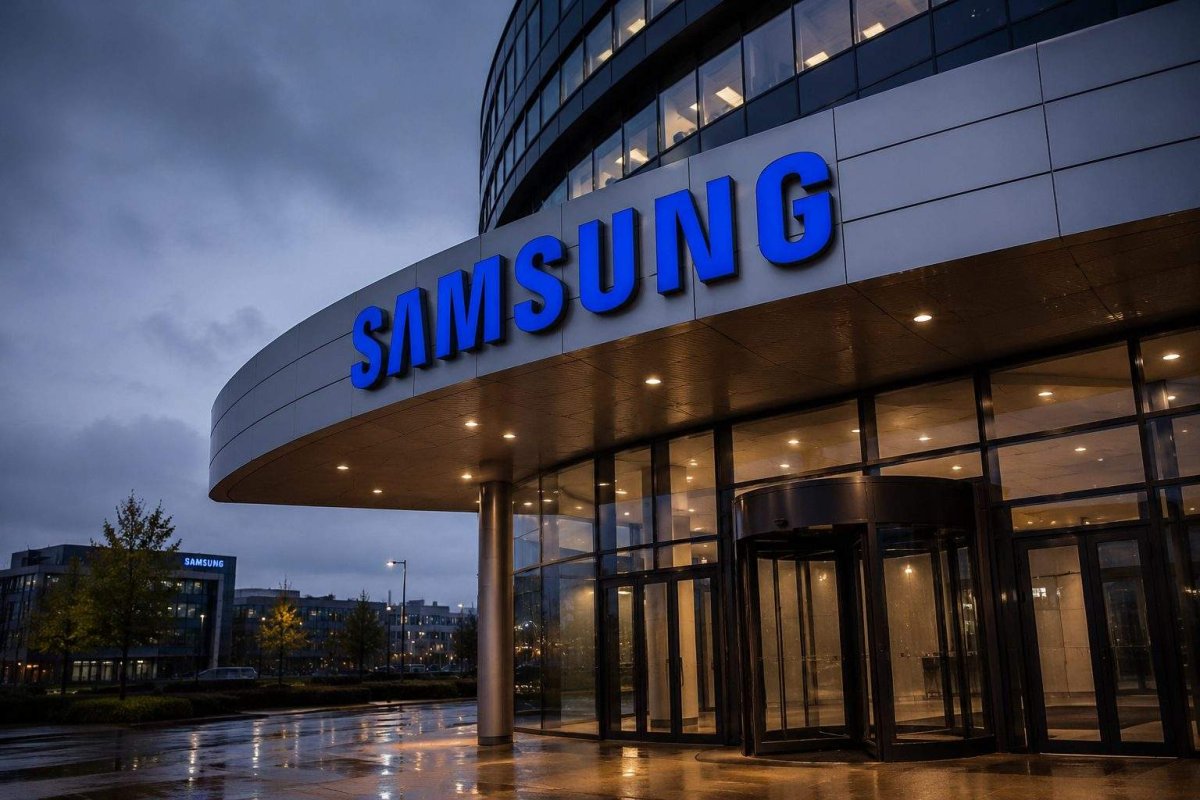
Samsung Electronics reported a record Q2 operating profit of 89.4 trillion won, up from 57.23 trillion won in the previous quarter, with sales reaching 171 trillion won. Despite the strong earnings, Samsung shares fell 6.9%, dragging the Kospi index down 4.9% to 7,656.31, triggering the year's sixth circuit breaker. The sell-off was driven by profit-taking in AI chip stocks and foreign investor outflows totaling 2.9 trillion won. Retail investors, however, bought 3.2 trillion won worth of shares, with margin debt near record highs, indicating continued dip-buying.
In other markets, Australian shares have lost half their value over the past four years, according to a JPMorgan note, highlighting persistent weakness that is weighing on investor confidence and the financial services industry. SBI Funds Management is planning a $1.2 billion IPO, attracting sovereign wealth funds like ADIA and GIC as anchor investors. The offering, set to be India's largest since early 2026, underscores growing global interest in India's asset management sector.
DAIHEN's upcoming board meeting and the broader market dynamics underscore a period of heightened scrutiny on valuations and corporate governance. Investors will be watching closely to see how the treasury stock award plan impacts the company's capital structure and shareholder value.
