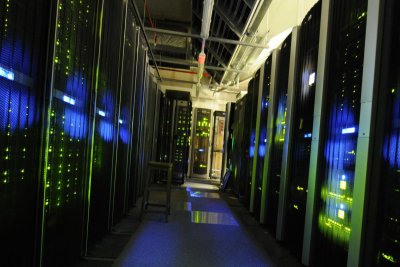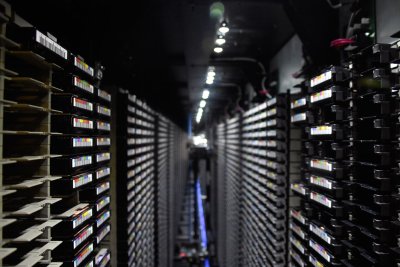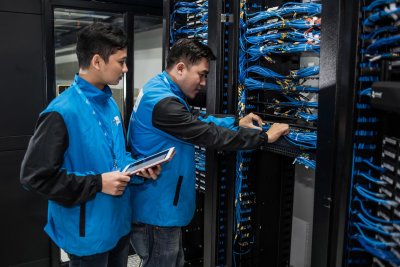
In a landmark deal that underscores the escalating costs of artificial intelligence infrastructure, Anthropic has entered into a 20-year lease agreement with TeraWulf Inc. (NASDAQ:WULF) valued at approximately $19 billion. The lease, which covers 401 megawatts (MW) of compute capacity at TeraWulf's Justified Data campus in Hawesville, Kentucky, provides a rare public glimpse into the capital-intensive nature of AI development ahead of Anthropic's anticipated initial public offering.
The agreement, announced Monday, calls for annual payments of about $950 million, translating to roughly $2.37 million per MW per year. TeraWulf's Raylan Data business will supply the capacity, with the rollout expected to begin in late 2027 and continue into early 2028. The lease includes two five-year extension options, potentially extending the term to 30 years.
This deal comes as Anthropic prepares for a confidential IPO filing made on June 1, following a $65 billion funding round that valued the company at $965 billion. The company has disclosed run-rate revenue of $47 billion, giving it a revenue multiple of approximately 20.5x. In comparison, rival OpenAI, which has filed confidentially for its own IPO with a potential valuation of up to $1 trillion, reported annualized revenue of $24 billion and trades at about 35.5x that figure.
The TeraWulf lease represents about 4% of Anthropic's disclosed 10-gigawatt capacity agreements with Amazon.com (NASDAQ:AMZN) and Alphabet's (NASDAQ:GOOGL) Google and Broadcom (NASDAQ:AVGO). It accounts for roughly 2% of Anthropic's annual run-rate revenue, excluding other spending on cloud services, chips, and data centers.
For TeraWulf, the deal is transformative. The company's shares have risen approximately 85% year-to-date, and its current market capitalization of $9.4 billion is less than half the value of the expected revenue from this single lease. TeraWulf CEO Paul Prager characterized the agreement as a “long-duration revenue stream,” highlighting the company's ability to secure power and lock in extended customer commitments. In a related move, TeraWulf sold its 50.1% interest in the Abernathy joint venture to a group led by Fluidstack, monetizing a roughly $450 million investment.
The deal highlights a growing trend where public market investors use listed infrastructure providers as proxies for private AI companies. CoreWeave, another AI infrastructure firm, was last valued at $45.6 billion. However, analysts caution that trading listed suppliers is not the same as investing directly in AI labs, which carry unique risks related to token pricing, depreciation, and capital calls.
D.A. Davidson's Gil Luria warned that demand for capital from companies like SpaceX, OpenAI, and Anthropic could cause “disruptions in the capital markets.” Kat Liu, vice president at IPOX, noted that Anthropic's timing after SpaceX allowed it to capitalize on a still-open window for AI and growth stocks.
There are also concerns about the sustainability of AI business models. The Daily Upside reported that large enterprise clients have begun questioning pay-per-use token bills and are seeking cheaper deal structures. Palantir Technologies (NASDAQ:PLTR) CEO Alex Karp told CNBC that “something has gone completely wrong,” reflecting broader skepticism about the cost structure of AI services.
TeraWulf said Anthropic's payments will be supported by an investment-grade credit, but rent will only begin once capacity comes online. The first batch is scheduled for the second half of 2027, with full 401 MW capacity expected by early 2028.