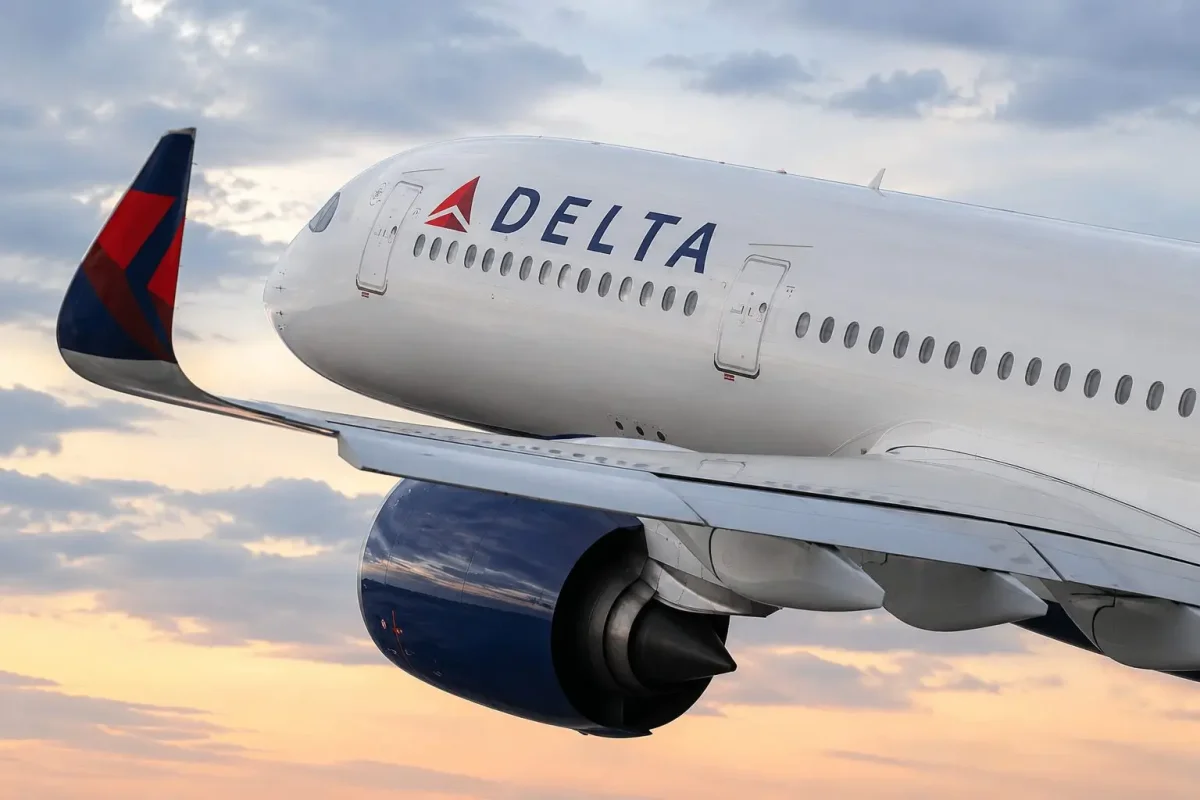
Delta Air Lines Flight DL54, scheduled to travel from Atlanta to Lagos, Nigeria, on May 9, 2026, was forced to reverse course over the Atlantic Ocean after spending nearly eight hours in the air. The aircraft, an Airbus A330-200 registered as N854NW, departed Hartsfield-Jackson Atlanta International Airport at 5:42 p.m. EDT on Saturday, reaching an altitude of 33,000 feet before heading east. Approximately three and a half hours into the flight, the crew decided to turn back, and the plane landed safely back in Atlanta at around 1:30 a.m. EDT on Sunday, May 10, after a total flight time of 7 hours and 48 minutes.
Operational Issue Remains Undisclosed
Delta cited an “operational issue” as the reason for the diversion but has not provided further details on whether the problem was mechanical, related to crew scheduling, or another logistical constraint. The airline did not specify the exact nature of the fault, leaving passengers and industry observers speculating about the cause. The disruption immediately impacted the return leg, as Delta canceled the Lagos-to-Atlanta flight DL55 scheduled for May 10, stranding many travelers at Murtala Muhammed International Airport in Lagos.
Impact on Passengers and Operations
Passengers in Lagos faced significant delays and uncertainty. An unnamed business-class traveler told local media that he booked a last-minute flight with Air France after Delta could not provide a definite timeline for rebooking. Some passengers were informed they might be rebooked on later flights, but only if seats became available. The aircraft involved in the incident remained on the ground in Atlanta for inspections before being repositioned as flight DL9894, which departed Atlanta and arrived in Lagos at 6:58 a.m. local time on May 10.
Market and Route Context
Delta’s Atlanta-Lagos route is the only nonstop service connecting these two cities, operating seven flights per week in May 2026, according to FlightConnections. This makes it a critical link for business and leisure travelers between the U.S. and Nigeria. The disruption highlights the limited options on this long-haul corridor, with United Airlines offering a competing route from Lagos to Washington, D.C. For investors, Delta Air Lines (NYSE: DAL) faces operational challenges that could affect its reputation and customer loyalty on this key international route.
Industry Reaction and Safety Protocols
Capt. Alex Nwuba, head of the Aircraft Pilots and Owners’ Association, commented on general aviation safety protocols, stating that “when something doesn’t meet the required standard, even if it is minor, the aircraft simply does not fly.” Although his remarks were not directly linked to the Delta incident, they underscore the industry’s strict safety measures. The diversion, while inconvenient, reflects a commitment to safety over schedule adherence.
Potential Implications for Delta
The operational issue could have broader implications for Delta’s operations. If the problem is minor and quickly resolved, the disruption may be limited to a few rebookings and inspections. However, if it points to a larger issue—such as maintenance, staffing, or scheduling problems—travelers on the Atlanta-Lagos route could face additional delays in the coming days. Delta has not yet provided a timeline for when normal service will resume, and the airline is likely to conduct a thorough investigation to prevent recurrence.