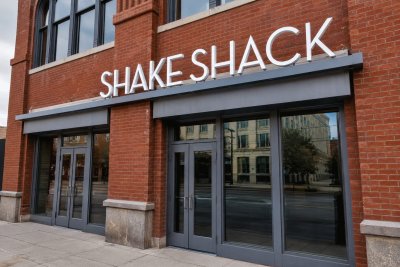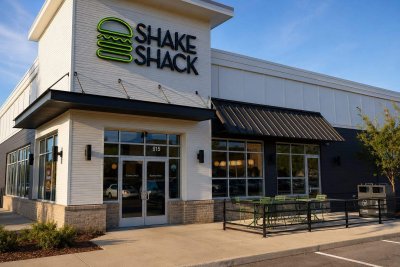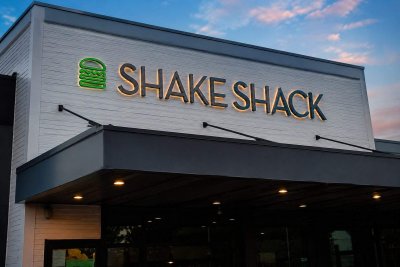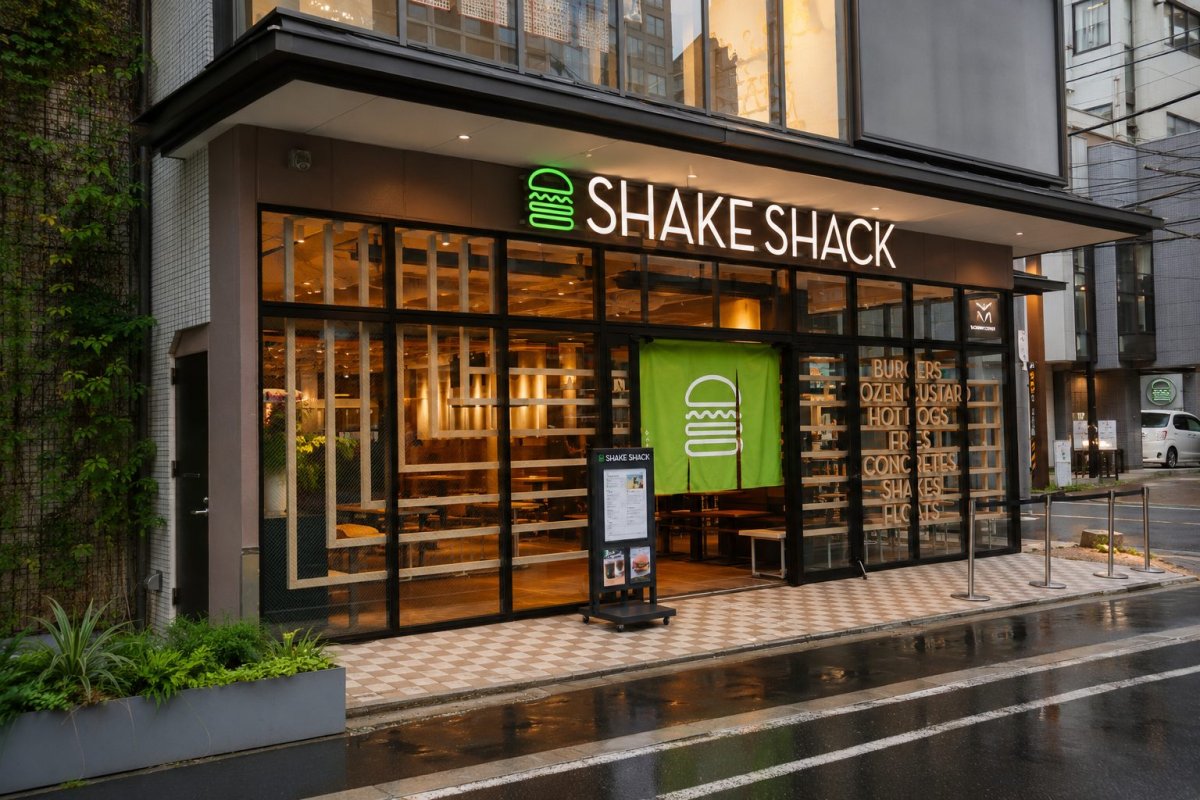
Shake Shack Inc. (NYSE: SHAK) saw its stock fall 8.0% to close at $64.50 on Monday, extending losses from the previous week after the burger chain reported a first-quarter earnings miss. The decline was exacerbated by a series of analyst downgrades and price target cuts, with UBS leading the way by lowering its target to $79 from $104 while maintaining a neutral rating.
The company posted a net loss attributable to Shake Shack of $290,000, or 1 cent per share, for the first quarter. Revenue climbed 14.3% year-over-year to $366.7 million, but operating losses of $2.6 million and a 9.3% drop in adjusted EBITDA to $37.0 million weighed heavily on investor sentiment. Same-Shack sales, a key metric for restaurants, rose 4.6% during the quarter, supported by a 1.4% increase in traffic.
Wall Street responded swiftly. JPMorgan lowered its price target to $85 from $100, holding a neutral stance. DA Davidson, Guggenheim, and Mizuho also trimmed their targets. Stifel, despite upgrading the stock to buy, reduced its target to $85 from $105. The broad-based downgrades reflect concerns about rising costs and consumer spending headwinds.
Cost pressures remain a significant challenge. Food and paper costs accounted for 28.3% of Shack sales, driven by beef prices that climbed by low double digits compared to a year ago. General and administrative expenses rose to $53.6 million, reflecting higher spending on marketing, technology, and hiring. Pre-opening costs also increased as Shake Shack accelerated its expansion, adding 17 new restaurants in the first quarter—its largest first-quarter unit growth ever.
CEO Rob Lynch acknowledged that adverse weather conditions impacted comparable sales by 240 basis points, but emphasized that underlying momentum remains strong. “Underlying sales and traffic momentum remained strong,” he said in a statement. Lynch also highlighted the company's record expansion pace and expressed confidence in its long-term growth trajectory.
Michelle Hook assumed the role of chief financial officer on Monday, succeeding the previous CFO. Hook previously held the same position at Portillo's since 2020 and brings over 17 years of experience from Domino's Pizza. Her responsibilities at Shake Shack will include accounting, treasury, financial planning, tax, investor relations, and external reporting. “Shake Shack’s disciplined approach to building a beloved brand is something I’ve long admired,” Hook said.
The broader restaurant industry is facing similar headwinds. Chipotle Mexican Grill and Restaurant Brands International have both cited higher beef costs, according to Reuters. Michael Gunther, senior vice president at Consumer Edge, noted “broader signs of consumer strain across restaurants” and highlighted that persistently high beef costs remain a key concern.
Looking ahead, Shake Shack provided second-quarter revenue guidance of $424 million to $428 million, with same-Shack sales growth expected between 3% and 5%. For the full year 2026, management projects revenue in the range of $1.6 billion to $1.7 billion and adjusted EBITDA from $230 million to $245 million. The company noted that these forecasts incorporate assumptions about consumer-spending headwinds and inflation, but exclude potential tariff shifts or other changes.
Despite the near-term challenges, Shake Shack continues to invest in growth. The chain is banking on menu innovations, such as the BBQ Boneless Baby Back Rib Sandwich, and expects the upcoming World Cup to drive more traffic in June. However, with rising beef costs and a cautious consumer environment, the path to profitability remains uncertain.