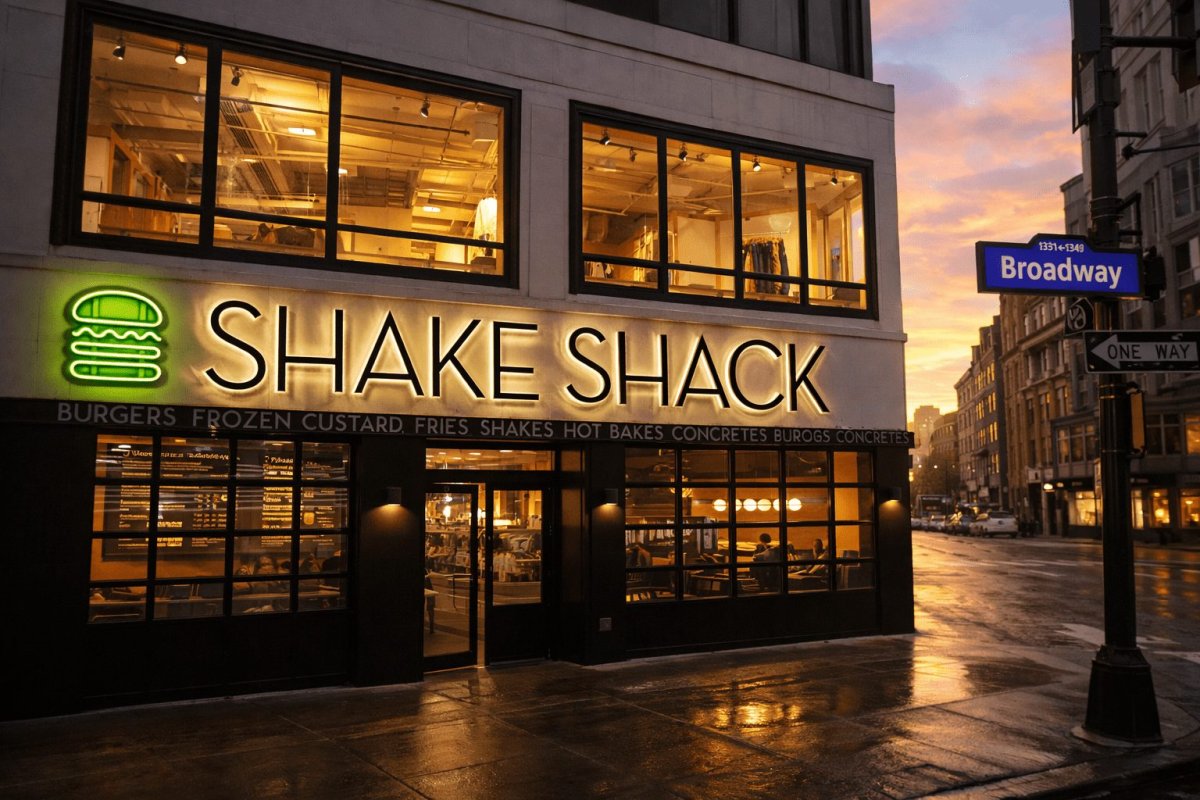
Shares of Shake Shack Inc. experienced a sharp decline in Friday's trading session, closing down 4.4% at $81.32. The drop significantly outpaced the broader S&P 500 index, which retreated 1.7% on the day. The sell-off occurred amidst a challenging macroeconomic backdrop characterized by a surge in oil prices and a notable deterioration in consumer sentiment during March, which reached its lowest point in three months. This environment has reignited investor concerns that higher energy costs could pressure discretionary consumer spending, particularly in areas like dining out.
Restaurant Sector Under Pressure
The negative sentiment was felt across the restaurant industry. Major chains like Starbucks saw its stock fall 4.8%, while Chipotle Mexican Grill declined 4.1%. Even McDonald's, often viewed as a more defensive holding within the sector, slipped approximately 1%. The widespread weakness highlights the sector's sensitivity to shifts in consumer confidence and input cost inflation.
Analyst Maintains Bullish Stance
Despite the day's poor performance, some analysts remain optimistic about Shake Shack's long-term trajectory. D.A. Davidson analyst Matt Curtis reaffirmed a Buy rating on the stock, maintaining a price target of $125. This target implies a potential upside of roughly 54% from Friday's closing price. The reaffirmation comes about a month after the company's fourth-quarter 2025 financial update and its detailed expansion plans for the coming year.
Strong Financial and Operational Momentum
In a shareholder letter released in February, Shake Shack CEO Rob Lynch characterized 2025 as a year of "strong execution and disciplined growth." He expressed confidence heading into the 2026 fiscal year. The company reported that its key metric, same-Shack sales, which tracks performance at established, company-operated locations, increased 2.1% in Q4 2025. This marked the 20th consecutive quarter of positive comparable sales growth. For the full year 2025, total revenue jumped 15.4% to $1.45 billion.
The company is pushing forward with an aggressive growth strategy. Management has reiterated plans to open between 55 and 60 new company-operated stores in 2026, alongside 40 to 45 new licensed locations. The strategy includes efforts to reduce construction costs and attract customers through targeted promotional activity. The brand's strength was recently recognized by Circana, which placed Shake Shack in its Top 50 U.S. restaurant brands ranked by consumer spending for the first time. David Portalatin, a senior vice president and food industry adviser at Circana, noted that operators demonstrating "highly adaptable and innovative" strategies are best positioned for sustained growth.
Valuation and Risk Considerations
Even after the decline, Shake Shack's valuation remains elevated compared to industry peers. As of Friday's close, the stock traded at approximately 95 times trailing earnings. This represents a significant premium to Chipotle, which trades around 34 times earnings, and McDonald's, at about 25 times earnings. This high multiple suggests investors are pricing in continued robust growth in both customer traffic and profit margins.
However, the company faces clear headwinds. Management has previously cited rising beef prices and an uncertain macroeconomic climate as ongoing risks. Friday's spike in oil prices only intensifies these pressures, as persistent inflation could lead consumers to cut back on discretionary purchases like restaurant meals. For the stock to justify its premium valuation, Shake Shack will likely need to deliver consistent, convincing evidence that its growth and margin expansion can continue unabated.
The divergence between the stock's daily price action and the bullish analyst call underscores the current tension in the market. While long-term fundamentals and expansion plans appear solid, short-term macroeconomic fears are driving volatility and overshadowing positive company-specific news. Investors will be closely watching upcoming sales data and cost metrics to gauge Shake Shack's ability to navigate this challenging environment.