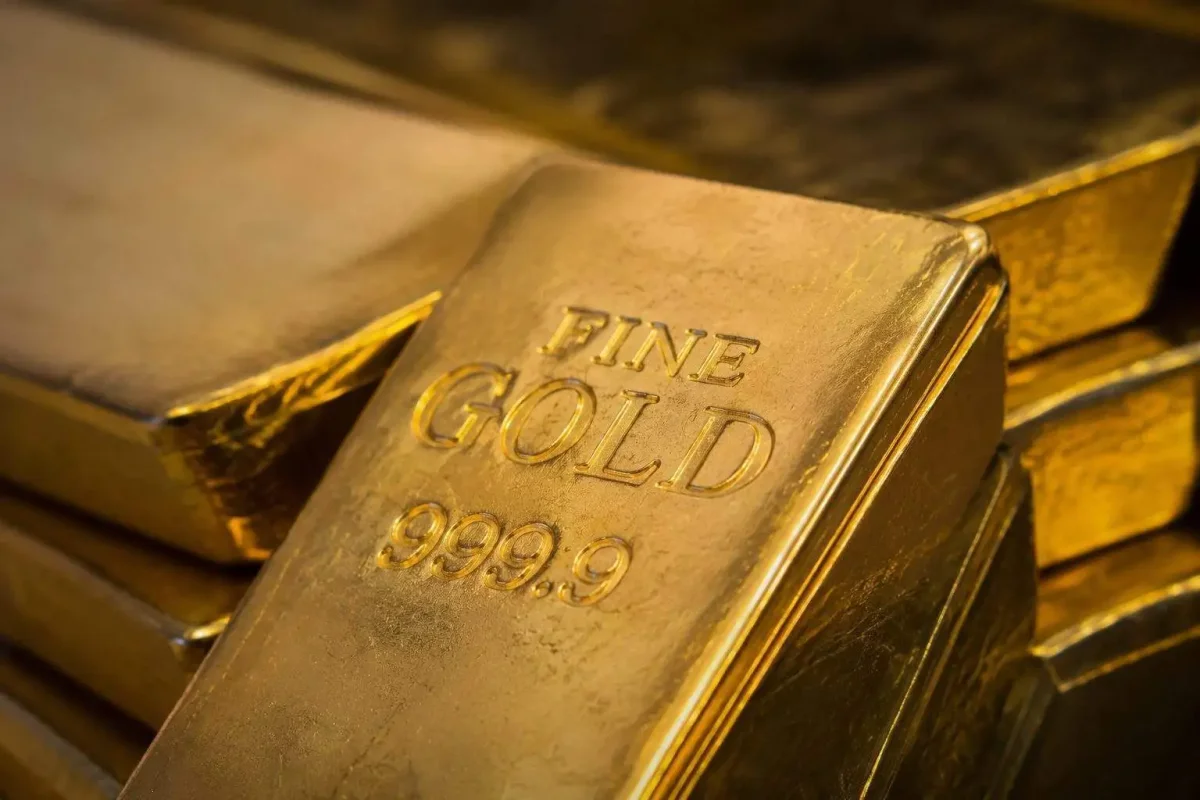
Gold prices pulled back from a three-week peak on Tuesday, easing to around $4,700 an ounce as a strengthening dollar, climbing oil prices, and a surprisingly robust U.S. inflation report curbed appetite for the precious metal. Earlier in the session, uncertainty surrounding the fragile U.S.-Iran ceasefire had provided some support, but those gains evaporated as traders recalibrated expectations for Federal Reserve policy.
Inflation Data Fuels Policy Concerns
The U.S. Consumer Price Index (CPI) rose 0.6% in April and 3.8% year-over-year, the largest annual increase since May 2023, according to the Bureau of Labor Statistics. Core CPI, which strips out volatile food and energy costs, advanced 0.4% for the month and 2.8% from a year ago. The data reinforced expectations that the Fed will maintain its current interest rate stance, with overnight rates held steady at 3.50%-3.75% after last month's meeting. Traders now see no rate cuts through 2027.
Broader Market Impact
The stronger dollar and higher bond yields pressured gold, which offers no yield. The yield on the 10-year Treasury note climbed, supported by rising energy costs. Brent crude oil surged nearly 4%, hovering just below $108 per barrel as the likelihood of resumed shipping through the Strait of Hormuz diminished. This shift rattled equity markets, boosted the greenback, and pushed Treasury yields higher.
Other precious metals also declined. Spot silver fell 3% to $83.50 an ounce, platinum dropped 2.7% to $2,077.44, and palladium lost 1.9% to $1,479.91.
Geopolitical and Demand Factors
President Donald Trump described the U.S.-Iran ceasefire as being on "life support" after Tehran rejected a U.S. peace offer. The standoff continues to keep energy markets on edge. Analysts at ING noted that the deadlock in peace talks is keeping inflation fears alive and reinforcing the narrative that interest rates may stay elevated, which remains a headwind for gold.
Long-term demand fundamentals remain intact. The World Gold Council reported that total gold demand in the first quarter, including over-the-counter trades, reached 1,231 tonnes, up 2% from a year ago. The value of that demand surged 74% to a record $193 billion. Central banks added a net 244 tonnes during the quarter, underscoring continued official sector buying.
Outlook and Key Levels
Ole Hansen, head of commodity strategy at Saxo Bank, attributed gold's decline to "rising energy prices once again lifting U.S. bond yields" and a stronger dollar, which makes dollar-priced commodities more expensive for foreign buyers. He identified support just above $4,500 and resistance near the 50-day moving average at around $4,757.
Near-term risks are two-sided. Progress in U.S.-Iran talks could ease oil prices and reduce safe-haven demand for gold. Conversely, a prolonged disruption in the Strait of Hormuz could keep inflation and yields elevated, continuing to pressure bullion. President Trump is set to travel to China for a two-day visit starting Wednesday, with a meeting scheduled with President Xi Jinping. The Middle East situation is expected to be on the agenda, though market participants remain skeptical of major breakthroughs.