RBOB gasoline futures surged approximately 2% in early Tuesday trading, reaching $3.67 per gallon, as renewed geopolitical tensions in the Strait of Hormuz offset discussions of potential federal gasoline tax relief. The move was part of a broader energy complex rally, with crude oil and heating oil also posting gains.
Supply Disruptions Drive Rally
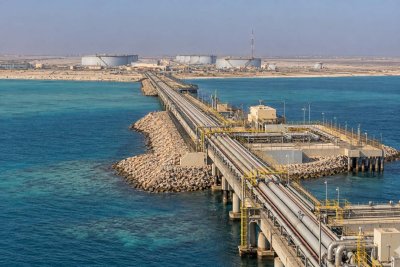
The price spike followed the collapse of U.S.-Iran negotiations, which had raised hopes for a diplomatic resolution. The Strait of Hormuz, a critical chokepoint for roughly 20% of global oil and LNG traffic, remains under significant strain. Any disruption there directly impacts gasoline prices, as crude oil is the primary input cost for refiners.
According to the latest Energy Information Administration (EIA) data, U.S. gasoline inventories fell by 2.5 million barrels, now standing 4% below the five-year average. Production has also slipped, adding to supply concerns. Meanwhile, motor gasoline product supplied, a proxy for demand, averaged 9.0 million barrels per day over the last four weeks, a 1.0% increase year-over-year.
Pump Prices Remain Elevated
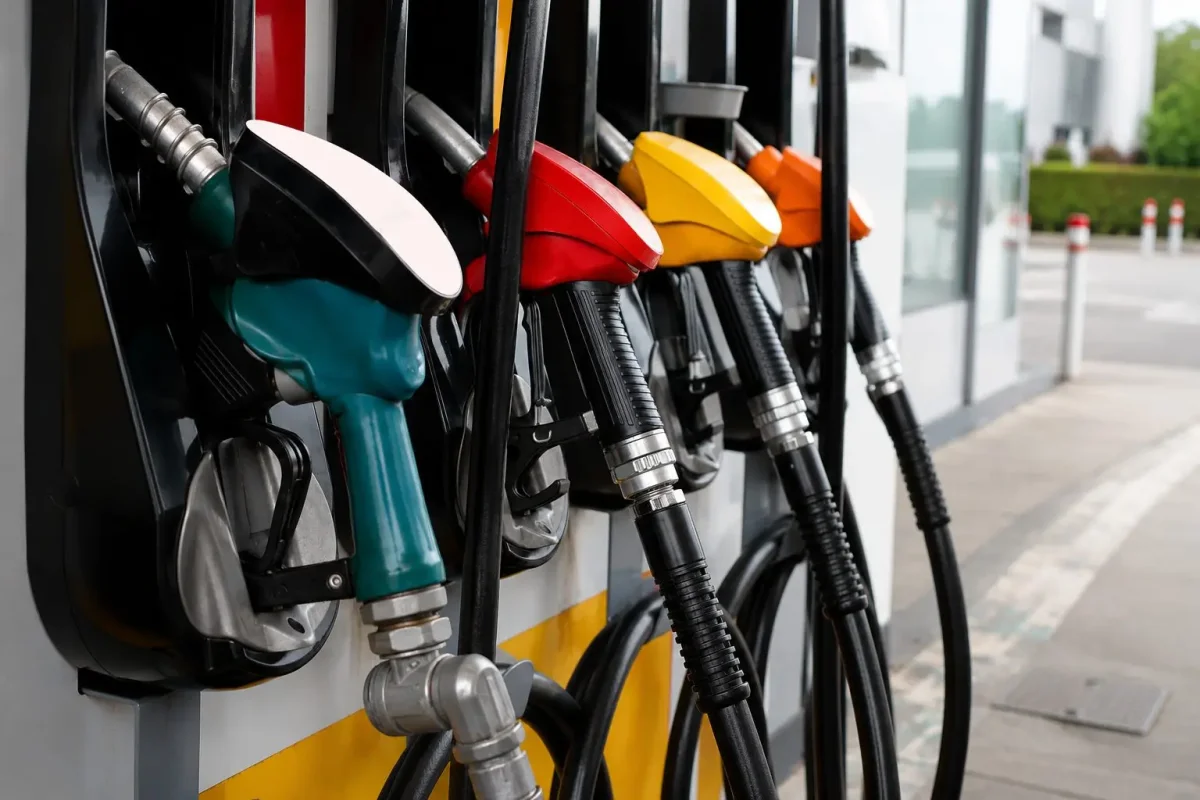
AAA reported the national average pump price at $4.504 per gallon on May 12, down slightly from $4.520 the previous day but still well above $4.125 a month ago and $3.137 a year ago. While a small daily decline offers some relief, the broader trend remains upward.
President Donald Trump announced plans to push for a suspension of the federal gasoline tax, which stands at 18.4 cents per gallon. However, only Congress can authorize such a move, and even if enacted, it would only partially offset the current war premium.
Market Outlook
Bulls argue that gasoline is not yet priced for a prolonged supply squeeze. Morgan Stanley forecasts U.S. gasoline inventories could drop to about 198 million barrels by late August, potentially the lowest for that period in modern history. July gasoline crack spreads are already near $35 a barrel, indicating strong refining margins.
Bears, however, point to demand sensitivity above $4.50 per gallon, where drivers tend to cut back on travel. A diplomatic breakthrough could also send crude prices tumbling by $8-$12 per barrel, according to Tim Waterer of KCM Trade, which would quickly drag RBOB lower.
Prediction markets reflect a slow resolution. Kalshi pegs the probability of normal Strait of Hormuz traffic returning at 45% before July 1, rising to 62% by September. Polymarket shows similar odds, at 34% for a full recovery by end-June.
For now, gasoline prices remain caught between tight supply and tempered demand. Traders will watch for the next EIA release, any diplomatic shift, or unexpected import strength to break the current impasse.